






 บ้าน
บ้าน ผลิตภัณฑ์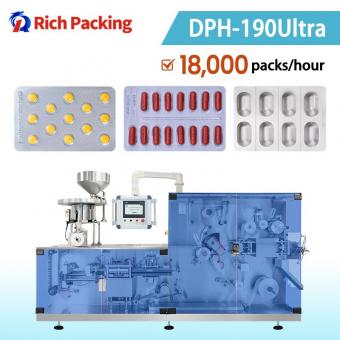
29+ years in pharmaceutical machinery, covering capsule filling, tablet pressing, blister packaging, tablet and capsule counting, cartoning, GMP production, and overseas machine service.

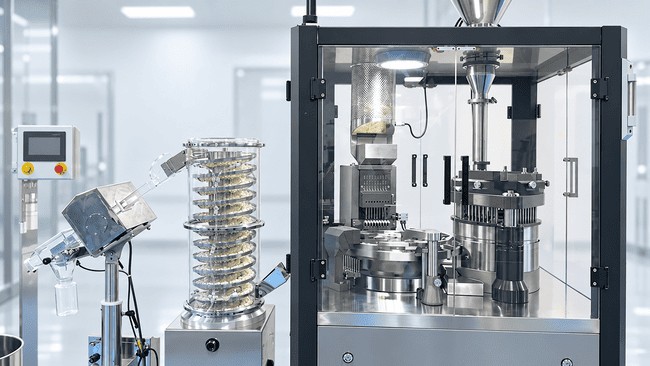
การวางแผนสายการผลิตบรรจุแคปซูลแบบครบวงจรนั้นมีอะไรมากกว่าแค่การเลือกเครื่องจักรเพียงเครื่องเดียว สายการผลิตทั้งหมดถูกสร้างขึ้นโดยมี เครื่องบรรจุแคปซูล เป็นอุปกรณ์ชิ้นหลัก ระบบที่ใช้งานได้จริงควรป้อนวัตถุดิบอย่างสม่ำเสมอ แยกและบรรจุแคปซูลเปล่าได้อย่างแม่นยำ ปิดแคปซูลได้อย่างน่าเชื่อถือ ทำความสะอาดและตรวจสอบแคปซูลที่เสร็จสมบูรณ์ จากนั้นจึงส่งต่อไปยังกระบวนการบรรจุภัณฑ์ที่ต้องการ
ในโครงการส่วนใหญ่ อุปกรณ์ที่ทำงานร่วมกับเครื่องบรรจุอย่างใกล้ชิดที่สุด ได้แก่ เครื่องป้อนแคปซูลเปล่า เครื่องป้อนแบบสุญญากาศ และ เครื่องขัดและคัดแยกแคปซูล และเมื่อข้อกำหนดด้านการควบคุมคุณภาพระบุไว้ ก็อาจรวมถึงเครื่องตรวจจับโลหะด้วย อุปกรณ์ต้นทาง เช่น เครื่องผสมหรือเครื่องทำแกรนูล และอุปกรณ์ปลายทาง เช่น เครื่องบรรจุแผงบลิสเตอร์ หรือสายการนับและบรรจุขวด อาจถูกเพิ่มเข้ามาได้เช่นกัน แต่ความจำเป็นขึ้นอยู่กับสูตรและรูปแบบบรรจุภัณฑ์ขั้นสุดท้าย
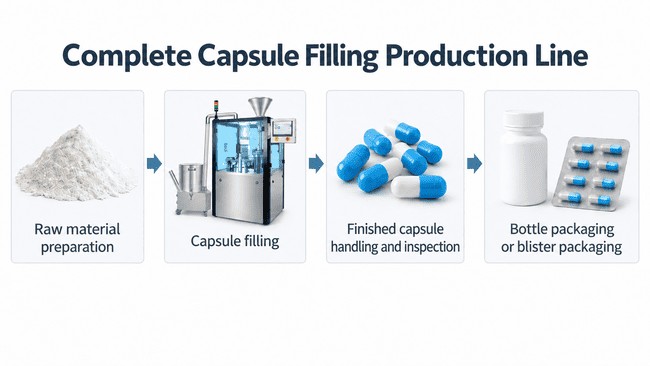
สายการผลิตแคปซูลแบบครบวงจรเป็นระบบการผลิตที่ประสานงานกันมากกว่าจะเป็นชุดเครื่องจักรที่ตายตัว กระบวนการมักจะเริ่มต้นด้วยผง แกรนูล หรือเม็ดที่เตรียมไว้ ดำเนินต่อไปผ่านการบรรจุแคปซูลและการจัดการหลังการบรรจุ และสิ้นสุดที่รูปแบบบรรจุภัณฑ์ที่เลือก สูตรบางอย่างอาจต้องมีการผสม การทำแกรนูล หรือการทำให้แห้งก่อนบรรจุ ในขณะที่สูตรอื่นอาจเคลื่อนย้ายจากวัตถุดิบที่เตรียมไว้ไปยัง เครื่องบรรจุแคปซูลโดยตรง
สำหรับสายการผลิตอัตโนมัติส่วนใหญ่ ลำดับการผลิตที่สำคัญคือ: การป้อนแคปซูลเปล่า + การป้อนวัสดุบรรจุ → การบรรจุแคปซูล → การขัดและคัดแยกแคปซูล → การตรวจจับโลหะ (อุปกรณ์เสริม) → บรรจุภัณฑ์ขั้นสุดท้าย การเตรียมวัตถุดิบต้นทางสามารถเพิ่มเข้ามาได้เมื่อสูตรต้องการ
|
ขั้นตอนกระบวนการ |
อุปกรณ์หลัก |
บทบาทในสายการผลิต |
เมื่อใดที่จำเป็น |
|
การเตรียมวัตถุดิบ |
เครื่องผสม / เครื่องทำแกรนูล / เครื่องอบแห้ง |
เตรียมสูตรและปรับปรุงความสม่ำเสมอหรือความสามารถในการไหลเมื่อจำเป็น |
ทางเลือก — ขึ้นอยู่กับสูตร |
|
การป้อนแคปซูลเปล่า |
เครื่องป้อนแคปซูลเปล่า |
ถ่ายโอนแคปซูลเปล่าชนิดแข็งไปยังถังพักของเครื่องบรรจุและรักษาการจ่ายแคปซูลให้คงที่ |
แนะนำสำหรับการผลิตอัตโนมัติ |
|
การป้อนวัสดุบรรจุ |
เครื่องป้อนแบบสุญญากาศ |
ถ่ายโอนผงหรือแกรนูลไปยังถังพักวัสดุและช่วยรักษาการป้อนให้คงที่ |
แนะนำสำหรับการผลิตอัตโนมัติ |
|
การบรรจุแคปซูล |
เครื่องบรรจุแคปซูล |
จัดเรียงและแยกแคปซูลเปล่า ตวงวัสดุ ปิดแคปซูล และปล่อยผลิตภัณฑ์สำเร็จรูป |
อุปกรณ์หลัก |
|
การทำความสะอาดหลังการบรรจุ |
เครื่องขัดและคัดแยกแคปซูล |
กำจัดผงที่ตกค้างและคัดแยกแคปซูลที่ผิดปกติออกก่อนบรรจุภัณฑ์ |
แนะนำเป็นอย่างยิ่ง |
|
การควบคุมคุณภาพ |
เครื่องตรวจจับโลหะ |
เพิ่มจุดตรวจสอบปลายทางสำหรับการปนเปื้อนของโลหะเมื่อจำเป็น |
ทางเลือก |
|
บรรจุภัณฑ์แบบขวด |
สายการนับและบรรจุขวด |
นับแคปซูลลงขวด ตามด้วยการปิดฝา การซีล และการติดฉลาก |
ตัวเลือกเสริม — ขึ้นอยู่กับบรรจุภัณฑ์ขั้นสุดท้าย |
|
บรรจุภัณฑ์แบบแผง |
เครื่องบรรจุแผง |
บรรจุแคปซูลลงในช่องแผงแยกชิ้นสำหรับรูปแบบการจ่ายยาแบบหน่วย |
ตัวเลือกเสริม — ขึ้นอยู่กับบรรจุภัณฑ์ขั้นสุดท้าย |
กระบวนการหลักคือ การป้อนแคปซูลเปล่า + การป้อนวัสดุบรรจุ → การบรรจุ → การขัดเงา/คัดแยก → การตรวจสอบ (ตัวเลือกเสริม) → บรรจุภัณฑ์ขั้นสุดท้าย; การเตรียมการต้นทางและบรรจุภัณฑ์ปลายทางจะแตกต่างกันไปตามผลิตภัณฑ์
เครื่องบรรจุแคปซูลเป็นตัวกำหนดกำลังการผลิตพื้นฐาน ความสม่ำเสมอในการบรรจุ และระดับความเป็นอัตโนมัติของสายการผลิต เครื่องจักรที่เชื่อถือได้จะต้องดำเนินการหลายขั้นตอนอย่างต่อเนื่องและตามลำดับที่ถูกต้อง: จัดเรียงแคปซูลเปล่า แยกฝาและตัวแคปซูล ตวงวัสดุบรรจุ ปิดแคปซูล และปล่อยผลิตภัณฑ์สำเร็จรูปเพื่อดำเนินการในขั้นตอนถัดไป
สำหรับการผลิตทางเภสัชกรรมและโภชนเภสัชเชิงพาณิชย์ การเลือกเครื่องบรรจุแคปซูลไม่ควรพิจารณาจากความเร็วสูงสุดเพียงอย่างเดียว การทำงานที่เสถียร ความสม่ำเสมอในการตวง ความน่าเชื่อถือในการแยกแคปซูล ความสะดวกในการเปลี่ยนขนาด การทำความสะอาดที่ง่าย และการออกแบบที่สอดคล้องกับมาตรฐานมีความสำคัญไม่แพ้กัน เนื่องจากปัจจัยเหล่านี้ส่งผลโดยตรงต่อผลผลิตรายวันจริงและประสิทธิภาพของสายการผลิตในระยะยาว
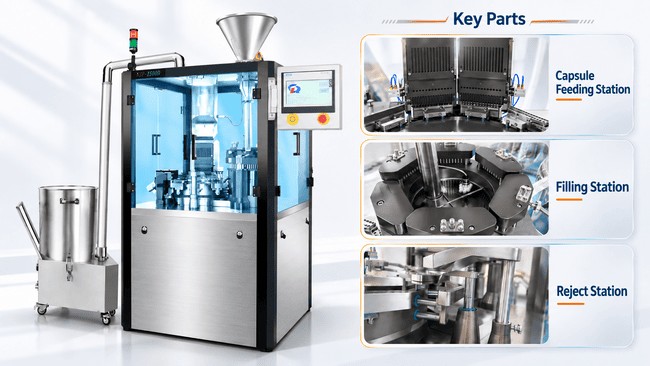 เครื่องบรรจุแคปซูลอัตโนมัติและสถานีทำงานหลัก
แคปซูลเปล่าจะถูกป้อนและจัดเรียงเข้าสู่เครื่องก่อน จากนั้นฝาและตัวแคปซูลจะถูกแยกออกจากกัน หลังจากนั้นระบบตวงจะบรรจุวัสดุในปริมาณที่ต้องการลงในตัวแคปซูล ฝาจะถูกนำมาประกอบเข้ากับตัวแคปซูลอีกครั้ง แคปซูลจะถูกล็อค และแคปซูลสำเร็จรูปจะถูกปล่อยออกมาเพื่อนำไปขัดเงา ตรวจสอบ หรือบรรจุภัณฑ์
วัสดุบรรจุที่พบบ่อยที่สุดคือผง แต่ขึ้นอยู่กับเครื่องจักรและระบบตวง แคปซูลยังสามารถบรรจุด้วยเม็ดแกรนูล เพลเลท และผลิตภัณฑ์ผสมบางชนิดได้ ดังนั้นควรเลือกการกำหนดค่าการตวงที่ถูกต้องตามสูตรจริงแทนที่จะพิจารณาจากขนาดแคปซูลเพียงอย่างเดียว
เครื่องบรรจุแคปซูลชนิดแข็งอัตโนมัติมักสามารถกำหนดค่าสำหรับ ขนาดแคปซูลทั่วไปตั้งแต่ #000 ถึง #5 ขึ้นอยู่กับรุ่นของเครื่องบรรจุแคปซูลและอุปกรณ์เสริม เมื่อเปลี่ยนขนาดแคปซูล จะต้องเปลี่ยนและปรับแม่พิมพ์และชิ้นส่วนที่เกี่ยวข้องด้วย
คุณสมบัติของวัสดุมีความสำคัญพอๆ กับขนาดแคปซูล ความสามารถในการไหล ความหนาแน่นรวม ขนาดอนุภาค และแนวโน้มในการแยกตัวล้วนส่งผลต่อความเสถียรในการตวง หากผงไหลได้ไม่ดี วิธีแก้ไขอาจเกี่ยวข้องกับการปรับสูตร การประมวลผลต้นทาง หรือการใช้การกำหนดค่าการตวงที่แตกต่างกัน แทนที่จะเพียงแค่ลดความเร็วของเครื่องบรรจุ
ต้องยืนยันวัสดุเปลือกแคปซูลด้วยเมื่อเลือกและตั้งค่าเครื่องบรรจุแคปซูล แคปซูลเจลาตินและแคปซูลจากพืช เช่น แคปซูล HPMC อาจมีพฤติกรรมที่แตกต่างกันในระหว่างการแยกฝาและตัวแคปซูล ดังนั้นระบบสุญญากาศอาจต้องมีการตั้งค่าแรงดันลบที่แตกต่างกันตามวัสดุแคปซูล คุณภาพของเปลือก และสภาพการทำงานจริง หากแคปซูลมีขนาดไม่ได้มาตรฐานหรือมีขนาดพิเศษ โครงการไม่จำเป็นต้องใช้เครื่องจักรที่แตกต่างกันเสมอไป: สามารถออกแบบแม่พิมพ์บรรจุแคปซูลและชิ้นส่วนที่ปรับแต่งได้จากตัวอย่างหรือแบบที่ได้รับการยืนยัน
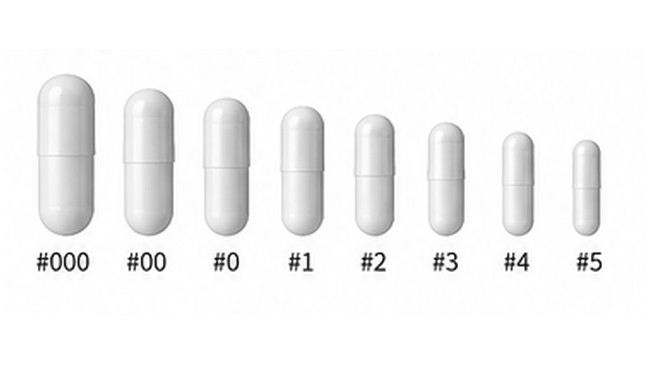 ขนาดแคปซูลชนิดแข็งทั่วไป ความเข้ากันได้จริงขึ้นอยู่กับรุ่นของเครื่องจักรและอุปกรณ์เสริม
กำลังการผลิตควรเป็นหนึ่งในปัจจัยแรกที่ต้องกำหนด ซีรีส์เครื่องบรรจุแคปซูลอัตโนมัติ NJP ของ Rich Packing มีตั้งแต่รุ่น NJP-200C ถึง NJP-7600D ในชื่อรุ่น ตัวเลขแสดงถึงจำนวนแคปซูลที่เครื่องสามารถทำได้ต่อนาทีภายใต้สภาวะการทดสอบแบบไม่มีผง/โหลดเปล่า ผลผลิตจริงขึ้นอยู่กับคุณภาพของแคปซูล วัสดุบรรจุ การตั้งค่าการตวง และสภาพการทำงาน โครงการที่มีผลผลิตต่ำกว่าสามารถใช้อุปกรณ์บรรจุแคปซูลกึ่งอัตโนมัติได้ แต่กำลังการผลิตเพียงอย่างเดียวไม่ควรเป็นปัจจัยเดียวในการเปรียบเทียบระหว่างเครื่องกึ่งอัตโนมัติและเครื่องอัตโนมัติเต็มรูปแบบ
ในการผลิตจริง ผลผลิตที่ใช้งานได้ขึ้นอยู่กับมากกว่าความเร็วที่กำหนด คุณภาพของแคปซูล การไหลของวัสดุ ความเสถียรในการตวง การตั้งค่าของผู้ปฏิบัติงาน และการจับคู่เครื่องจักรปลายทางล้วนส่งผลต่อประสิทธิภาพของสายการผลิต เครื่องจักรที่เหมาะสมควรบรรลุผลผลิตตามเป้าหมายด้วยการแยกและปิดแคปซูลที่เสถียร น้ำหนักการบรรจุที่สม่ำเสมอ และอัตราของเสียต่ำ
เครื่องบรรจุแคปซูลกึ่งอัตโนมัติ เหมาะสำหรับชุดการผลิตขนาดเล็ก การผลิตนำร่อง และโครงการที่มีการลงทุนเริ่มต้นต่ำกว่า เครื่องจักรเหล่านี้ต้องการการมีส่วนร่วมของผู้ปฏิบัติงานมากขึ้นในระหว่างการโหลด การบรรจุ และการปิดแคปซูล และความต้องการพนักงานอาจสูงขึ้นขึ้นอยู่กับขั้นตอนการทำงาน
เครื่องจักรแบบอัตโนมัติเต็มรูปแบบไม่ใช่เพียงตัวเลือกที่มีความเร็วสูงกว่าเท่านั้น Rich Packing ยังนำเสนอรุ่น NJP ที่มีความเร็วต่ำกว่า เช่น NJP-200C และ NJP-400C ดังนั้นข้อได้เปรียบของเครื่องจักรเหล่านี้จึงยังคงชัดเจนแม้ว่ากำลังการผลิตเป้าหมายจะทับซ้อนกับรุ่นกึ่งอัตโนมัติ การทำงานอัตโนมัติช่วยลดการแทรกแซงด้วยตนเองอย่างต่อเนื่องและภาระในการฝึกอบรมผู้ปฏิบัติงาน ช่วยลดความต้องการแรงงาน ให้การควบคุมรอบการทำงานที่สม่ำเสมอยิ่งขึ้น และง่ายต่อการรวมเข้ากับเครื่องป้อนสุญญากาศ เครื่องขัดเงาและคัดแยกแคปซูล เครื่องตรวจจับโลหะ และอุปกรณ์บรรจุภัณฑ์ปลายทาง การออกแบบที่ปิดสนิท เป็นมาตรฐาน และทำความสะอาดง่ายยังเหมาะสำหรับโรงงานยาที่มุ่งสู่ข้อกำหนดการผลิต cGMP สำหรับโรงงานที่คาดหวังการเติบโตในอนาคต สายการผลิตแบบอัตโนมัติเต็มรูปแบบให้พื้นที่มากขึ้นสำหรับการดำเนินงานที่เป็นมาตรฐานและการรวมสายการผลิตในภายหลัง
เครื่องบรรจุแคปซูลสามารถทำงานได้ด้วยตัวเอง แต่โดยทั่วไปมักใช้เครื่องจักรเสริมหลายชนิดควบคู่กันเพื่อให้การผลิตสะอาดขึ้น มีเสถียรภาพมากขึ้น และง่ายต่อการทำให้เป็นระบบอัตโนมัติ สำหรับโครงการอัตโนมัติ อุปกรณ์โหลดแคปซูลเปล่าและเครื่องป้อนแบบสุญญากาศจะจัดการงานป้อนที่แตกต่างกันสองอย่าง: อย่างหนึ่งจ่ายเปลือกแคปซูลเปล่า ในขณะที่อีกอย่างหนึ่งลำเลียงผงหรือเม็ด หลังจากบรรจุแล้ว เครื่องขัดเงาและคัดแยกแคปซูล รวมถึงเครื่องตรวจจับโลหะที่เป็นอุปกรณ์เสริม จะช่วยสนับสนุนการทำความสะอาดและการควบคุมคุณภาพในขั้นตอนถัดไป
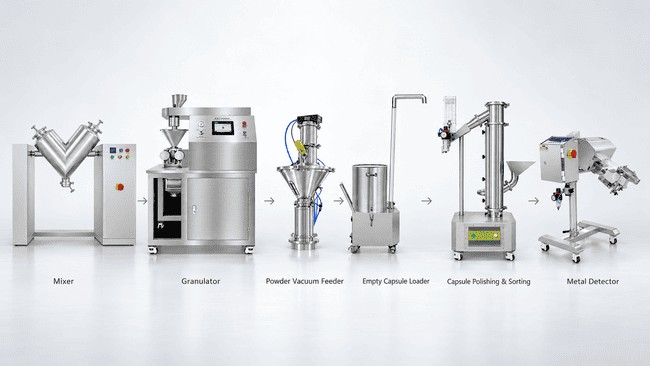 ตัวอย่างของเครื่องจักรเสริมที่ใช้ร่วมกับเครื่องบรรจุแคปซูลอัตโนมัติ
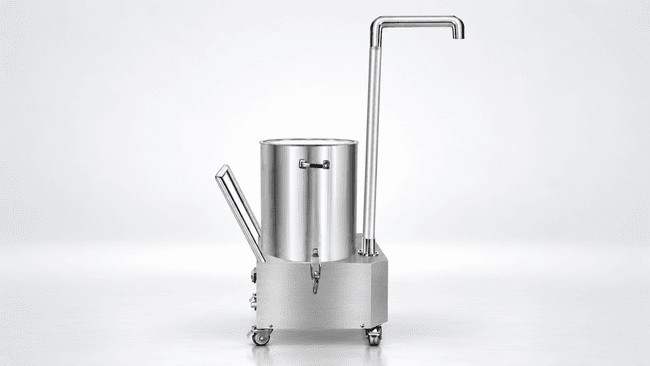
อุปกรณ์โหลดแคปซูลเปล่าจะลำเลียงแคปซูลแข็งเปล่าเข้าสู่ถังพักของเครื่องบรรจุโดยอัตโนมัติ ซึ่งช่วยลดการโหลดด้วยมือซ้ำๆ และช่วยรักษาปริมาณแคปซูลให้คงที่ระหว่างการผลิตต่อเนื่อง
สำหรับสายการผลิตอัตโนมัติความเร็วสูง การป้อนแคปซูลอัตโนมัติสามารถลดการแทรกแซงของผู้ปฏิบัติงานและปรับปรุงความต่อเนื่องในการผลิต อุปกรณ์โหลดควรจับคู่กับขนาดแคปซูล วัสดุเปลือกแคปซูล และความเร็วในการผลิตที่ต้องการ โดยมีวัตถุประสงค์ที่แตกต่างจากเครื่องป้อนแบบสุญญากาศ ซึ่งจัดการกับวัสดุที่ใช้บรรจุแทนที่จะเป็นเปลือกแคปซูลเปล่า
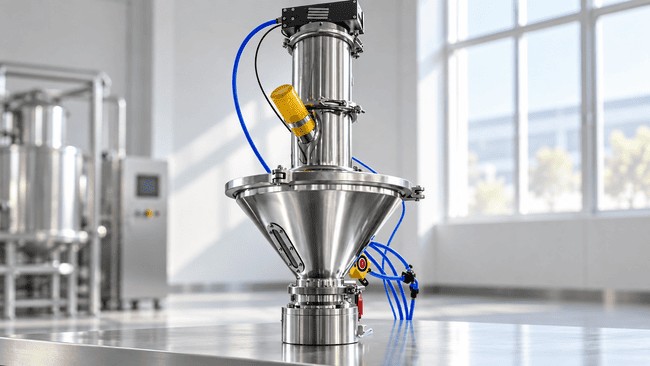
เครื่องป้อนแบบสุญญากาศจะลำเลียงผงหรือเม็ดจากภาชนะบรรจุวัสดุไปยังถังพักของเครื่องบรรจุแคปซูลโดยอัตโนมัติ ซึ่งมีประโยชน์อย่างยิ่งในสายการผลิตอัตโนมัติเนื่องจากช่วยลดการโหลดด้วยมือซ้ำๆ จำกัดการฟุ้งกระจายของฝุ่น และช่วยรักษาระดับวัสดุในถังพักให้คงที่มากขึ้น
เครื่องป้อนแบบสุญญากาศไม่จำเป็นสำหรับเครื่องบรรจุแคปซูลทุกเครื่อง แต่จะมีประโยชน์มากขึ้นเรื่อยๆ เมื่อกำลังการผลิตและระดับความเป็นอัตโนมัติเพิ่มขึ้น สำหรับการผลิตต่อเนื่อง ถือเป็นหนึ่งในเครื่องจักรสนับสนุนที่ใช้งานได้จริงที่สุดที่ควรพิจารณา
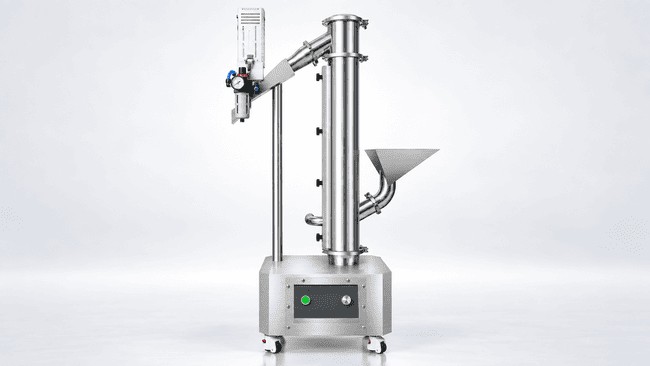
หลังจากการบรรจุ ผงละเอียดอาจยังคงติดอยู่ภายนอกแคปซูล เครื่องขัดเงาแคปซูลจะขจัดคราบตกค้างนี้และปรับปรุงความสะอาดและรูปลักษณ์ของผลิตภัณฑ์สำเร็จรูปก่อนการตรวจสอบหรือบรรจุภัณฑ์
ฟังก์ชันการคัดแยกสามารถขจัดแคปซูลที่ว่างเปล่า แตกหัก หลวม เสียหาย หรือผิดปกติอื่นๆ ออกไปได้เพิ่มเติม ขึ้นอยู่กับการออกแบบอุปกรณ์ เนื่องจากกระบวนการขัดเงาและคัดแยกเกิดขึ้นทันทีหลังจากการบรรจุ เครื่องจักรนี้จึงเป็นหนึ่งในพันธมิตรในขั้นตอนถัดไปที่มีประโยชน์โดยตรงที่สุดสำหรับเครื่องบรรจุแคปซูลอัตโนมัติ และสามารถเชื่อมต่อในสายการผลิตเพื่อการผลิตต่อเนื่องได้
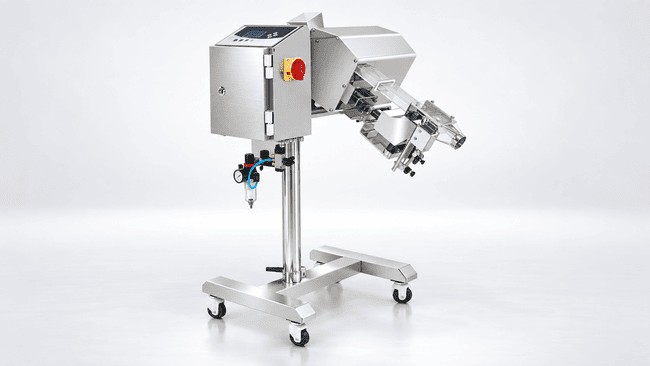
เครื่อง ตรวจจับโลหะ ไม่ใช่ส่วนประกอบที่จำเป็นของสายการผลิตแคปซูลทุกสาย และไม่ใช่ส่วนหนึ่งของกระบวนการบรรจุแคปซูลโดยตรง อย่างไรก็ตาม เครื่องนี้สามารถเป็นจุดตรวจสอบคุณภาพในขั้นตอนถัดไปที่สำคัญ โดยเฉพาะอย่างยิ่งเมื่อผู้ผลิต ลูกค้า หรือตลาดเป้าหมายต้องการการควบคุมการปนเปื้อนของโลหะเพิ่มเติม
โดยปกติเครื่องตรวจจับจะถูกวางไว้หลังจากการขัดเงาหรือตรวจสอบแคปซูล และก่อนการบรรจุขั้นสุดท้าย ขึ้นอยู่กับรุ่นและสภาวะของผลิตภัณฑ์ เครื่องสามารถใช้ตรวจจับการปนเปื้อนของโลหะกลุ่มเหล็ก โลหะนอกกลุ่มเหล็ก และเหล็กกล้าไร้สนิมในแคปซูลสำเร็จรูปได้ การตัดสินใจว่าจะรวมเครื่องนี้ไว้หรือไม่นั้นขึ้นอยู่กับระบบคุณภาพ การประเมินความเสี่ยง และความต้องการของตลาดของโรงงาน ดังนั้นจึงควรพิจารณาว่าเป็นอุปกรณ์เสริมที่แนะนำมากกว่าจะเป็นสิ่งที่จำเป็นสำหรับทุกกรณี
สามารถเพิ่มเครื่องจักรอื่นๆ ได้เมื่อผลิตภัณฑ์หรือบรรจุภัณฑ์ขั้นสุดท้ายต้องการ แต่ไม่จำเป็นต้องเป็นส่วนหลักของการกำหนดค่าสายการผลิตแคปซูล ก่อนการบรรจุ อาจใช้เครื่องผสมเพื่อปรับปรุงความสม่ำเสมอของส่วนผสม ในขณะที่การทำแกรนูลและการทำให้แห้งอาจจำเป็นสำหรับสูตรที่มีปัญหาการไหลตัวไม่ดีหรือการแยกตัว อย่างไรก็ตาม ผลิตภัณฑ์จำนวนมากสามารถบรรจุได้หลังจากผ่านการร่อนและผสมที่เหมาะสมโดยไม่ต้องทำแกรนูล
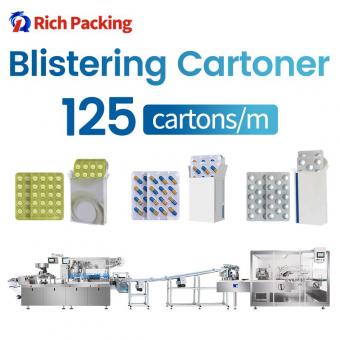
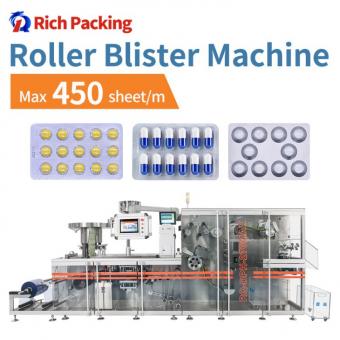
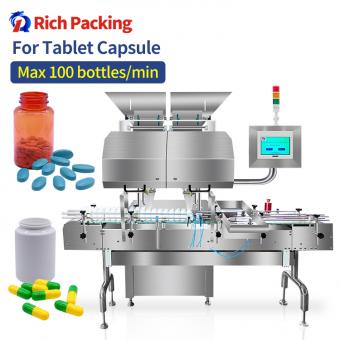
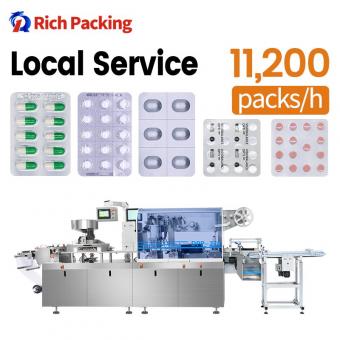
หลังจากการขัดเงาและตรวจสอบ แคปซูลสำเร็จรูปสามารถเข้าสู่กระบวนการบรรจุขวดหรือบรรจุแผง โครงการบรรจุขวดอาจใช้ เครื่องนับจำนวน ตามด้วยการปิดฝา การซีล และการติดฉลาก ในขณะที่ผลิตภัณฑ์แบบหน่วยโดสสามารถบรรจุบน เครื่องบรรจุแผง. ระบบในขั้นตอนถัดไปเหล่านี้ควรได้รับการคัดเลือกตามบรรจุภัณฑ์ขั้นสุดท้าย แทนที่จะถือว่าเป็นส่วนประกอบบังคับของสายการผลิตแคปซูลทุกสาย
สำหรับโครงการอัตโนมัติหลายโครงการ การกำหนดค่าหลักที่ใช้งานได้จริงคือ: อุปกรณ์โหลดแคปซูลเปล่า + เครื่องป้อนแบบสุญญากาศ → เครื่องบรรจุแคปซูลอัตโนมัติ → เครื่องขัดเงาและคัดแยกแคปซูล → เครื่องตรวจจับโลหะ (อุปกรณ์เสริม) อุปกรณ์ป้อนทั้งสองชนิดทำหน้าที่แยกส่วนกัน: อุปกรณ์โหลดแคปซูลเปล่าจ่ายเปลือกแคปซูล ในขณะที่เครื่องป้อนแบบสุญญากาศจ่ายผงหรือเม็ด เมื่อรวมกับอุปกรณ์ในขั้นตอนถัดไป การตั้งค่านี้จะช่วยสนับสนุนการป้อน การบรรจุ การทำความสะอาด และการควบคุมคุณภาพที่เสถียร
อุปกรณ์ผสมหรืออุปกรณ์ทำแกรนูลสามารถเพิ่มในขั้นตอนก่อนหน้าได้เฉพาะเมื่อสูตรต้องการเท่านั้น ในขณะที่การนับจำนวนและการบรรจุขวดหรือการบรรจุแผงสามารถเพิ่มในขั้นตอนถัดไปตามบรรจุภัณฑ์ขั้นสุดท้าย แนวทางแบบโมดูลาร์นี้ช่วยหลีกเลี่ยงอุปกรณ์ที่ไม่จำเป็นในขณะที่ยังคงทำให้สายการผลิตขยายตัวได้ง่ายเมื่อการผลิตเติบโตขึ้น
เครื่องบรรจุแคปซูลควรเป็นจุดเริ่มต้นในการออกแบบสายการผลิตแคปซูลที่สมบูรณ์ เมื่อเลือกรุ่นที่ถูกต้องตามขนาดแคปซูล วัสดุเปลือกแคปซูล สูตร และผลผลิตแล้ว เครื่องจักรสนับสนุนที่มีประโยชน์ที่สุดสามารถเพิ่มเข้ามาได้ สำหรับการผลิตอัตโนมัติ อุปกรณ์โหลดแคปซูลเปล่า เครื่องป้อนแบบสุญญากาศ และเครื่องขัดเงา/คัดแยกแคปซูลเป็นตัวเลือกเสริมทั่วไป ในขณะที่เครื่องตรวจจับโลหะสามารถเป็นจุดตรวจสอบคุณภาพเพิ่มเติมได้เมื่อจำเป็น
เครื่องผสม เครื่องทำแกรนูล เครื่องบรรจุแผงบลิสเตอร์ และระบบนับและบรรจุขวดยังคงมีบทบาทสำคัญ แต่ควรติดตั้งก็ต่อเมื่อกระบวนการผลิตผลิตภัณฑ์หรือรูปแบบบรรจุภัณฑ์ขั้นสุดท้ายมีความจำเป็นต้องใช้เท่านั้น สายการผลิตที่เหมาะสมที่สุดไม่ใช่สายการผลิตที่มีเครื่องจักรมากที่สุด แต่เป็นสายการผลิตที่เครื่องจักรแต่ละเครื่องตอบโจทย์ความต้องการในการผลิตได้อย่างแท้จริง
ไม่จำเป็นเสมอไป แคปซูลเปล่าสามารถป้อนด้วยมือได้ แต่เครื่องป้อนอัตโนมัติมีประโยชน์สำหรับการผลิตแบบต่อเนื่อง เพราะช่วยลดการหยิบจับซ้ำๆ ของผู้ปฏิบัติงานและช่วยให้มีแคปซูลในถังพักอย่างสม่ำเสมอ โดยเฉพาะอย่างยิ่งในสายการผลิตอัตโนมัติที่มีความเร็วสูง
ไม่จำเป็นเสมอไป เครื่องบรรจุแคปซูลสามารถป้อนด้วยมือได้ แต่ขอแนะนำให้ใช้เครื่องป้อนแบบสุญญากาศสำหรับการผลิตอัตโนมัติที่ต้องการผลผลิตสูง เพราะช่วยลดการหยิบจับด้วยมือและช่วยรักษาการป้อนวัตถุดิบอย่างต่อเนื่อง
มีประโยชน์อย่างยิ่งสำหรับการผลิตเชิงพาณิชย์ ช่วยขจัดผงที่ตกค้างออกจากพื้นผิวแคปซูล และสามารถใช้ร่วมกับการคัดแยกเพื่อกำจัดแคปซูลที่ผิดปกติก่อนนำไปบรรจุภัณฑ์ได้
ไม่ใช่ทุกสายการผลิตที่จำเป็นต้องมี เครื่องตรวจจับโลหะเป็นอุปกรณ์ควบคุมคุณภาพปลายทางที่เป็นทางเลือก ซึ่งสามารถเพิ่มเข้ามาได้เมื่อโรงงาน ลูกค้า หรือตลาดต้องการการควบคุมการปนเปื้อนของโลหะเพิ่มเติม
ขึ้นอยู่กับสูตรผลิตภัณฑ์ การผสมจะใช้เมื่อต้องการให้ส่วนผสมเข้ากันอย่างสม่ำเสมอ ในขณะที่การทำแกรนูลมักจะพิจารณาใช้เมื่อคุณสมบัติการไหลหรือการแยกตัวของผงทำให้การบรรจุโดยตรงทำได้ยาก
ทั้งสองแบบเป็นที่นิยม การบรรจุขวดเหมาะสำหรับปริมาณมาก ในขณะที่การบรรจุแผงบลิสเตอร์มีประโยชน์สำหรับการนำเสนอแบบแบ่งโดสและการปกป้องแคปซูลแต่ละเม็ด ตลาดปลายทางและความต้องการของผลิตภัณฑ์ควรเป็นตัวกำหนดทางเลือกนี้

29+ years in pharmaceutical machinery, covering capsule filling, tablet pressing, blister packaging, tablet and capsule counting, cartoning, GMP production, and overseas machine service.

ส่งอีเมล : manager@richpacking.cn
Building D, No. 226, Beishan Qiaotou Street, Haizhu District, Guangzhou City, Guangdong Province, China


 รองรับเครือข่าย IPv6