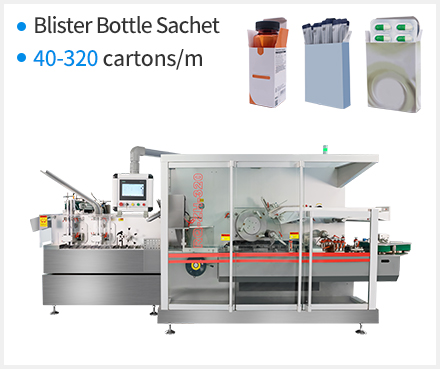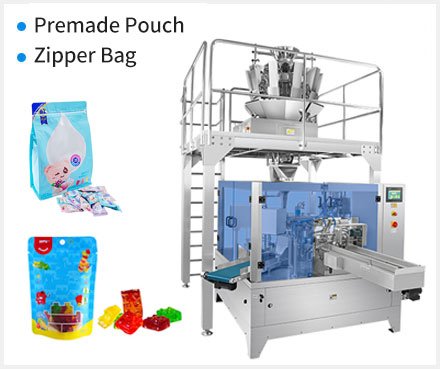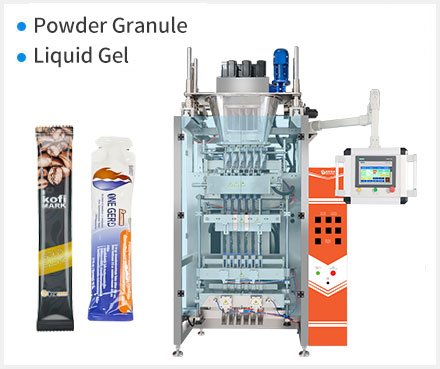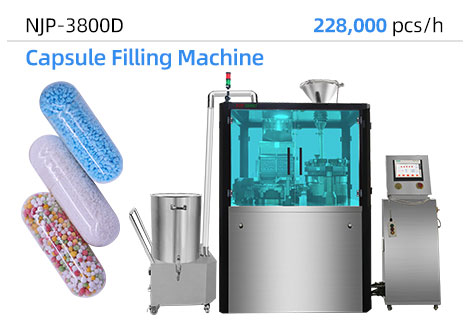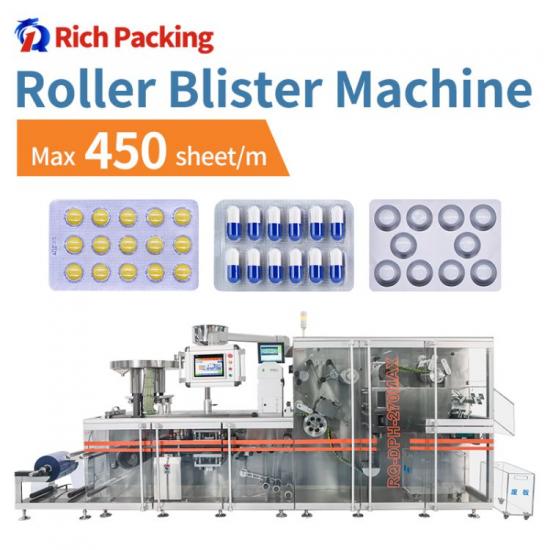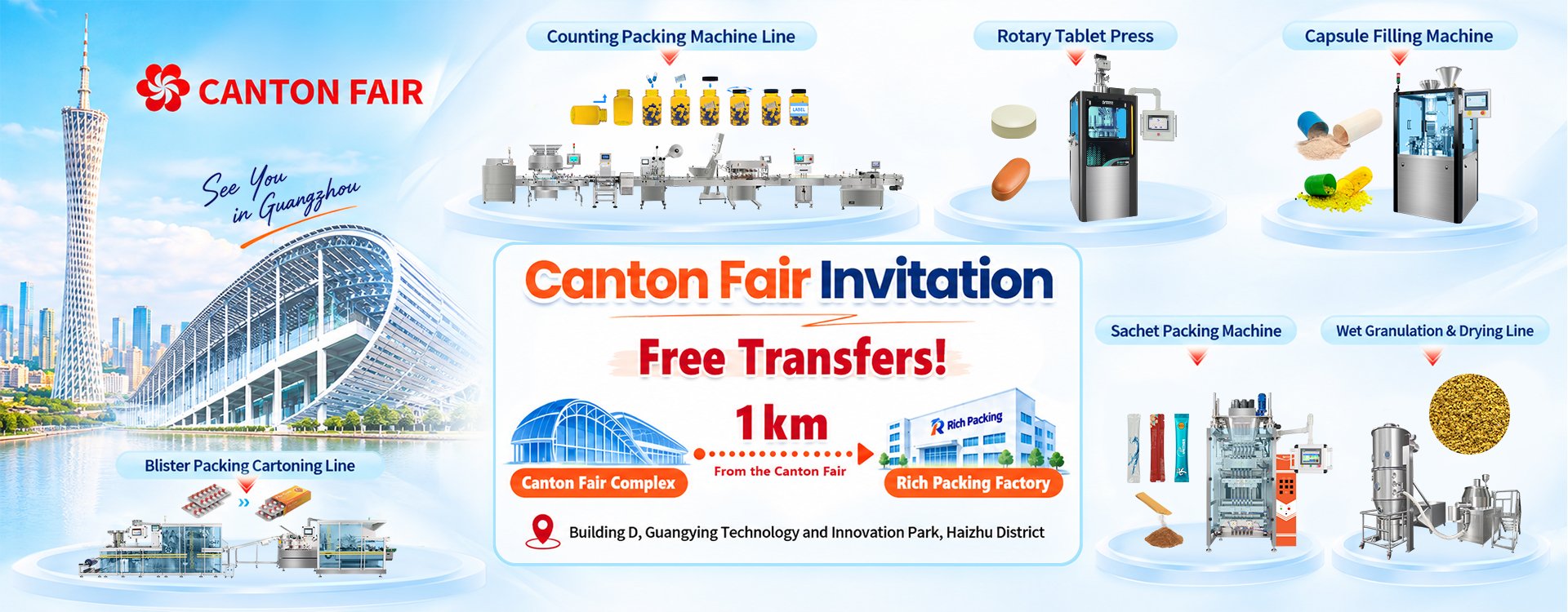
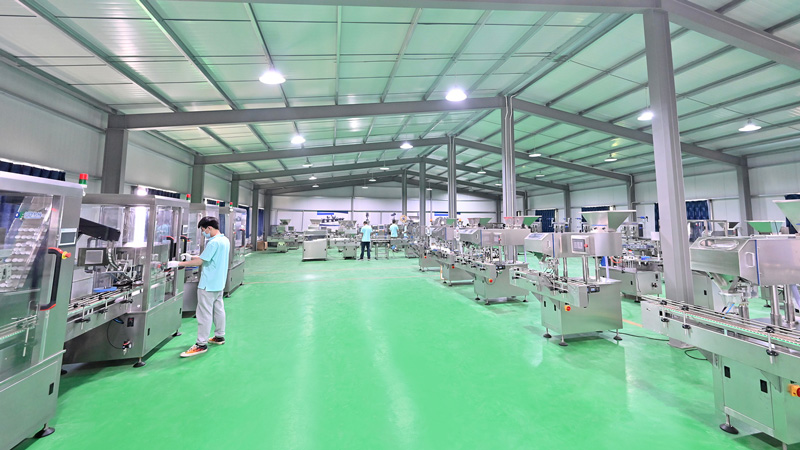
มณฑลกวางตุ้งรวยบรรจุเครื่องจักร Co. , Ltdมีประวัติความเป็นมาของประสบการณ์ 28 ปีในการผลิตเครื่องจักรเภสัชกรรมและการบรรจุเครื่องจักร

มณฑลกวางตุ้งรวยบรรจุเครื่องจักร Co. , Ltdมีประวัติความเป็นมาของประสบการณ์ 28 ปีในการผลิตเครื่องจักรเภสัชกรรมและการบรรจุเครื่องจักร
บริษัท Guangdong Rich Packing Machinery Co., Ltd. มีประสบการณ์ในการผลิตเครื่องจักรเภสัชกรรมและเครื่องจักรบรรจุภัณฑ์มามากกว่า 28 ปี
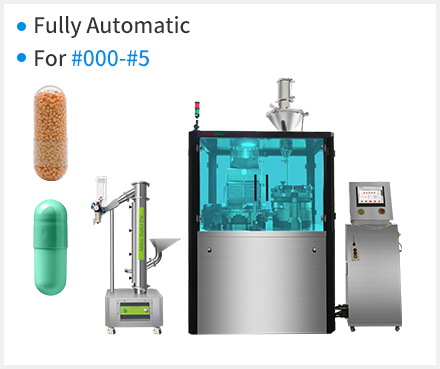
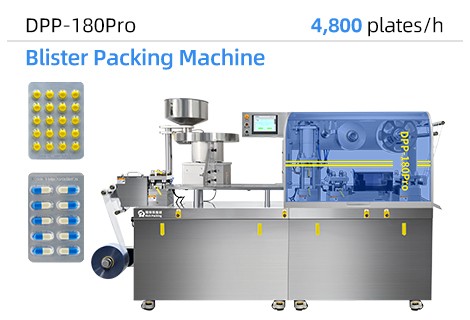
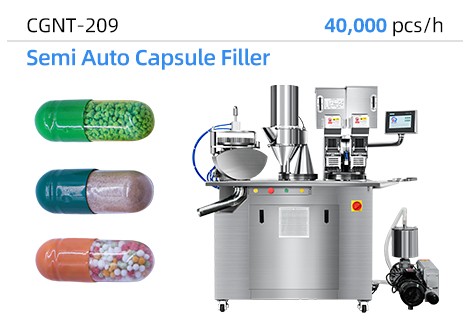
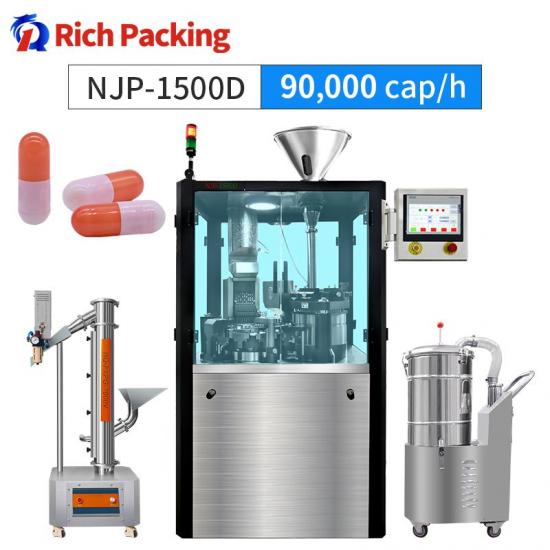
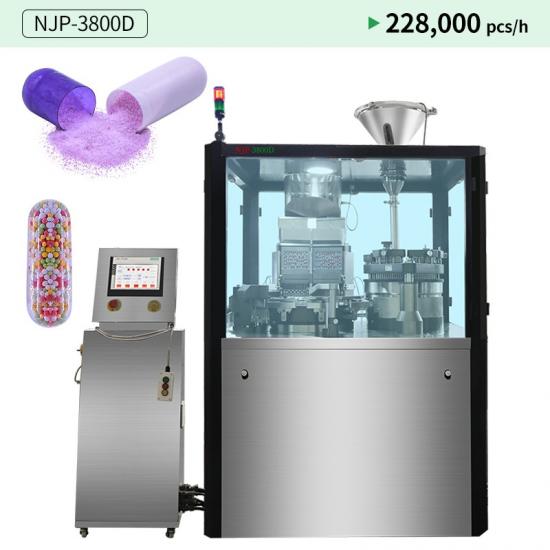
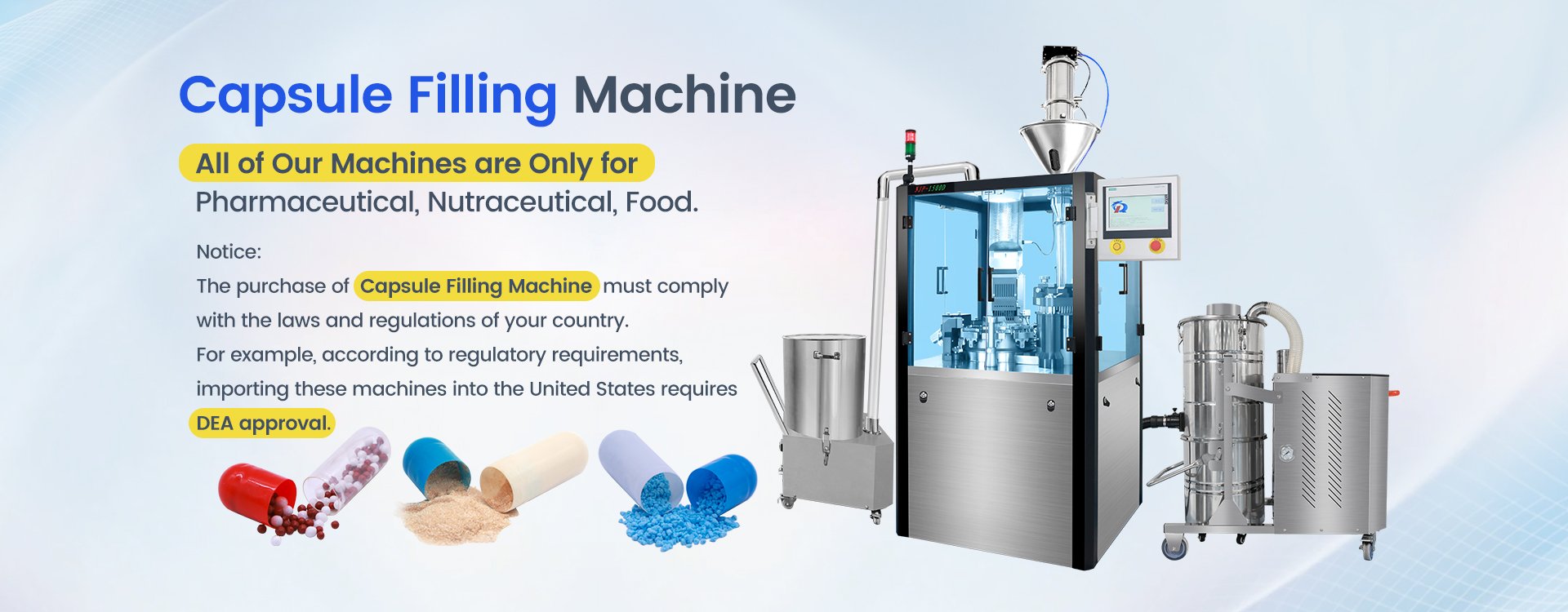
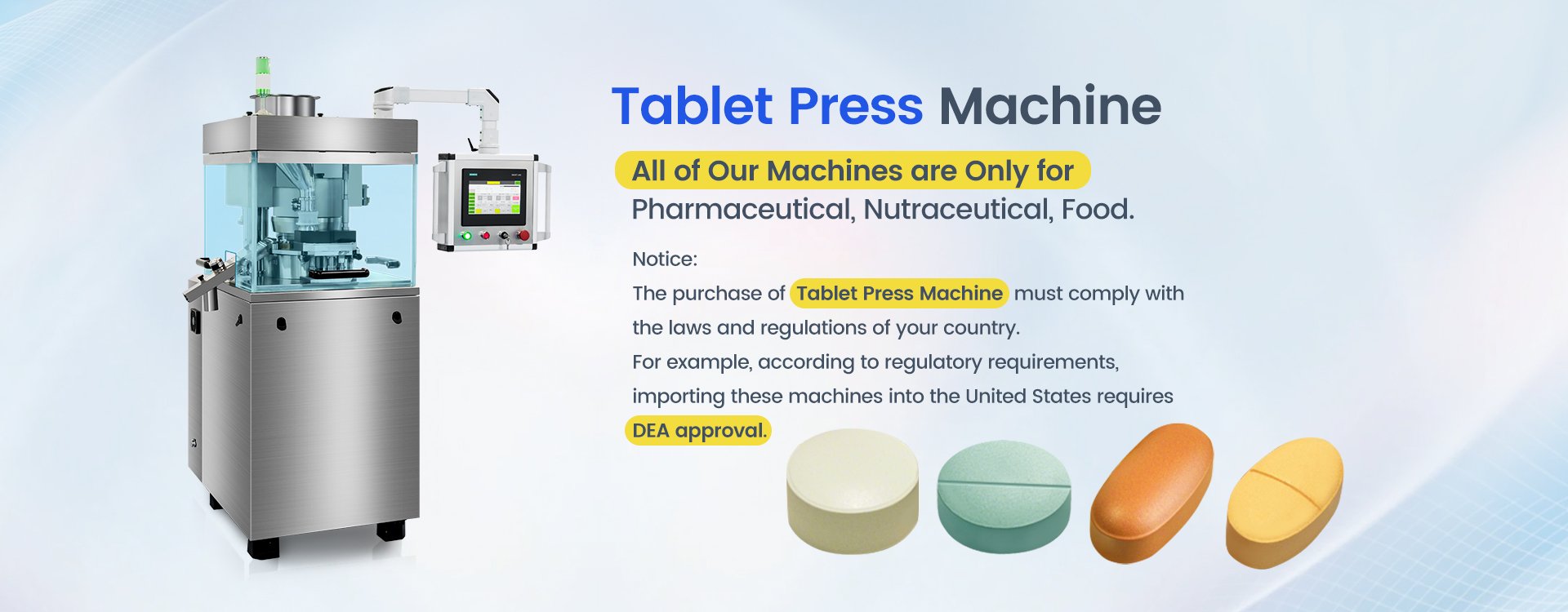
1. อัจฉริยะ PLC ระบบ. 2. อัตราการโหลดแคปซูลมากกว่า 99.5% 3. ขับเคลื่อนโดย Servo มอเตอร์. 4.ลึก การปรับแต่ง สนับสนุน
View More
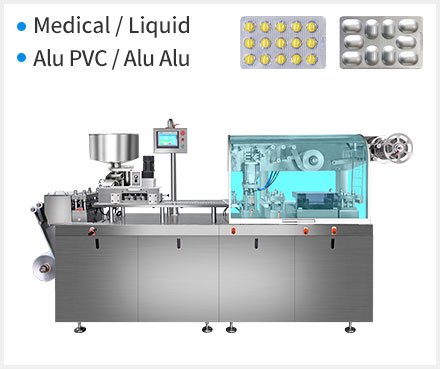
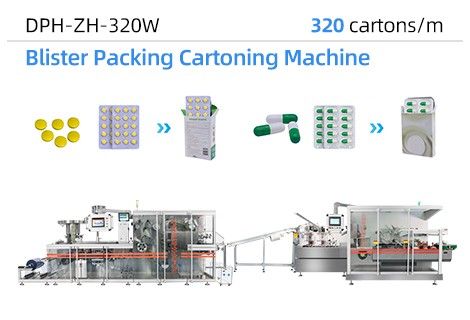
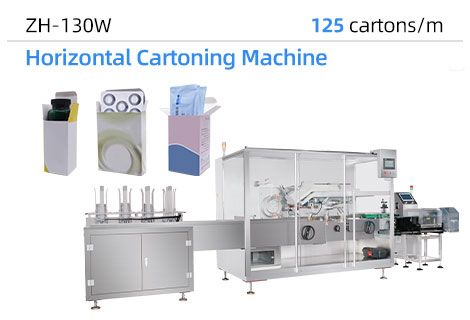
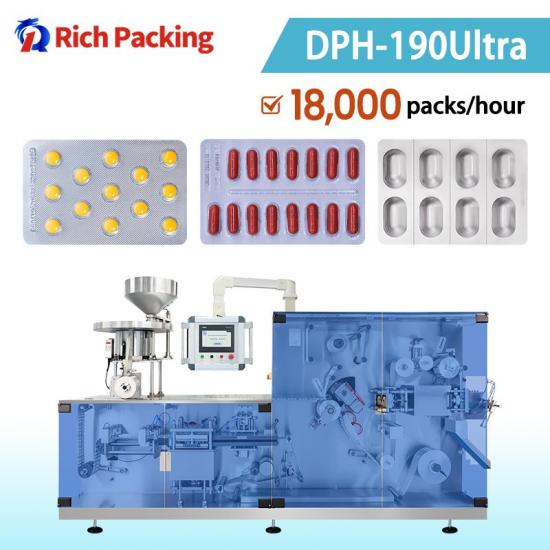
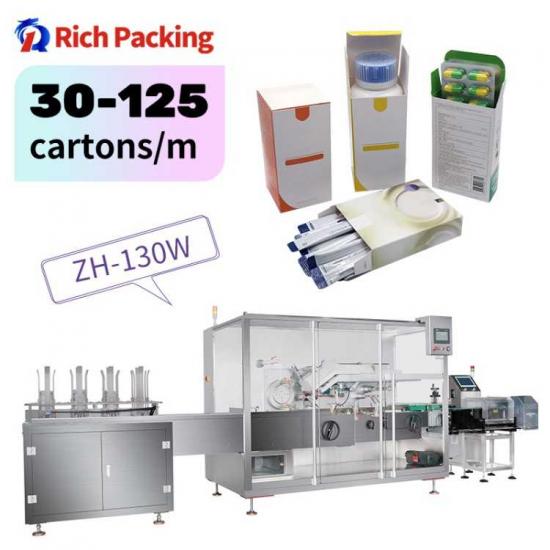
1. มอเตอร์เซอร์โวเต็มรูปแบบ ขับเคลื่อน. 2. ขนาดใหญ่ & ความลึก การขึ้นรูป 3. ความจุสูงสุดเพื่อ 260 กล่อง / นาที 4.ให้บริการในต่างประเทศในต่างประเทศ บริการ.
View More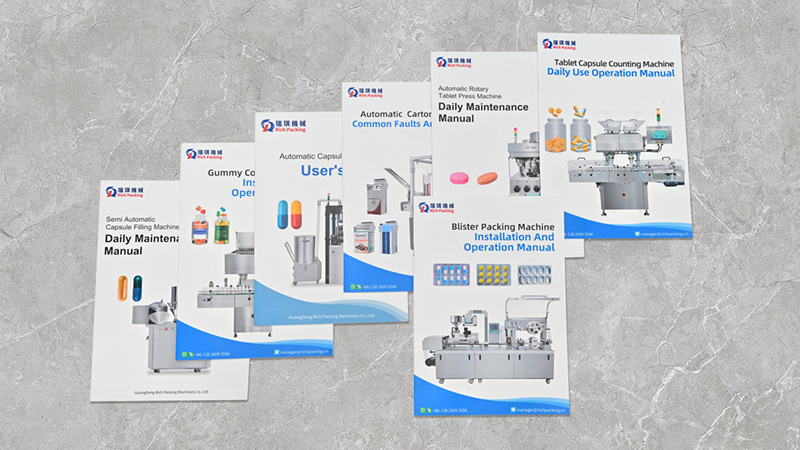
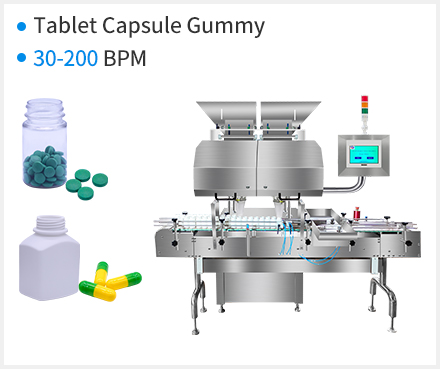
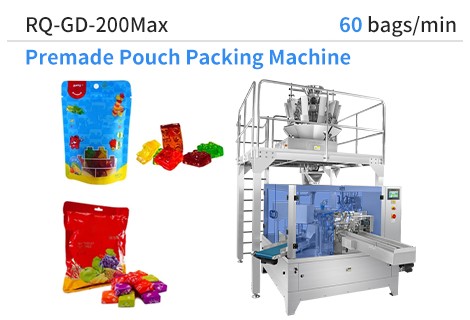
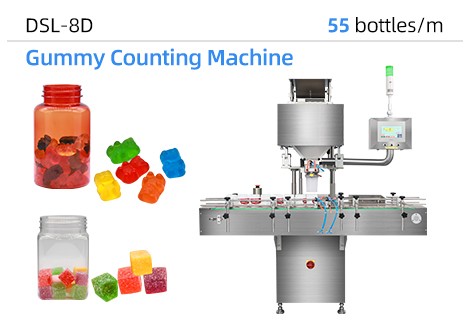
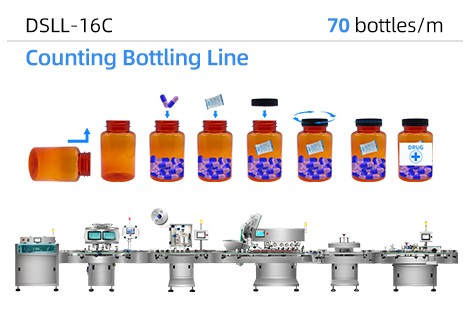
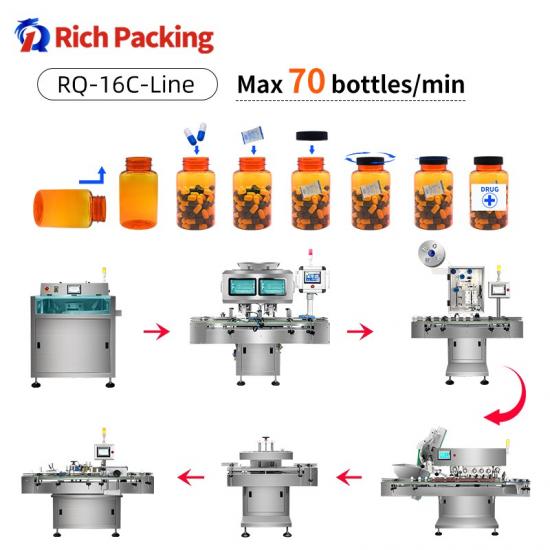
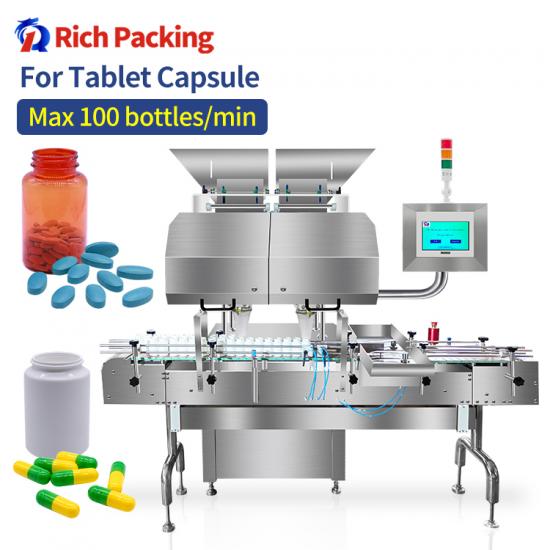
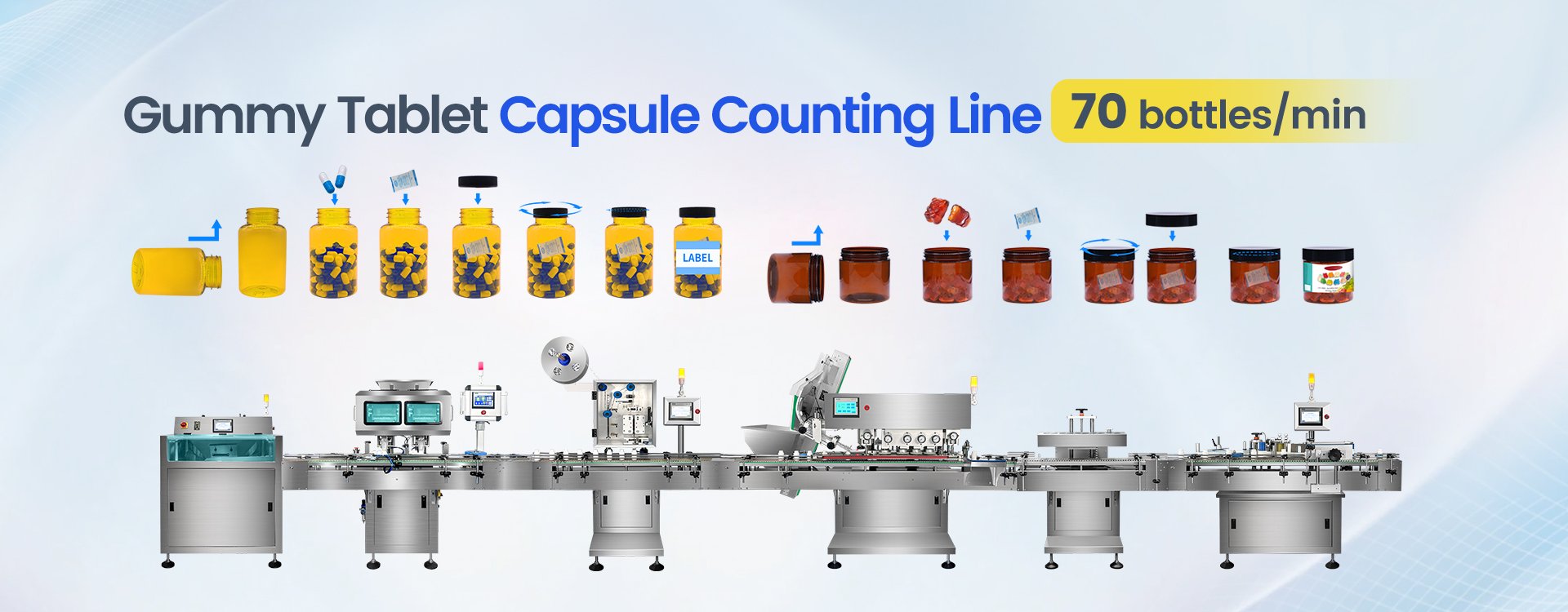
1. ชิ้นส่วนที่สำคัญ modular ออกแบบ 2. อัตราการนับความแม่นยำสูง > 99.98% 3. ลึก การปรับแต่ง สนับสนุน 4.การนับความจุบรรจุขวดเพื่อ 100 ขวด / นาที
View More
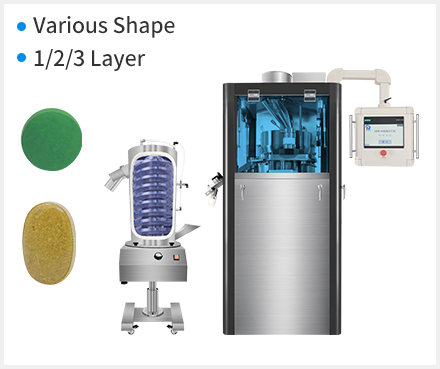
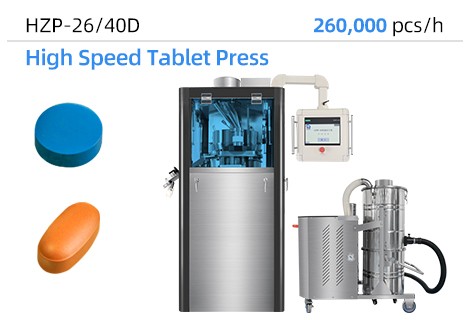
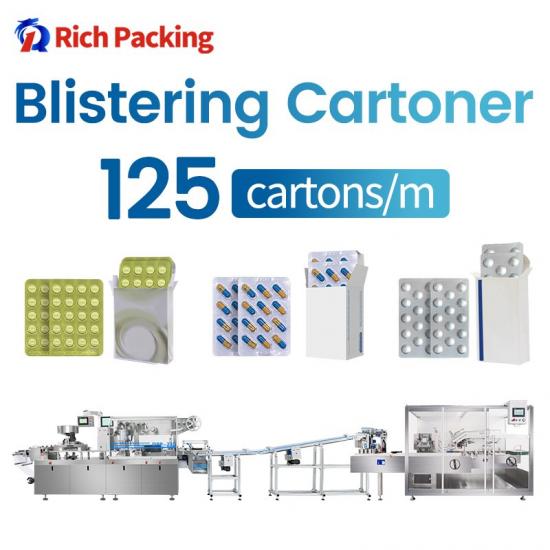
1. เสร็จแท็บเล็ต / ยา บริษัท และ ราบรื่น. 2. ลึก การปรับแต่ง สนับสนุน 3. ความดันสูงสูงสุด เพื่อ 400 KN 4.พบ ISO, GMP, CGMP, SGS.
View More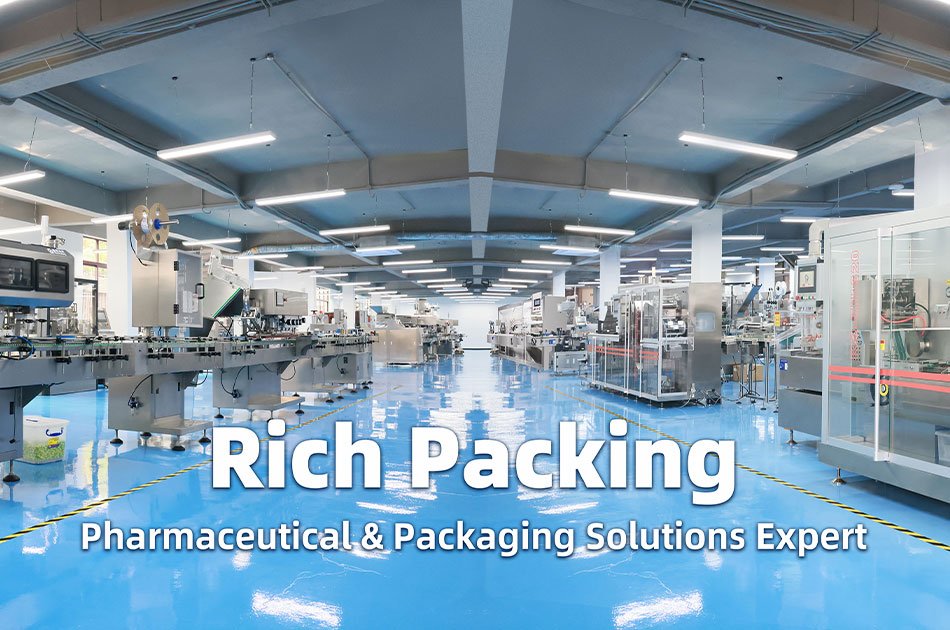
ยินดีต้อนรับสู่ Guangdong Rich Packing Machinery Co., Ltd.
เกี่ยวกับเรายินดีต้อนรับสู่ Guangdong Rich Packing Machinery Co., Ltd.
โรงงาน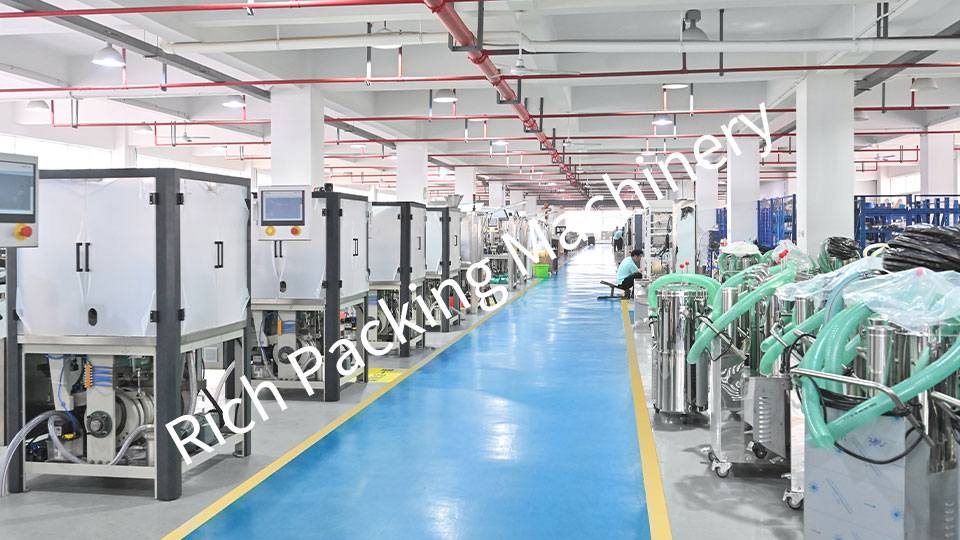
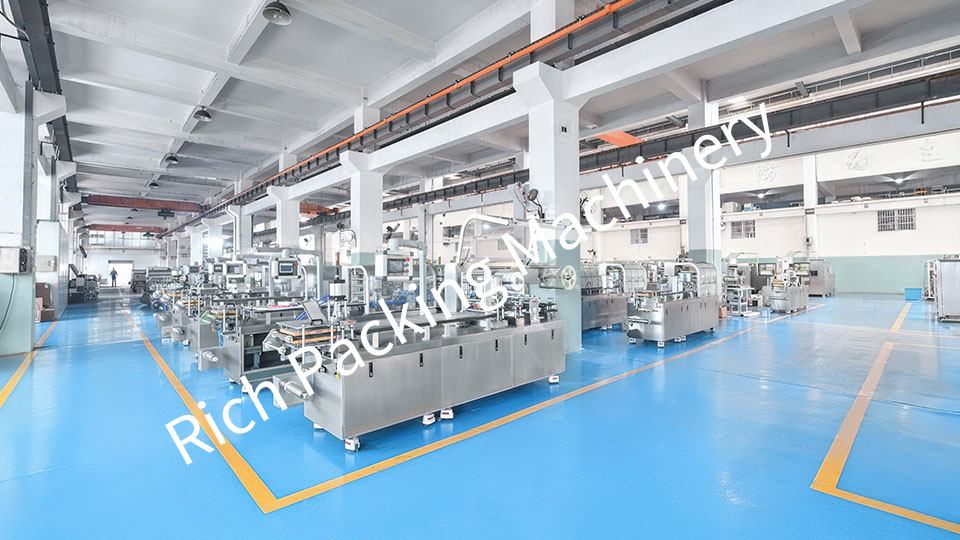
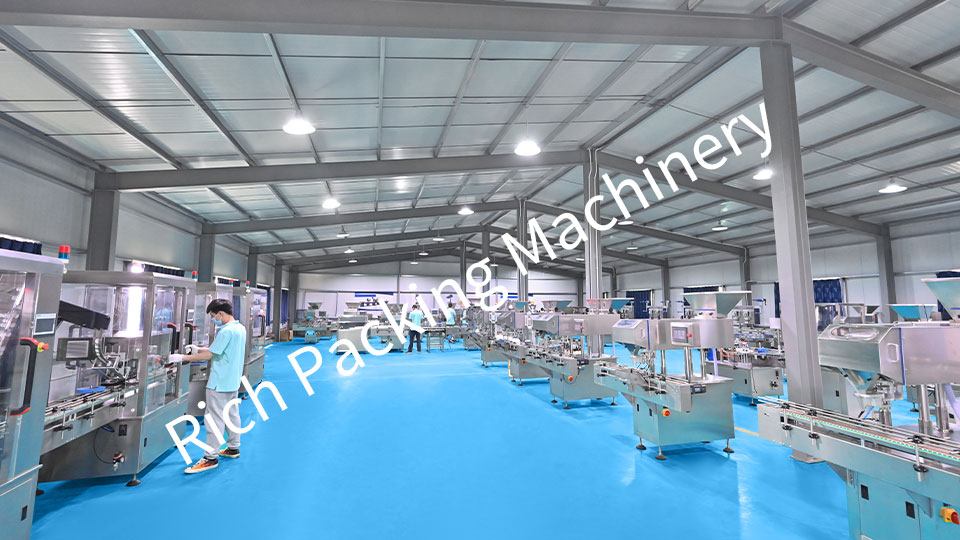
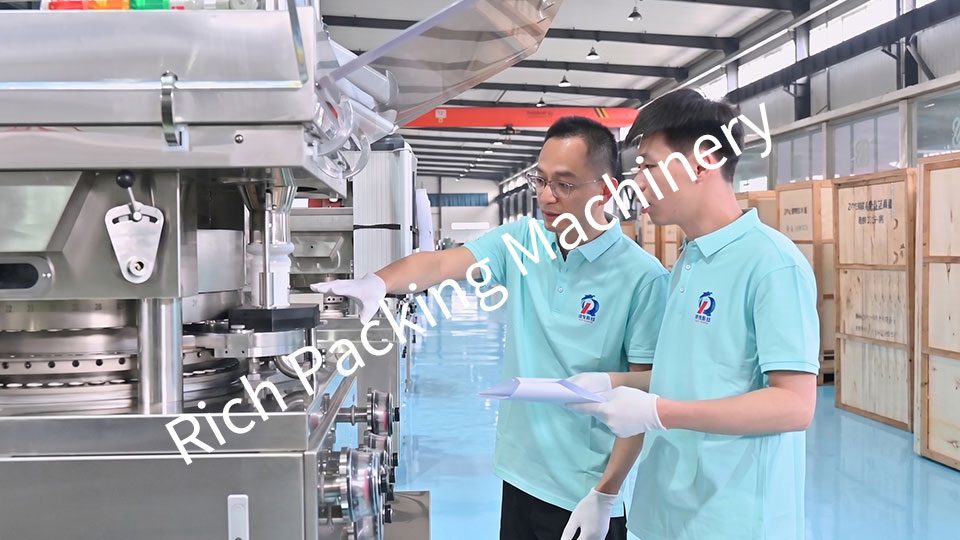
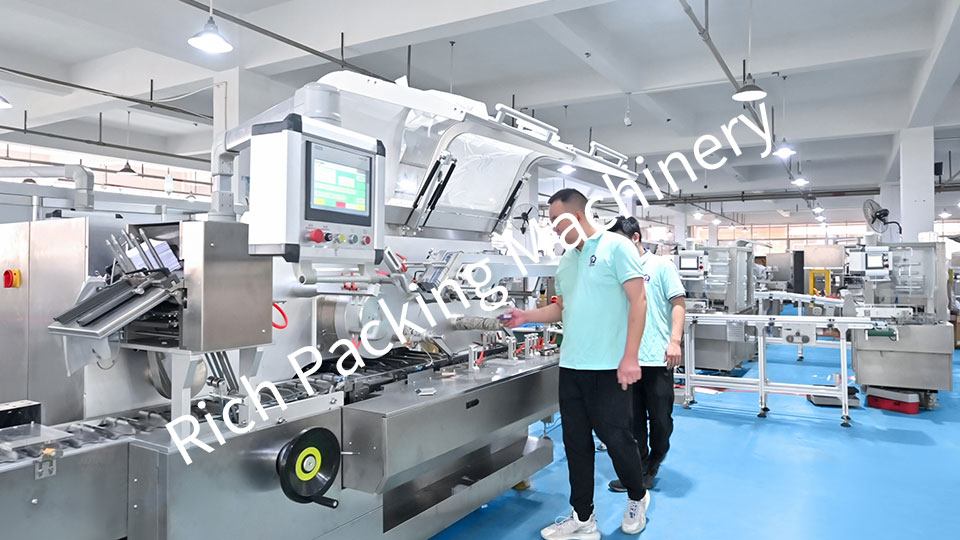
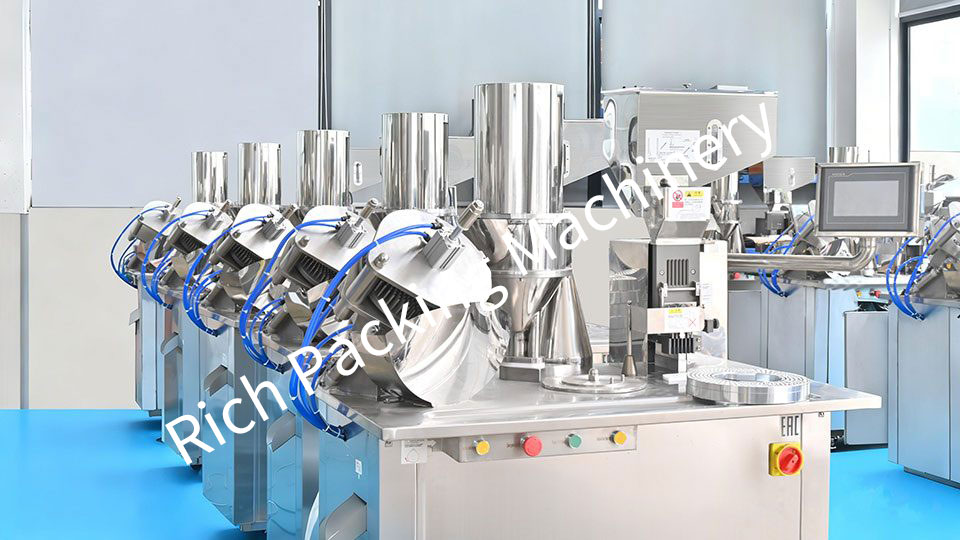
ยินดีต้อนรับสู่ Guangdong Rich Packing Machinery Co., Ltd.
ใบรับรอง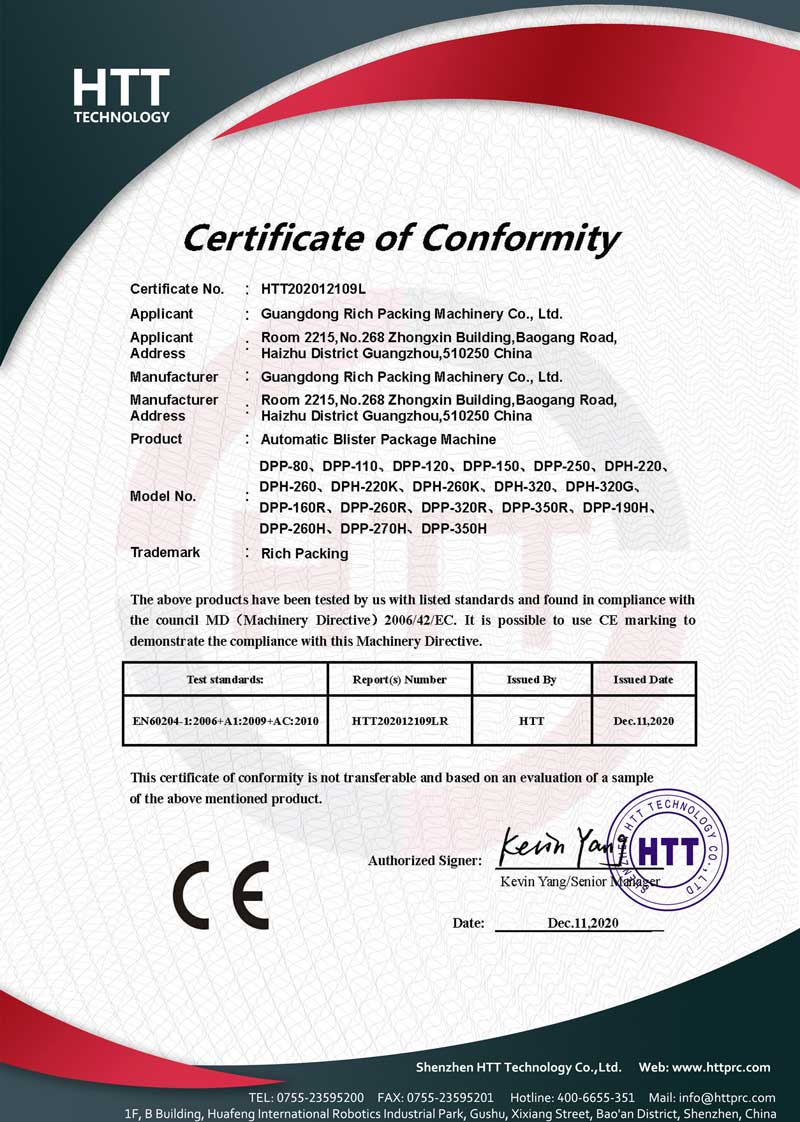
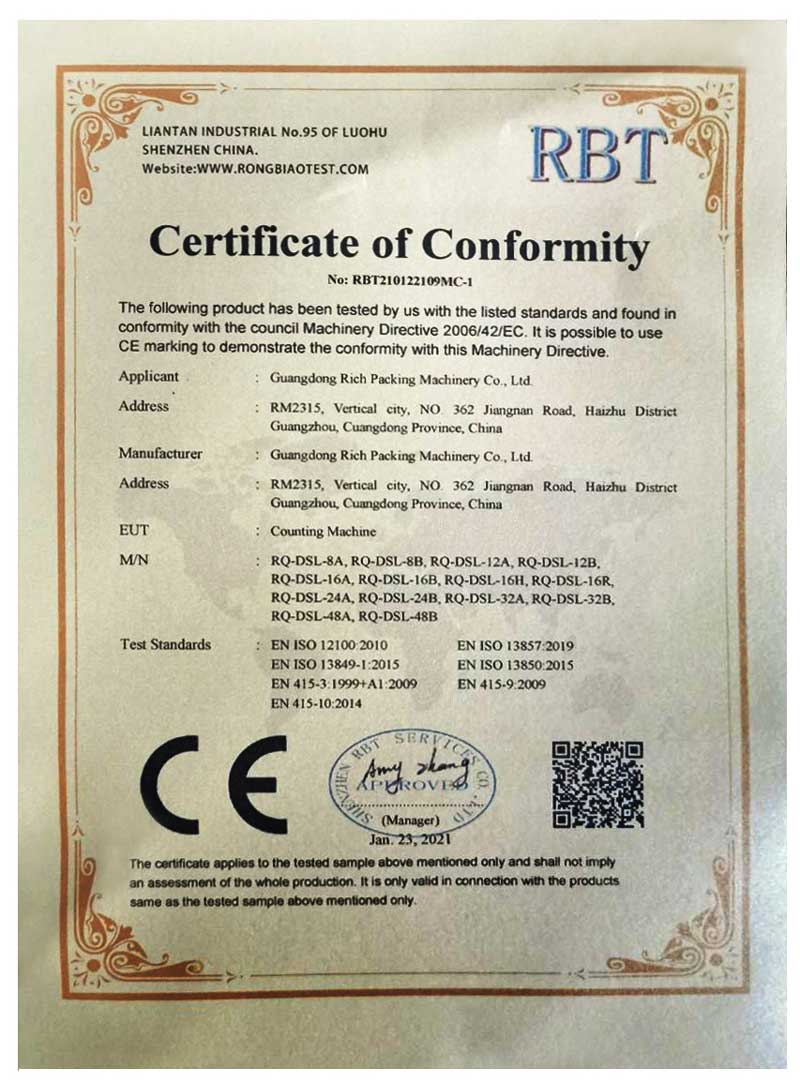
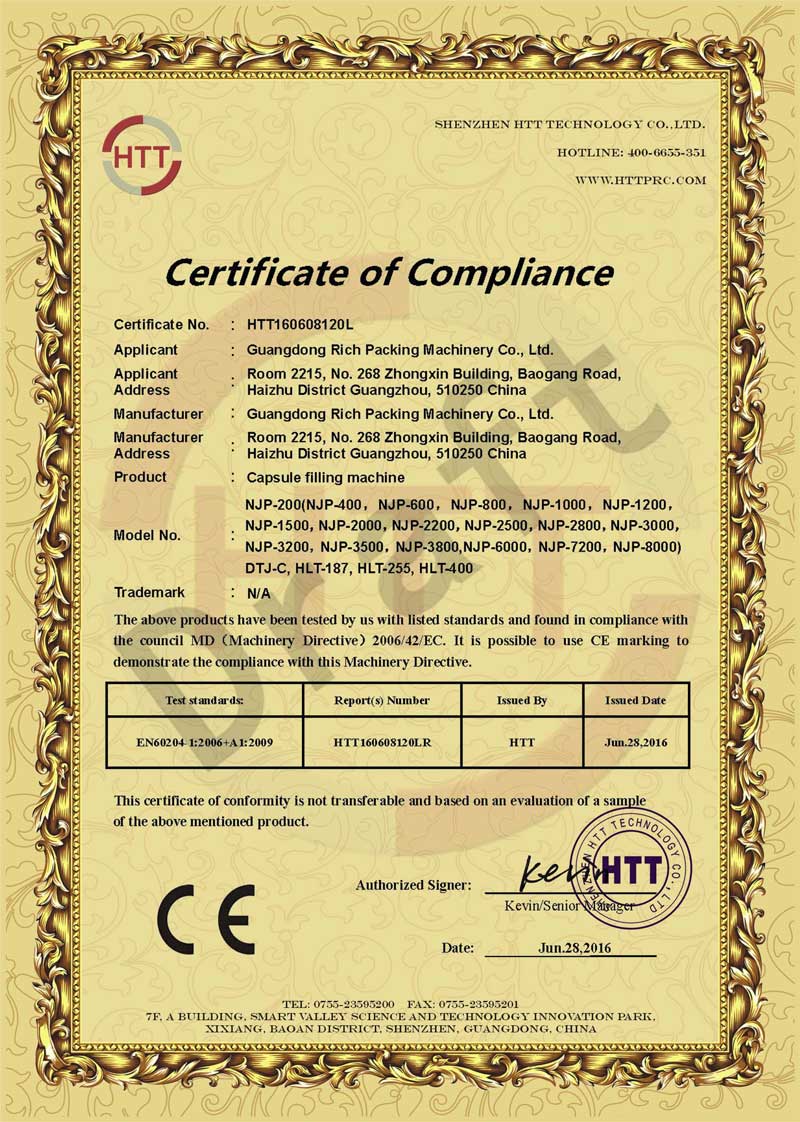
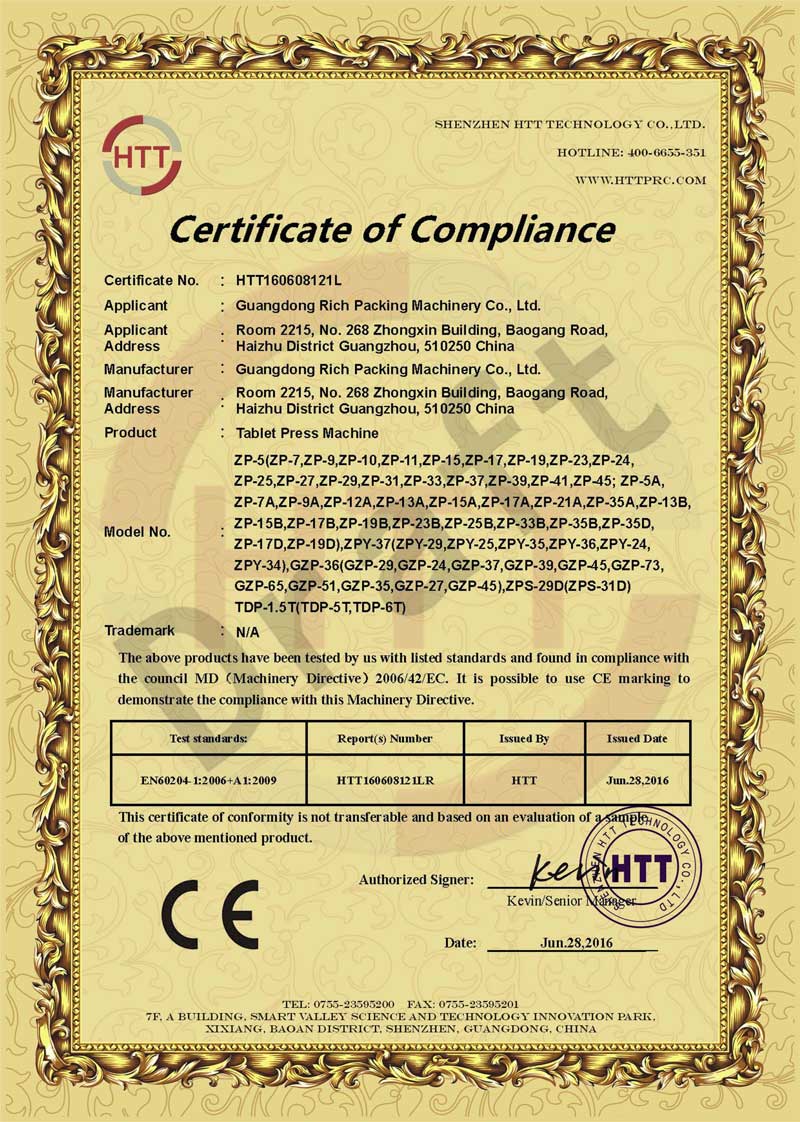
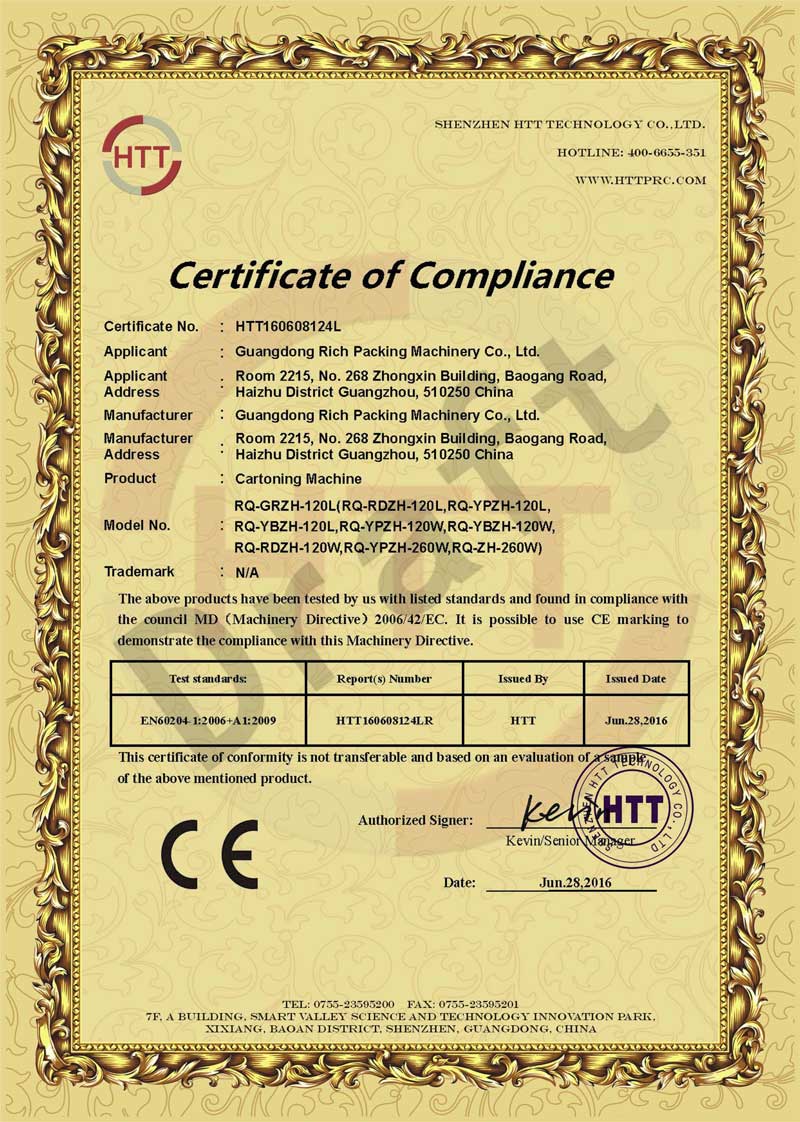
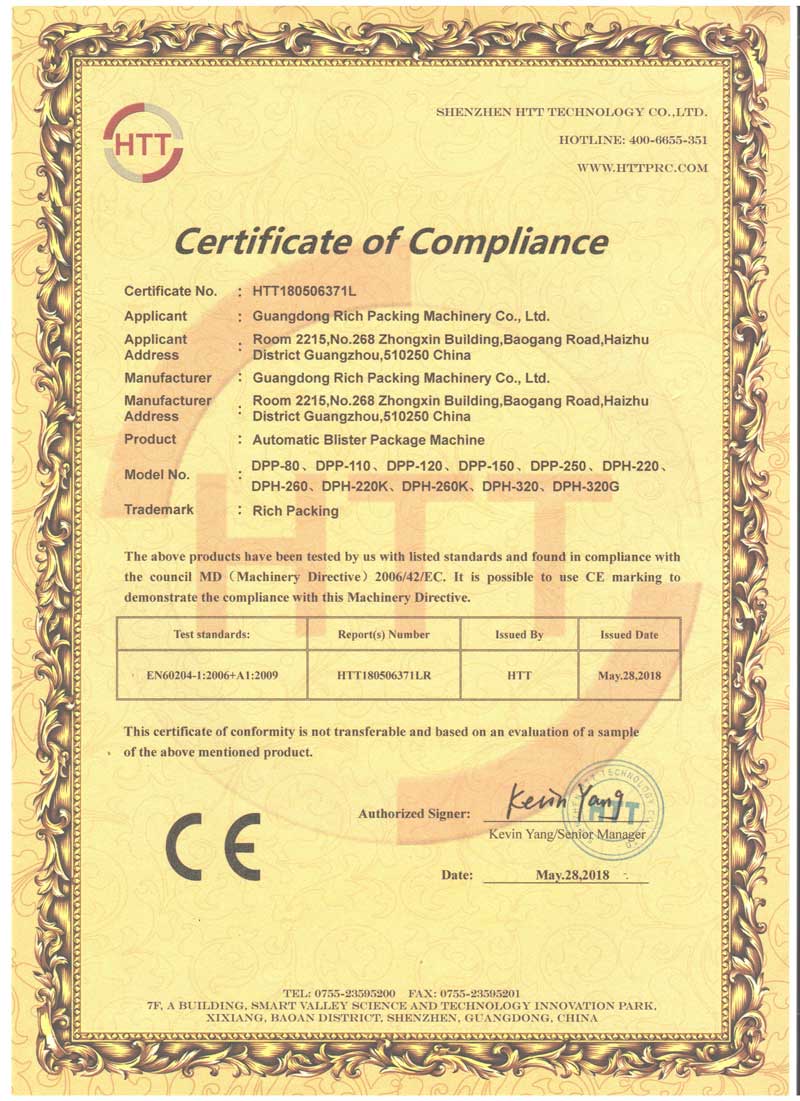
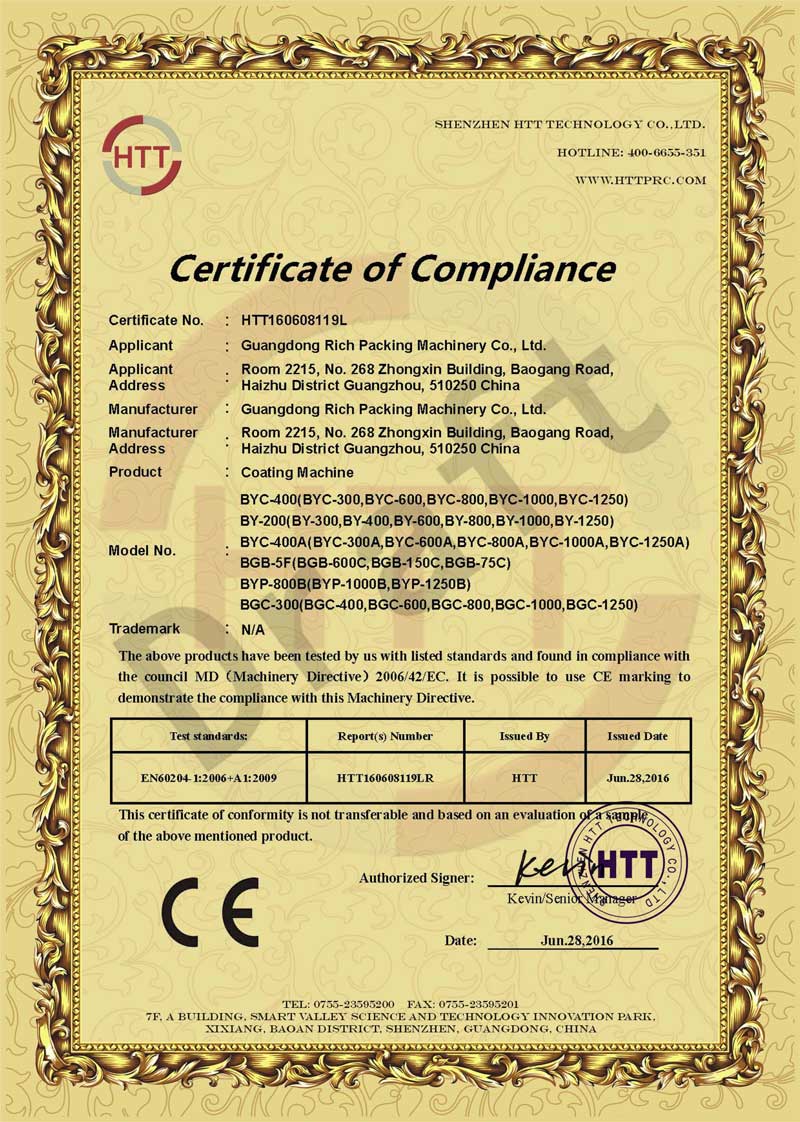
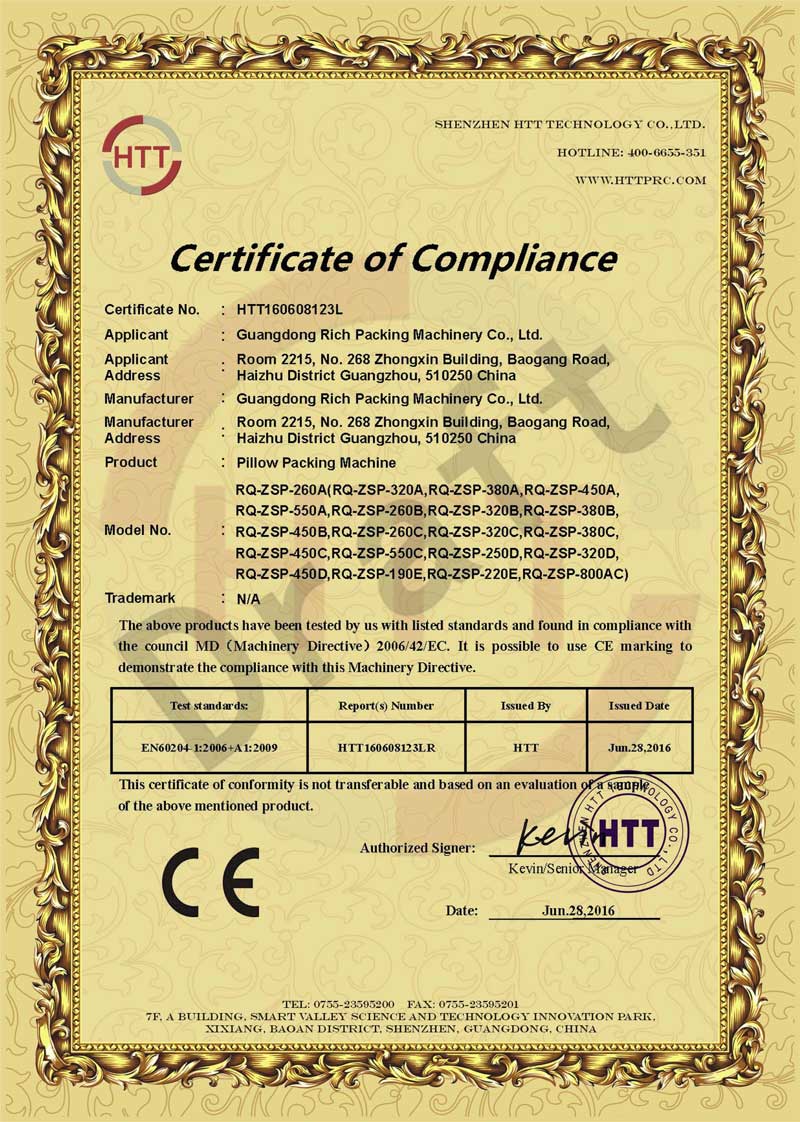
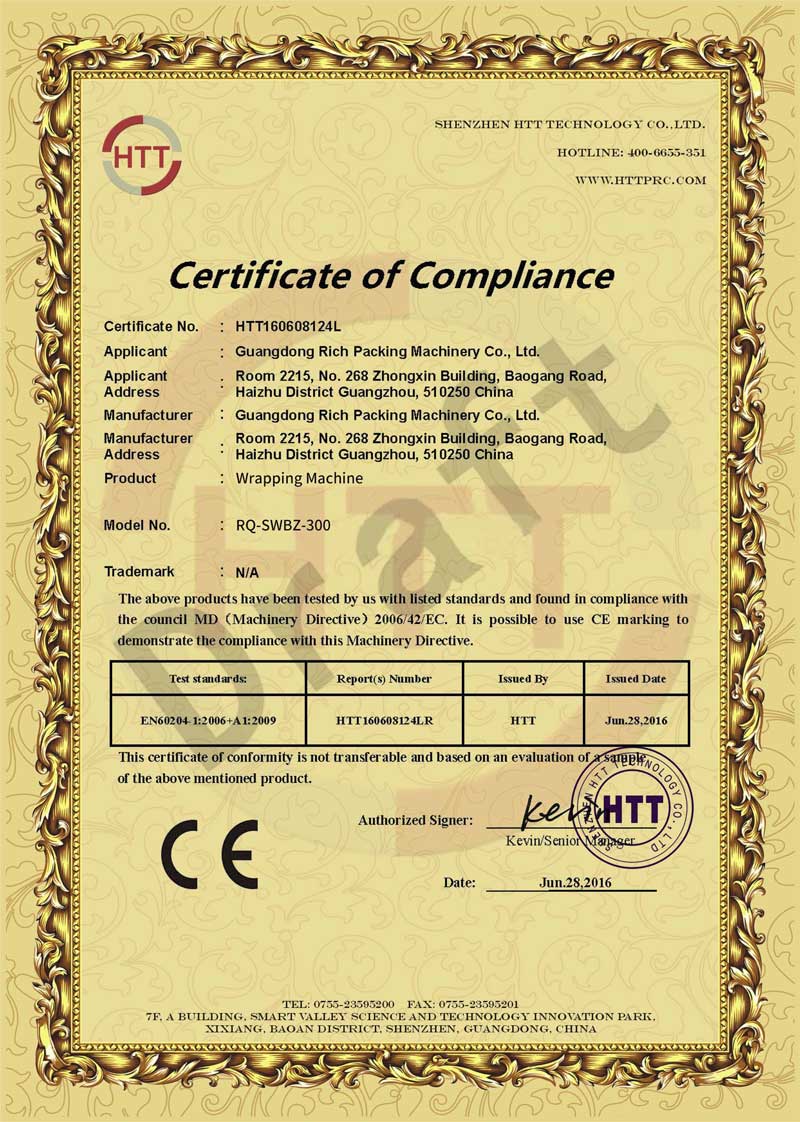


กวางตุ้งรวยบรรจุภัณฑ์เครื่องจักร co., ltd. มีประวัติ 28 ปีประสบการณ์ในการผลิตเครื่องจักรยาและเครื่องจักรบรรจุภัณฑ์.
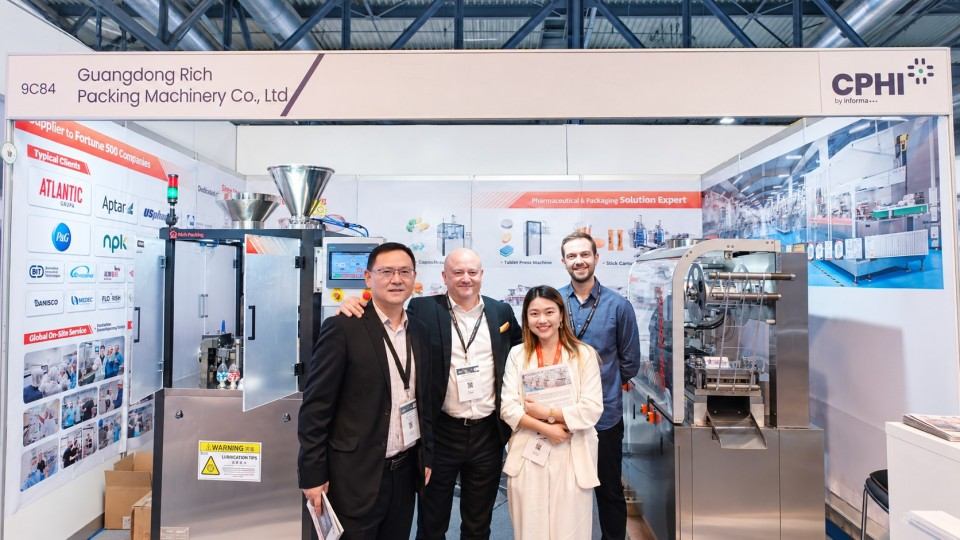
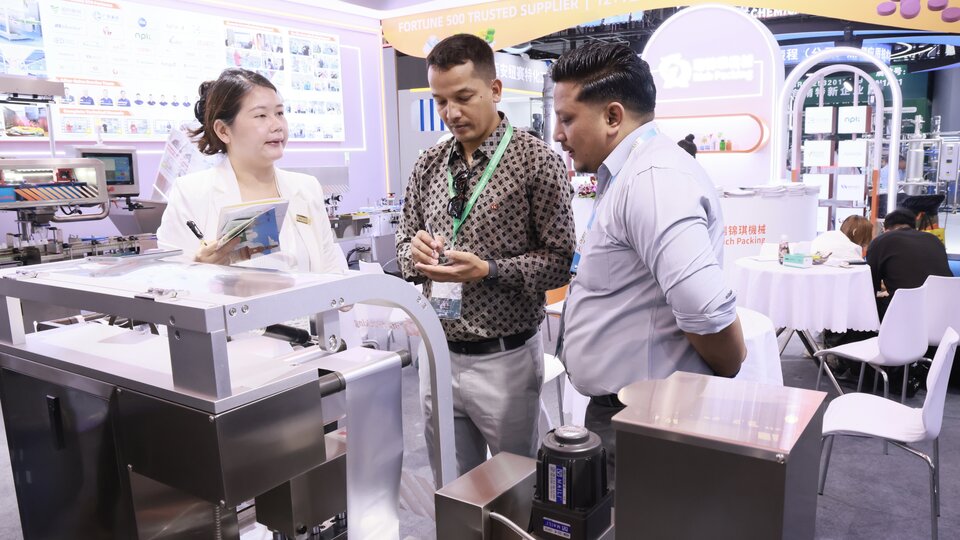
Milan, Italy, October 8, 2026 — Guangdong Rich Packing Machinery Co., Ltd. has concluded its participation in CPHI Milan 2026, held from October 6 to 8 at Fiera Milano. At booth 9C84, the pharmaceutical machinery manufacturer showcased its NJP-1500D automatic capsule filling machine and DPP-180Pro blister packaging machine, drawing visitors interested in solid dosage manufacturing and packaging equipment. During the three-day event, Rich Packing's representative Sara welcomed visitors, introduced the machines and answered questions about their technical specifications and applications. Pharmaceutical Manufacturing Equipment Draws Attention at Booth 9C84 The two machines displayed at the booth covered different stages of pharmaceutical production: filling hard capsules and packaging solid dosage forms in blister packs. Visitors examined the equipment, reviewed product information and spoke with Sara at the stand. The discussions provided a useful opportunity to address machine selection, production requirements and the technical details relevant to different pharmaceutical applications. Visitors speak with Rich Packing representative Sara at booth 9C84 The booth also featured information about Rich Packing's wider machinery portfolio, including tablet presses, electronic counting machines, cartoning machines and integrated pharmaceutical packaging lines. NJP-1500D: High-Speed Capsule Filling with Practical GMP Design Features The NJP-1500D automatic capsule filling machine delivers a rated output of up to 90,000 capsules per hour and supports hard capsule sizes #000 to #5. It automates capsule separation, powder or granule filling, locking, defective-capsule rejection and finished-product discharge. Its modular design allows tooling changes in approximately 15 minutes under specified conditions, helping reduce equipment downtime between capsule formats. The machine also features a patented sealed turntable, automatic lubrication and 316 stainless steel product-contact components. These design details are relevant to pharmaceutical manufacturers operating under Good Manufacturing Practice (GMP) requirements, where equipment cleanability, maintenance and control of powder residue are important for managing cross-contamination risks during batch changeovers. DPP-180Pro: Flexible Blister Packaging with Quick-Change Tooling The DPP-180Pro blister packaging machine was the second machine showcased at the exhibition. With a rated capacity of up to 4,800 blister packs per hour, it uses servo-driven film traction and PLC control to package tablets, capsules and other compatible products. The machine supports PVC/Alu and Alu/Alu blister packaging configurations. Its modular pull-out tooling allows mold installation in approximately 10 minutes, while external adjustment handwheels simplify alignment between forming, heat-sealing and cu...
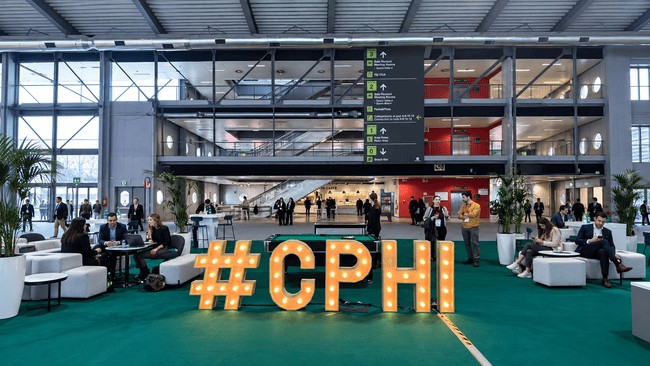
มิลาน ประเทศอิตาลี — 8 ตุลาคม 2026 — Rich Packing ประสบความสำเร็จอย่างงดงามในการเข้าร่วมงาน CPHI Milan 2026 ซึ่งจัดขึ้นระหว่างวันที่ 6 ถึง 8 ตุลาคม ณ Fiera Milano ประเทศอิตาลี งานนิทรรศการเป็นเวลาสามวันนี้ได้รวบรวมผู้ผลิตยา ผู้จัดจำหน่ายเครื่องจักร และผู้เชี่ยวชาญในอุตสาหกรรมจากทั่วโลก ซึ่งสร้างโอกาสอันมีค่าสำหรับการแลกเปลี่ยนทางเทคนิคและความร่วมมือระหว่างประเทศ ตลอดระยะเวลาการจัดแสดงนิทรรศการ บูธของ Rich Packing ดึงดูดผู้เข้าชมอย่างต่อเนื่อง ทีมขายและทีมเทคนิคของเราได้ทุ่มเทอย่างเต็มที่ในการสาธิต NJP ซีรีส์ เครื่องบรรจุแคปซูลอัตโนมัติ และ DPP ซีรีส์ เครื่องบรรจุแผงบริสเตอร์ ตอบคำถามทางเทคนิค และหารือเกี่ยวกับโซลูชันการผลิตและการบรรจุภัณฑ์ยา ทั้งกับลูกค้าใหม่และลูกค้าปัจจุบัน สำหรับ Rich Packing แล้ว CPHI Milan เป็นมากกว่าโอกาสในการจัดแสดงเครื่องจักรเภสัชกรรม แต่มันเป็นภาพสะท้อนของการเติบโตของเราในยุโรป ซึ่งได้รับการสนับสนุนจากโซลูชันการแปรรูปและบรรจุภัณฑ์ยาที่ครอบคลุมของเรา รวมถึงเครื่องบรรจุแผงบริสเตอร์ สายการนับกัมมี่, เครื่องบรรจุซองยาว (stick pack) และ เครื่องบรรจุลงกล่อง ตลอดจนพันธมิตรลูกค้าที่ประสบความสำเร็จและความมุ่งมั่นอย่างต่อเนื่องของเราต่อข้อกำหนดทางกฎหมายของยุโรป จากการสั่งซื้อในงานสู่การแนะนำของลูกค้า: ความไว้วางใจที่สร้างขึ้นผ่านประสบการณ์ ในบรรดาไฮไลท์ของ CPHI Milan 2026 คือการสั่งซื้อในงานสำหรับ เครื่องบรรจุแคปซูลอัตโนมัติ NJP-1500D โดยลูกค้าที่เข้าชมงาน การสั่งซื้อนี้สะท้อนให้เห็นถึงคุณค่าของการสื่อสารแบบต่อหน้า ซึ่งผู้ผลิตสามารถตรวจสอบอุปกรณ์ รวบรวมข้อมูลจำเพาะทางเทคนิค และประเมินโซลูชันสำหรับความต้องการในการผลิตของพวกเขาได้ อีกหนึ่งช่วงเวลาที่น่าจดจำเกิดขึ้นเมื่อ Michał Kowalski ลูกค้าเก่าแก่ของ Rich Packing จากโปแลนด์ ได้แนะนำเครื่องบรรจุแคปซูล NJP-1500D และบริการของเราให้แก่ Jan Novák ว่าที่ลูกค้าจากเช็กเกีย แทนที่จะเพียงแค่ฟังการนำเสนอขาย ผู้เข้าชมรายใหม่สามารถรับฟังโดยตรงจากลูกค้าที่มีประสบการณ์ในภาษาท้องถิ่นเกี่ยวกับการทำงานร่วมกับ Rich Packing คำแนะนำดังกล่าวแสดงให้เห็นถึงความสำคัญของประสบการณ์ลูกค้าจริงในการสร้างความมั่นใจและสร้างความสัมพันธ์ทางธุรกิจใหม่ๆ นอกจากนี้ เรายังยินดีอย่างยิ่งที่ได้ต้อนรับลูกค้าที่กลับมาใช้บริการจากโครเอเชีย Atlantic Grupa ซึ่งเคยซื้อหนึ่งใน เครื่องตอกยาเม็ดแบบโรตารีความเร็วสูง HGZP-40D ของเรา การเยี่ยมชมของพวกเขาให้โอกาสอีกครั้งในการเชื่อมต่อ แลกเปลี่ยนความคิดเห็น และหารือเกี่ยวกับข้อกำหนดในการผลิตในอนาคต ปฏิสัมพันธ์เหล่านี้เป็นหนึ่งในผลลัพธ์ที่มีค่าที่สุดของนิทรรศการ จากผู้ซื้อครั้งแรกไปจนถึงพันธมิตรที่ยาวนาน ความสัมพันธ์ที่เราสร้างขึ้นอย่างต่อเนื่องกับผู้ผลิตยาในยุโรปกำลังกลายเป็นรากฐานที่สำคัญยิ่งขึ้นสำหรับการเติบโตในระดับสากลของ Rich Packing ยุโรปในฐานะตลาดเชิงยุทธศาสตร์: ความมุ่งมั่นของเราต่อมาตรฐานการปฏิบัติตามกฎระเบียบที่วิวัฒนาการอย่างต่อเนื่อง ยุโรปเป็นหนึ่งในตลาดเชิงยุทธศาสตร์ที่สำคัญของ Rich Packing และเป็นลำดับความสำคัญระยะยาวในการพัฒนาระดับสากลของเรา เรารับรู้ว่าผู้ผลิตยาในยุโรปมีความคาดหวังสูงเกี่ยวกับความปลอดภัยของเครื่องจักร การปฏิบัติตามกฎระเบียบ เสถียรภาพในการผลิต และเอกสารทางเทคนิค การตอบสนองความคาดหวังเหล่านี้ต้องการมากกว่าการจัดหาอุปกรณ์มาตรฐาน ซึ่งต้องการการปรับปรุงผลิตภัณฑ์อย่างต่อเนื่อง ความเข้าใจในข้อกำหนดระดับภูมิภาค และการสนับสนุนทาง...
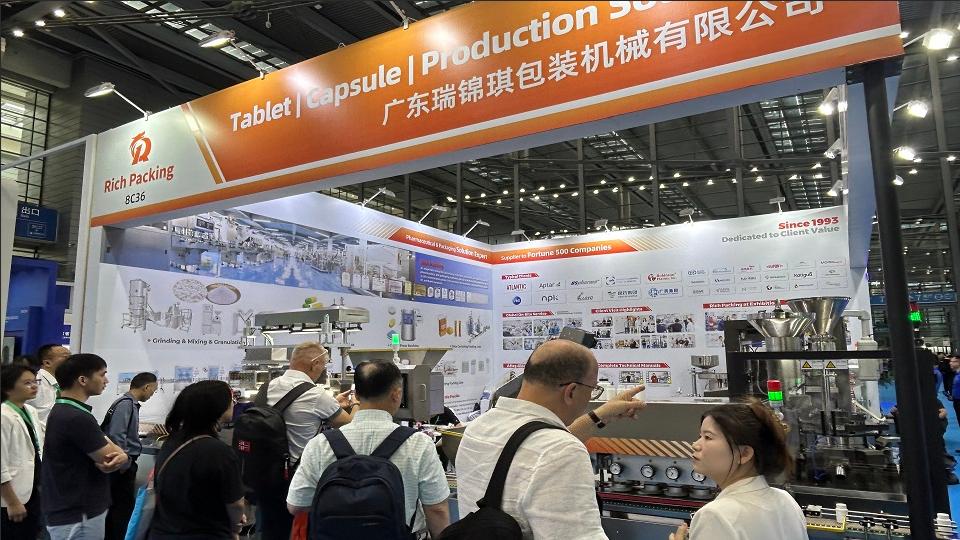
งานนิทรรศการ CPHI Shenzhen 2026 ระยะเวลา 3 วันได้สิ้นสุดลงอย่างประสบความสำเร็จเมื่อวันที่ 18 กันยายน ตั้งแต่วันที่ 16 ถึง 18 กันยายน Rich Packing ได้ต้อนรับผู้ผลิตยาและผลิตภัณฑ์เสริมอาหาร ผู้จัดจำหน่าย และผู้เชี่ยวชาญในอุตสาหกรรมจากทั้งในประเทศจีนและต่างประเทศที่บูธ 8C36 ด้วยกลุ่มผลิตภัณฑ์อุปกรณ์ที่ครอบคลุม ทีมงานด้านเทคนิคที่เป็นมืออาชีพ และบริการแบบครบวงจร Rich Packing ได้รับความสนใจอย่างมากตลอดระยะเวลาการจัดงาน ผู้เข้าชมจำนวนมากได้มาที่บูธเพื่อเรียนรู้เกี่ยวกับเครื่องจักรของเราและหารือเกี่ยวกับความต้องการด้านการผลิตและการบรรจุภัณฑ์กับทีมงานมืออาชีพของเรา งานนิทรรศการนี้ยังเป็นโอกาสอันดีสำหรับ Rich Packing ในการแสดงขีดความสามารถทางเทคนิคและเสริมสร้างการสื่อสารกับลูกค้าจากตลาดต่างๆ ให้แน่นแฟ้นยิ่งขึ้น Rich Packing ได้รับความสนใจอย่างมากจากผู้เข้าชมทั่วโลก การสาธิตหน้างาน: เรียนรู้เกี่ยวกับเครื่องจักรของเราในการปฏิบัติงานจริง หนึ่งในไฮไลท์ของการเข้าร่วมงานของ Rich Packing คือการสาธิตการใช้งานจริงของ เครื่องบรรจุภัณฑ์ยา เพื่อให้ผู้เข้าชมมีความเข้าใจโดยตรงเกี่ยวกับประสิทธิภาพของอุปกรณ์ของเรา เราได้นำเครื่องจักรหลากหลายประเภทที่ครอบคลุมขั้นตอนต่างๆ ของการผลิตยาและการบรรจุภัณฑ์ รวมถึงเครื่องจัดเรียงขวด, เครื่องนับเม็ดยาด้วยระบบวิชั่น 16 ช่อง, เครื่องปิดฝาขวดซึ่งเป็นส่วนหนึ่งของ สายการผลิตนับเม็ดยาและแคปซูล, HGZP-26D เครื่องตอกเม็ดยาความเร็วสูง, เครื่องบรรจุแผงบลิสเตอร์ DPP-180Pro, เครื่องทำความเย็น และ เครื่องบรรจุแคปซูล NJP-1500D. ผู้เข้าชมสามารถสังเกตการทำงานของเครื่องจักรในสถานที่จริงและสื่อสารโดยตรงกับวิศวกรของเรา ทีมงานด้านเทคนิคของเราได้แนะนำหลักการทำงาน การกำหนดค่าที่สำคัญ ขีดความสามารถในการผลิต และสถานการณ์การใช้งานของอุปกรณ์ พร้อมทั้งตอบคำถามของผู้เข้าชมเกี่ยวกับความต้องการด้านการผลิตเฉพาะของพวกเขา การสาธิตสดช่วยให้ลูกค้าได้รับความเข้าใจที่ใช้งานได้จริงเกี่ยวกับอุปกรณ์มากกว่าการพึ่งพาข้อมูลจำเพาะของผลิตภัณฑ์เพียงอย่างเดียว ผู้เข้าชมแสดงความสนใจอย่างมากในประสิทธิภาพของเครื่องจักร ความสามารถในการทำงานอัตโนมัติ ประสิทธิภาพการผลิต และการทำงานที่เสถียร ผู้จัดการฝ่ายขายของเรากำลังแนะนำเครื่องบรรจุแผงบลิสเตอร์ DPP-180pro ให้กับลูกค้า โซลูชันที่ปรับแต่งได้และบริการหลังการขายที่ครอบคลุม นอกเหนือจากการจัดแสดงเครื่องจักรแล้ว Rich Packing ยังได้หารือในรายละเอียดกับผู้ที่มีโอกาสเป็นลูกค้าจำนวนมากเกี่ยวกับโครงการผลิตเฉพาะของพวกเขา ในระหว่างงานนิทรรศการ ทีมขายของเราทำงานอย่างใกล้ชิดกับผู้เข้าชมเพื่อทำความเข้าใจผลิตภัณฑ์ กำลังการผลิต รูปแบบบรรจุภัณฑ์ และความต้องการอื่นๆ ของพวกเขา จากข้อมูลนี้ ทีมงานของเราได้หารือเกี่ยวกับโซลูชันที่ปรับแต่งได้กับลูกค้า ตั้งแต่อุปกรณ์รายชิ้นไปจนถึง สายการผลิตและการบรรจุภัณฑ์ที่สมบูรณ์. บริการแบบครบวงจรของ Rich Packing เป็นอีกหนึ่งหัวข้อสำคัญในการหารือเหล่านี้ นอกเหนือจากการจัดหาเครื่องจักรแล้ว เรายังให้การสนับสนุนตลอดวงจรชีวิตของอุปกรณ์ รวมถึงการออกแบบโซลูชัน การจัดส่ง การติดตั้งและการทดสอบเดินเครื่อง การฝึกอบรมผู้ปฏิบัติงาน และการสนับสนุนทางเทคนิคหลังการขาย บริการของเรารวมถึงการรับประกันสามปีและชิ้นส่วนสึกหรอฟรีหนึ่งปี รวมถึงการทดสอบเดินเครื่องและการฝึกอบรมจากระยะไกล เพื่อให้ลูกค้าได้รับความสะดวกในการสนับสนุนทางเทคนิค สำหรับลูกค้าที่ต้องการความช่วยเหลือในสถานที่จริง Rich Packing ยังสามารถจัดเตรียมวิศว...
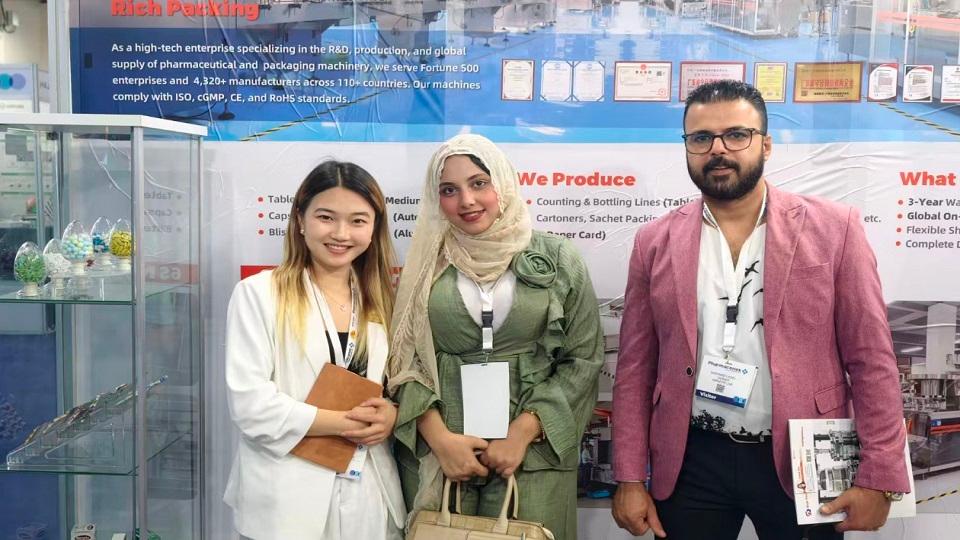
งานแสดงสินค้า Pharmaconex 2026 ซึ่งจัดขึ้นเป็นเวลาสามวัน ได้ปิดฉากลงอย่างประสบความสำเร็จเมื่อวันที่ 3 กันยายน ณ ศูนย์นิทรรศการนานาชาติอียิปต์ ในกรุงไคโร ประเทศอียิปต์ ระหว่างวันที่ 1-3 กันยายน งานแสดงสินค้านี้ได้รวบรวมผู้ผลิตยา ผู้จำหน่ายอุปกรณ์บรรจุภัณฑ์ ผู้เชี่ยวชาญในอุตสาหกรรม และตัวแทนธุรกิจจากทั่วโลก บริษัท Rich Packing เข้าร่วมงานแสดงสินค้าที่บูธ H4.H31 โดยจัดแสดงโซลูชันบรรจุภัณฑ์ยาแบบครบวงจรและความสามารถในการให้บริการอย่างมืออาชีพ ตลอดระยะเวลาสามวันของการจัดงาน บูธดังกล่าวได้รับความสนใจอย่างมากจากผู้เข้าชม และเป็นเวทีที่ยอดเยี่ยมสำหรับการสื่อสารแบบตัวต่อตัวและความร่วมมือที่เป็นไปได้ Rich Packing ได้รับความสนใจอย่างมากจากผู้เข้าชมงาน Pharmaconex 2026 พบปะลูกค้าและสำรวจโอกาสใหม่ๆ ในระหว่างงานแสดงสินค้า ผู้จัดการฝ่ายขายของ Rich Packing ได้ประจำอยู่ที่บูธ H4.H31 เพื่อต้อนรับผู้เข้าชมและพูดคุยเกี่ยวกับความต้องการด้านการผลิตของพวกเขา ผู้เข้าชมจำนวนมากเข้ามาเพื่อเรียนรู้เพิ่มเติมเกี่ยวกับเครื่องจักรและสายการผลิตบรรจุภัณฑ์ยาของเรา ในขณะเดียวกัน ลูกค้าจำนวนหนึ่งที่ติดต่อทีมงานของเราก่อนการจัดนิทรรศการก็ตอบรับคำเชิญและเข้าเยี่ยมชมบูธ H4.H31 เพื่อพูดคุยรายละเอียดแบบตัวต่อตัว ทีมขายของเราได้สื่อสารอย่างใกล้ชิดกับพวกเขา เพื่อทำความเข้าใจความต้องการของพวกเขาอย่างลึกซึ้งยิ่งขึ้น และพัฒนาโซลูชันบรรจุภัณฑ์ที่ปรับแต่งให้เหมาะสม การไหลเวียนของผู้เข้าชมอย่างต่อเนื่องและการอภิปรายอย่างแข็งขันตลอดสามวันของการจัดงาน Pharmaconex 2026 แสดงให้เห็นถึงความสนใจอย่างมากของผู้ผลิตยาในโซลูชันบรรจุภัณฑ์ที่มีประสิทธิภาพและเชื่อถือได้ ผู้จัดการฝ่ายขายของ Rich Packing ได้พูดคุยเกี่ยวกับโซลูชันด้านบรรจุภัณฑ์กับผู้มาเยี่ยมชม โซลูชั่นบรรจุภัณฑ์ยาแบบครบวงจร หนึ่งในประเด็นสำคัญของการหารือคือ กลุ่มผลิตภัณฑ์เครื่องจักรครบวงจรสำหรับการผลิตและบรรจุภัณฑ์ยาของ Rich Packing ทีมงานของเราได้แนะนำโซลูชันต่างๆ ที่ครอบคลุมขั้นตอนต่างๆ ของการผลิตและบรรจุภัณฑ์ยา ตั้งแต่เครื่องจักรแต่ละเครื่องไปจนถึงสายการผลิตแบบครบวงจร ให้แก่ผู้เยี่ยมชม ผลิตภัณฑ์ของเราครอบคลุมเครื่องบรรจุแคปซูลและเครื่องอัดเม็ดยาสำหรับการผลิตยาขั้นต้น รวมถึงโซลูชันด้านบรรจุภัณฑ์ต่างๆ ด้วยเครื่องบรรจุภัณฑ์แบบแผงพลาสติกสายการนับเม็ดยาและแคปซูล เครื่องบรรจุซองสายการบรรจุกล่องและเครื่องจักรเสริมสำหรับกระบวนการผลิตทั้งหมด บริษัท Rich Packing สามารถปรับแต่งเครื่องจักรให้เหมาะสมกับผลิตภัณฑ์ กำลังการผลิต รูปแบบบรรจุภัณฑ์ และข้อกำหนดเฉพาะอื่นๆ ของลูกค้า เพื่อนำเสนอโซลูชันที่หลากหลาย ตั้งแต่เครื่องจักรแบบเดี่ยวไปจนถึงสายการผลิตบรรจุภัณฑ์ยาแบบครบวงจร ภาพแสดงผลิตภัณฑ์สำเร็จรูปที่ผลิตและบรรจุโดยใช้เครื่องจักรของ Rich Packing บริการครบวงจรเพื่อการสนับสนุนระยะยาว นอกจากเครื่องจักรคุณภาพสูงแล้ว Rich Packing ยังได้เน้นย้ำถึงระบบบริการครบวงจรที่ครอบคลุมในงาน Pharmaconex 2026 อีกด้วย ตั้งแต่การออกแบบโซลูชันและการเลือกอุปกรณ์ ไปจนถึงการติดตั้ง การทดสอบระบบ การฝึกอบรมผู้ปฏิบัติงาน และการสนับสนุนหลังการขาย Rich Packing ให้บริการครอบคลุมตลอดวงจรชีวิตของผลิตภัณฑ์ ลูกค้าจะได้รับประโยชน์จากการติดตั้งและการทดสอบระบบ ณ สถานที่ การฝึกอบรมอย่างมืออาชีพ การสนับสนุนทางเทคนิค การรับประกันสามปี และอะไหล่ฟรีหนึ่งปีสำหรับชิ้นส่วนที่สึกหรอ ผู้เข้าชมแสดงความสนใจอย่างมากในแนวทางการให้บริการแบบครบวงจรนี้ และแสดงความพึงพอใจต่อการสนับสน...
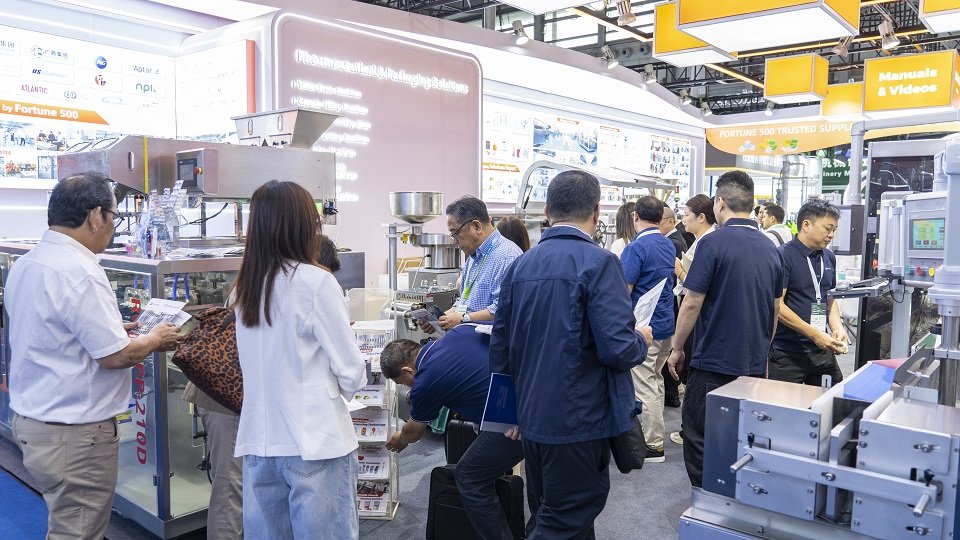
Rich Packing แสดงให้เห็นถึงความสามารถทางอุตสาหกรรมที่สอดคล้องกับวิสัยทัศน์ของ CPHI ในวันที่ 16 มิถุนายน Rich Packing ได้จัดการนำเสนอที่ยอดเยี่ยมของ บรรจุภัณฑ์ยาการสาธิตและโซลูชันระดับมืออาชีพสำหรับผู้เข้าชมจากทั่วโลกในวันแรกของ CPHI Shanghai 2026 ที่บูธ N1C10 ใน Shanghai New International Expo Center. ในฐานะหนึ่งในงานแสดงสินค้าที่ใหญ่ที่สุดและทรงอิทธิพลที่สุดของอุตสาหกรรมเภสัชกรรมในเอเชีย CPHI China ได้รวบรวมทั้งห่วงโซ่อุปทานของอุตสาหกรรมเภสัชกรรมไว้ด้วยกัน และเชื่อมโยงผู้ผลิต ซัพพลายเออร์ และผู้ซื้อไว้ในแพลตฟอร์มธุรกิจแบบบูรณาการเดียว ตั้งแต่ผู้นำอุตสาหกรรมไปจนถึงสตาร์ทอัพและ SME งานสำคัญนี้ได้สร้างเครือข่ายระดับนานาชาติที่มีผู้เข้าร่วมมากกว่า 110,000 คน และผู้แสดงสินค้ามากกว่า 3600 รายทั่วโลก ไม่ใช่เพียงแค่งานนิทรรศการเท่านั้น แต่ยังเป็นงานเชิงกลยุทธ์ของอุตสาหกรรมที่สะท้อนบทบาทของจีนในฐานะศูนย์กลางการผลิตเภสัชกรรมระดับโลก และส่งเสริมแนวคิดด้านการผลิตขั้นสูงและความร่วมมือระหว่างประเทศ สอดคล้องอย่างสมบูรณ์กับวิสัยทัศน์ของ CPHI Shanghai 2026 Rich Packing ได้นำเสนอความเป็นนวัตกรรม ความสามารถทางอุตสาหกรรม และโซลูชันระดับมืออาชีพด้วยเครื่องจักรบรรจุภัณฑ์ขั้นสูงในงานนี้ ตั้งแต่เครื่องจักรเภสัชกรรม เช่น เครื่องอัดเม็ดยา และเครื่องบรรจุแคปซูลอัตโนมัติ ไปจนถึงเครื่องจักรบรรจุภัณฑ์ เช่น เครื่องบลิสเตอร์แพ็ก และสายการนับแคปซูลและเม็ดยา Rich Packing ได้มอบโซลูชันการบรรจุภัณฑ์ที่หลากหลายและปรับแต่งได้สำหรับสถานการณ์การใช้งานและความต้องการของลูกค้าที่แตกต่างกัน ไฮไลท์: การนำเสนอโซลูชันที่สามารถใช้งานได้ผ่านการสาธิตการทำงานแบบสด ระหว่างการจัดนิทรรศการ การสาธิตการทำงานภาคสนามของ Rich Packing ได้ดึงดูดผู้เข้าชม ผู้ซื้อ และผู้ผลิตยา จากทั่วโลก โดยมีการจัดแสดงอุปกรณ์เภสัชกรรมและบรรจุภัณฑ์หลากหลายประเภท ได้แก่: ● เครื่องอัดเม็ดยาความเร็วสูง HGZP-55D ● เครื่องเรียงขวด + เครื่องนับแบบ 16 ช่องพร้อมระบบตรวจจับและคัดทิ้ง + เครื่องปิดฝา + เครื่องติดฉลาก ● เครื่องบรรจุแบบแท่ง 8 ช่อง ● เครื่องบรรจุแคปซูลอัตโนมัติ NJP-400C และ NJP-1500D ● เครื่องบรรจุแผงบลิสเตอร์ DPP-90R และ DPP-270Max ● เครื่องคัดแยกถุง + เครื่องนับถุง + เครื่องตรวจสอบทิศทางด้วยภาพ ● เครื่องบรรจุถุงสำเร็จรูปแบบแนวนอน ผู้เข้าชมกำลังเรียนรู้เกี่ยวกับผลิตภัณฑ์ของ Rich Packing ในบรรดาเครื่องจักรเหล่านี้ เครื่องอัดเม็ดยาความเร็วสูงเป็นหนึ่งในอุปกรณ์ที่ได้รับความนิยมมากที่สุด ระหว่างการจัดนิทรรศการ ผู้เข้าชมรวมถึงผู้ซื้อและผู้ผลิตได้หารือประเด็นทั่วไปหลายประการเกี่ยวกับเครื่องอัดเม็ดยากับทีม Rich Packing เพื่อตอบสนองต่อความท้าทาย เช่น คุณภาพเม็ดยาที่ไม่ดีและความยุ่งยากในการเปลี่ยนแม่พิมพ์ Rich Packing ได้เสนอวิธีแก้ปัญหาเฉพาะทางผ่านการสาธิตการทำงานของอุปกรณ์จริง ในแง่นี้ ผู้เข้าชมได้รับข้อมูลอย่างครบถ้วนเกี่ยวกับเทคโนโลยีควบคุมเซอร์โวขั้นสูงและการออกแบบแบบโมดูลาร์ของเครื่องอัดเม็ดยา HGZP-55D ของ Rich Packing และประทับใจในความเป็นมืออาชีพของทีมงานเป็นอย่างมาก ความก้าวหน้าที่ดีเกิดขึ้นจากการสนทนาอย่างเป็นมิตร นอกจากนี้ สายการนับแคปซูลและเม็ดยาแบบครบชุด ซึ่งประกอบด้วยเครื่องเรียงขวด เครื่องนับแบบ 16 ช่องพร้อมระบบตรวจจับและคัดทิ้ง เครื่องปิดฝา และเครื่องติดฉลาก ก็ได้รับความสนใจเป็นอย่างมาก โดยเฉพาะระบบนับกัมมี่แบบ 16 ช่องมีโซลูชันพิเศษสำหรับความไม่แม่นยำในการนับที่เกิดจากคุณสมบัติความเหนียวของกัมมี่ ลูกกลิ้ง...
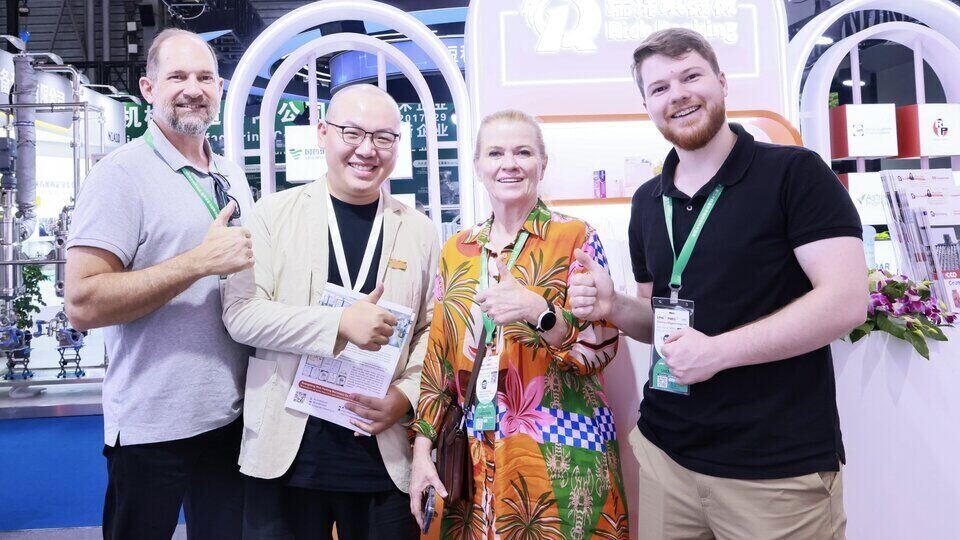
มีผู้เข้าชมเกือบ 1,000 คน คำสอบถามจริงจังมากกว่า 50 รายการ และมีการตกลงข้อตกลงหน้างานหลายรายการ ส่งผลให้เกิดการปิดท้ายที่แข็งแกร่งสำหรับผู้เชี่ยวชาญด้านเครื่องจักรบรรจุภัณฑ์ยา Rich Packing ปิดท้ายการเดินทางนิทรรศการสามวันที่มีประสิทธิภาพ เมื่อ CPHI Shanghai 2026 สิ้นสุดลงอย่างเป็นทางการที่ Shanghai New International Expo Centre Guangdong Rich Packing ได้ปิดฉากการเดินทางนิทรรศการสามวันได้อย่างประสบความสำเร็จ พร้อมการมีส่วนร่วมจากนานาชาติอย่างแข็งแกร่ง การติดตามพูดคุยกับลูกค้าอย่างต่อเนื่อง และโอกาสความร่วมมือใหม่ ๆ ที่กำลังเกิดขึ้นหลายรายการ เยี่ยมชมโรงงานสำหรับ เครื่องบรรจุกล่อง (RQ-ZH-130W) ยืนยันแล้ว รอคอยที่จะได้พูดคุยต่อ ในวันสุดท้ายของงาน บูธของบริษัทยังคงดึงดูดผู้เข้าชมมืออาชีพจากทั้งอุตสาหกรรมยาภายในประเทศและต่างประเทศ สะท้อนถึงความสนใจอย่างต่อเนื่องของตลาดต่อโซลูชันบรรจุภัณฑ์ยาอัจฉริยะและระบบอัตโนมัติ เมื่อเทียบกับสองวันแรกของนิทรรศการ วันที่ 3 เน้นการนัดพบเพื่อติดตามผล การปรึกษาทางเทคนิคเชิงลึก และการประเมินการผลิตเชิงปฏิบัติ ผู้เข้าชมจำนวนมากที่เคยแวะที่บูธก่อนหน้านี้ได้กลับมาอีกครั้งพร้อมคำถามที่เฉพาะเจาะจงมากขึ้น ตัวอย่างผลิตภัณฑ์จริง และความต้องการการผลิตแบบกำหนดเอง ซึ่งบ่งชี้ถึงการเปลี่ยนผ่านที่ชัดเจนจากความสนใจเบื้องต้นไปสู่การหารือเพื่อการจัดซื้อที่เป็นรูปธรรม การสาธิตอุปกรณ์แบบสดยังคงดึงดูดผู้ซื้อมืออาชีพ หนึ่งในไฮไลต์ที่โดดเด่นที่สุดของวันสุดท้ายของงานนิทรรศการคือจำนวนลูกค้าที่เพิ่มขึ้นซึ่งนำขวด แคปซูล และวัสดุบรรจุภัณฑ์ของตนเองมาเพื่อทดสอบอุปกรณ์แบบสด ระบบนับด้วยภาพของ Rich Packing "สายการนับแบบภาพ" ระบบบรรจุภัณฑ์แบบพุพอง, และ อุปกรณ์แปรรูปเม็ดยา ยังคงเป็นหนึ่งในโซลูชันที่ถูกสาธิตบ่อยที่สุดตลอดทั้งวัน ผู้เข้าชมรายหนึ่งแสดงขวดของตนเอง เราตรวจสอบขนาดร่วมกันเพื่อให้แน่ใจว่าเหมาะสมอย่างสมบูรณ์แบบสำหรับเครื่องบรรจุกัมมี่ของเรา (RQ-DSL-16C) ระหว่างการสาธิตหน้างาน ผู้จัดซื้อจากบริษัทเภสัชกรรมในประเทศรายหนึ่งกลับมาเยี่ยมบูธอีกครั้งพร้อมนำขวดที่มีรูปทรงไม่สม่ำเสมอซึ่งใช้ในกระบวนการผลิตของโรงงานของเขา หลังจากทำการทดสอบแบบสดโดยใช้ระบบนับด้วยภาพของ Rich Packing ลูกค้าแสดงความพึงพอใจกับความเสถียรของเครื่อง ความแม่นยำในการนับ และความสามารถในการปรับตัวกับรูปทรงขวดที่ไม่เป็นมาตรฐาน วิศวกรทางเทคนิคของบริษัทอธิบายว่าระบบการจดจำภาพอัจฉริยะรองรับรูปทรงขวดและประเภทวัสดุที่แตกต่างกันได้อย่างไร ในขณะที่ยังคงประสิทธิภาพการทำงานและความแม่นยำ หลังจากการทดสอบสำเร็จ ลูกค้าได้เริ่มการหารือเบื้องต้นเกี่ยวกับการจัดซื้อ และขอรายละเอียดกำหนดการส่งมอบเพิ่มเติมและข้อมูลใบเสนอราคา วิศวกรของเรากำลังสนทนาอย่างลึกซึ้งกับผู้เข้าชมเกี่ยวกับ เครื่องบรรจุแคปซูลอัตโนมัติเต็มรูปแบบ (NJP-1500D) ตอบคำถามทางเทคนิค ณ จุดนั้น กิจกรรมการทดสอบเชิงปฏิบัติเหล่านี้กลายเป็นจุดเด่นของวันที่ 3 เนื่องจากผู้ผลิตยาหลายรายให้ความสำคัญกับการตรวจสอบความเข้ากันได้ในการผลิตจริงและประสิทธิภาพการดำเนินงานระยะยาว การหารือความร่วมมือของลูกค้าต่างประเทศมีความคืบหน้า วันสุดท้ายยังเห็นลูกค้าต่างประเทศจำนวนมากกลับมาเพื่อหารือรอบที่สองเกี่ยวกับการติดตั้ง การบริการหลังการขาย และโอกาสความร่วมมือระยะยาว ลูกค้าด้านเภสัชกรรมจากประเทศไทยกลับมาเยี่ยมบูธพร้อมล่ามเพื่อยืนยันกำหนดการติดตั้งอุปกรณ์ ขั้นตอนการฝึกอบรมวิศวกร และความสามารถด้านการจัดหาชิ้นส่วนอะไหล่ ระหว่างการประชุ...
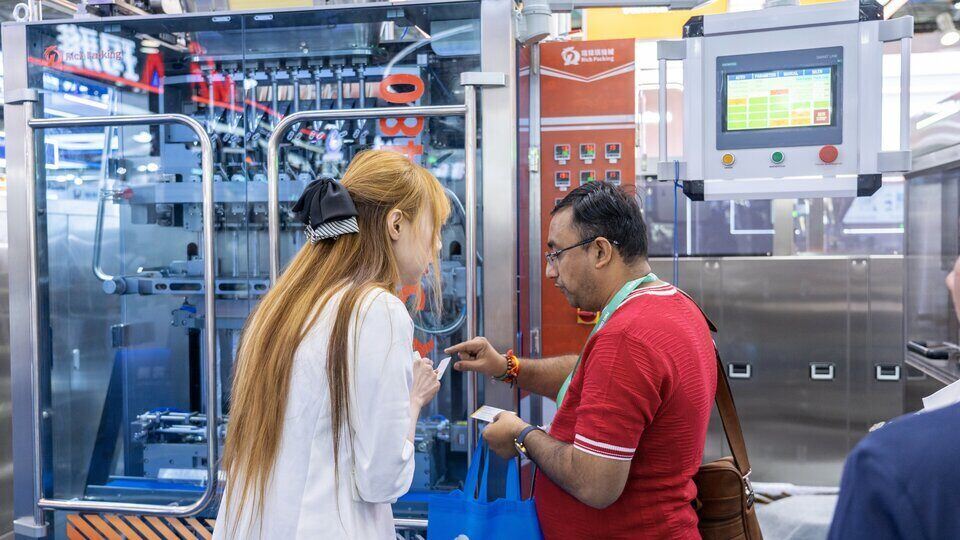
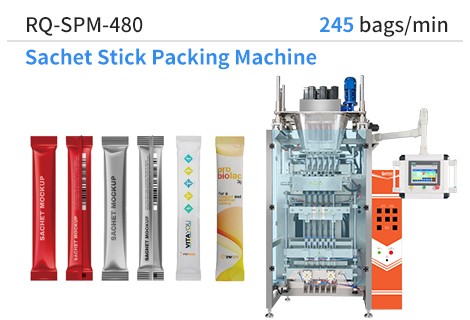
การหารือทางเทคนิคเชิงลึกและโอกาสความร่วมมือที่เกิดขึ้นใหม่ เน้นย้ำถึงความสนใจระหว่างประเทศที่เพิ่มขึ้นในโซลูชันบรรจุภัณฑ์ยาสำหรับเภสัชกรรมแบบอัตโนมัติ Guangdong Rich Packing ยังคงเข้าร่วมงาน CPHI Shanghai 2026 อย่างแข็งขันในวันที่สองของงานนิทรรศการ โดยได้ขยายการมีส่วนร่วมระหว่างประเทศเพิ่มเติม และเร่งการหารือทางธุรกิจเชิงลึกกับผู้ผลิตและผู้จัดจำหน่ายยาทั่วโลกอย่างต่อเนื่อง ตั้งอยู่ในหนึ่งในโซนโซลูชันบรรจุภัณฑ์ยาหลักของ Shanghai New International Expo Centre บูธของบริษัทสามารถดึงดูดผู้เข้าชมระดับมืออาชีพจากยุโรป อเมริกาเหนือ เอเชียตะวันออกเฉียงใต้ และแอฟริกาอย่างต่อเนื่อง สะท้อนให้เห็นถึงความสนใจระดับโลกที่แข็งแกร่งในเทคโนโลยีบรรจุภัณฑ์ยาขั้นสูง ความสอดคล้องตามมาตรฐานและความแม่นยำของเครื่องแพ็คแบบสติ๊ก (RQ-SPM-480) ได้มีการหารือร่วมกับผู้เข้าชม เมื่อเทียบกับวันเปิดงาน วันที่ 2 แสดงให้เห็นถึงการเปลี่ยนแปลงที่ชัดเจนจากการแนะนำผลิตภัณฑ์เบื้องต้นไปสู่การสื่อสารทางเทคนิคและการเจรจาธุรกิจที่มีความเฉพาะเจาะจงมากขึ้น ผู้เข้าชมแสดงความสนใจเพิ่มขึ้นในโซลูชันที่ตอบโจทย์การใช้งาน โดยเฉพาะระบบบรรจุภัณฑ์ยาสำหรับเภสัชกรรมแบบอัตโนมัติที่ออกแบบสำหรับสภาพแวดล้อมการผลิตที่หลากหลาย ทีมงาน Rich Packing ได้มีการพูดคุยกับผู้เชี่ยวชาญในอุตสาหกรรมจากหลายกลุ่มตลาด รวมถึงผู้ผลิตยาขนาดใหญ่ โรงงานรับจ้างผลิต และพันธมิตรด้านการจัดจำหน่ายในระดับภูมิภาค ซึ่งทั้งหมดกำลังมองหาโซลูชันบรรจุภัณฑ์ที่เชื่อถือได้ เป็นไปตามมาตรฐาน และมีประสิทธิภาพ โซลูชันบรรจุภัณฑ์ที่เป็นไปตาม GMP และระบบอัตโนมัติขั้นสูงที่นำเสนอ ตลอดทั้งวัน Rich Packing ได้เน้นจุดแข็งหลักด้านระบบอัตโนมัติสำหรับบรรจุภัณฑ์ยา โดยให้ความสำคัญกับเสถียรภาพของระบบ ประสิทธิภาพในการดำเนินงาน และการปฏิบัติตามมาตรฐาน GMP และมาตรฐานเภสัชกรรมสากล การสาธิตการทำงานของเครื่องจักรบรรจุภัณฑ์แบบสดช่วยให้ผู้เข้าชมเข้าใจศักยภาพทางวิศวกรรมของบริษัทได้ชัดเจนยิ่งขึ้น รวมถึงการประสานงานของเวิร์กโฟลว์แบบบูรณาการ ความแม่นยำในการจัดการวัสดุ และระบบสนับสนุนการตรวจสอบคุณภาพ การหารือทางเทคนิคกับผู้เข้าชมต่างชาติที่บูธ N1C10 ความต้องการที่เพิ่มขึ้นสำหรับโซลูชันการผลิตที่ยืดหยุ่นและอัจฉริยะ นอกจากประสิทธิภาพของอุปกรณ์แล้ว บริษัทยังให้ความสำคัญอย่างมากกับโซลูชันการผลิตที่ยืดหยุ่น เพื่อตอบสนองความต้องการที่เพิ่มขึ้นของการผลิตยาขนาดเล็กและหลากหลายชนิด ขณะที่บริษัทเภสัชกรรมทั่วโลกยังคงปรับปรุงประสิทธิภาพการผลิตและลดเวลาหยุดเปลี่ยนสายการผลิต โซลูชันของ Rich Packing ได้รับความสนใจเป็นพิเศษในด้านความสามารถในการปรับตัวและความยืดหยุ่นในการดำเนินงาน การหารือความร่วมมือเบื้องต้นกับลูกค้าเภสัชกรรมทั่วโลก วันที่ 2 ถือเป็นการยกระดับที่สำคัญของกิจกรรมพัฒนาธุรกิจ เนื่องจากโอกาสความร่วมมือที่เป็นไปได้หลายรายการได้พัฒนาไปสู่การหารือที่มีโครงสร้าง ผู้เข้าชมจากบังกลาเทศ ซึ่งแสดงความสนใจเป็นพิเศษในความสามารถของ RQ-HGZP-40Dเครื่องอัดเม็ดยาความเร็วสูง ในการรองรับแม่พิมพ์ที่หลากหลาย เครื่องนี้สามารถผลิตยาเม็ดได้อย่างเสถียรและรวดเร็ว และเพียงเปลี่ยนแม่พิมพ์ก็สามารถผลิตรูปแบบยาเม็ดที่แตกต่างกันได้ ผู้เข้าชมจากบังกลาเทศได้สอบถามเพิ่มเติมเกี่ยวกับราคาและการสนับสนุนการติดตั้ง เครื่องอัดเม็ดยาความเร็วสูง พร้อมความสามารถในการเปลี่ยนแม่พิมพ์อย่างยืดหยุ่น บริษัทเภสัชกรรมจากมาเลเซียแสดงความสนใจอย่างมากในสายการนับกัมมี่แบบ 16 เลน ผู้เข้าชมประทับใจเป็นพิเศษกับค...
ความสนใจระดับโลกอย่างมาก เมื่อ Rich Packing นำเสนอ โซลูชันบรรจุภัณฑ์เภสัชกรรมขั้นสูงในวันเปิดงาน Rich Packing เปิดบูธอย่างเป็นทางการที่ CPHI Shanghai 2026 ในวันนี้ โดยต้อนรับผู้เยี่ยมชมจากอุตสาหกรรมเภสัชกรรม โภชนเภสัช และลูกกวาด ณ บูธ N1C10 เพื่อชมการสาธิตเครื่องจักรแบบสด การแลกเปลี่ยนทางเทคนิค และการให้คำปรึกษาโซลูชันบรรจุภัณฑ์แบบปรับแต่งเฉพาะ ในฐานะหนึ่งในงานที่ทรงอิทธิพลที่สุดในอุตสาหกรรมเภสัชกรรมระดับโลก CPHI Shanghai ยังคงรวบรวมผู้ผลิตที่แสวงหาระบบอัตโนมัติที่ชาญฉลาดกว่า การผลิตความเร็วสูงที่เสถียร และตัวเลือกบรรจุภัณฑ์ที่ยืดหยุ่นมากขึ้น การหารือทางเทคนิคและการสาธิตสด ณ บูธ N1C10 ในวันเปิดงาน บูธได้รับความสนใจอย่างต่อเนื่องจากผู้เยี่ยมชมจากนานาชาติที่สนใจสายการนับกัมมี่ 16 ช่องเครื่องอัดเม็ดยาความเร็วสูง,เครื่องบรรจุแคปซูลอัตโนมัติเต็มรูปแบบ,ระบบบรรจุภัณฑ์แบบพุพอง. ผู้เยี่ยมชมจำนวนมากรวมตัวกันรอบเครื่องสาธิตเพื่อชมการสาธิตการผลิตสด และพูดคุยเกี่ยวกับข้อกำหนดการผลิตของตนโดยตรงกับทีมวิศวกรรมและฝ่ายขายของ Rich Packing การสาธิตสดเน้นโซลูชันต่อความท้าทายในการผลิตจริง หนึ่งในไฮไลต์สำคัญของบูธคือการทำงานสดของเครื่องนับกัมมี่ 16 ช่องที่เชื่อมต่อกับ ระบบบรรจุถุงสำเร็จรูป . ระหว่างการสาธิต ผู้เยี่ยมชมหลายรายได้แบ่งปันความท้าทายการผลิตทั่วไปที่พวกเขาพบในการบรรจุกัมมี่ รวมถึงผลิตภัณฑ์ที่เหนียวทำให้ความแม่นยำในการนับคลาดเคลื่อน ประสิทธิภาพการบรรจุถุงไม่เสถียร และต้นทุนแรงงานที่เพิ่มขึ้นจากกระบวนการบรรจุแบบใช้แรงงานคน เพื่อตอบสนองต่อข้อกังวลเหล่านี้ ทีม Rich Packing ได้นำเสนอว่า ระบบการนับกัมมี่ 16 ช่องช่วยเพิ่มประสิทธิภาพการนับและรักษาการทำงานที่เสถียรผ่านเทคโนโลยีควบคุมการนับอัจฉริยะ และช่องทางที่มีโครงสร้างแบบ Teflon ผู้เยี่ยมชมยังแสดงความสนใจอย่างมากต่อการออกแบบเลย์เอาต์ที่กะทัดรัดของเครื่อง ซึ่งสามารถปรับให้เข้ากับสภาพแวดล้อมโรงงานที่แตกต่างกันได้อย่างยืดหยุ่น พร้อมลดการแทรกแซงด้วยแรงงานคนและเพิ่มประสิทธิภาพการผลิตโดยรวม ผู้เยี่ยมชมสังเกตการทำงานสดของสายเครื่องนับกัมมี่ 16 ช่อง เครื่องอัดเม็ดยาความเร็วสูง ZP-55D ยังกลายเป็นจุดสนใจสำคัญในวันแรกของงานนิทรรศการ ระหว่างการพูดคุยกับผู้เยี่ยมชม ผู้ผลิตยาและโภชนเภสัชได้กล่าวถึงความท้าทายที่เกี่ยวข้องกับการเปลี่ยนแม่พิมพ์บ่อยครั้ง คุณภาพเม็ดยาที่ไม่สม่ำเสมอระหว่างการผลิตความเร็วสูง และความยากลำบากในการจัดการรูปแบบเม็ดยาหลายชนิดภายในสายการผลิตเดียวกัน เพื่อตอบสนองต่อข้อกังวลเหล่านี้ เจ้าหน้าที่ Rich Packing ได้สาธิตเทคโนโลยีการควบคุมแบบเซอร์โว ระบบปฏิบัติการหน้าจอสัมผัสอัจฉริยะ และโซลูชันการเปลี่ยนการผลิตที่หลากหลาย เครื่องอัดเม็ดยา ZP-55D รองรับการผลิตเม็ดยาทรงกลม วงแหวน รูปทรงไม่ปกติ แบบสองชั้น และสามชั้น ขณะยังคงประสิทธิภาพความเร็วสูงที่เสถียร ผู้เยี่ยมชมแสดงความสนใจเป็นพิเศษต่อความยืดหยุ่นของเครื่องสำหรับสภาพแวดล้อมการผลิตหลายผลิตภัณฑ์ และความสามารถในการเพิ่มความสม่ำเสมอในการผลิตพร้อมลดเวลาหยุดเครื่อง ผู้เยี่ยมชมหารือโซลูชันการผลิตเม็ดยากับทีม Rich Packing ระหว่างการสาธิตเครื่องอัดเม็ดยา ZP-55D เครื่องจักรที่โดดเด่นอีกหนึ่งรายการในงานนิทรรศการคือเครื่องบรรจุแคปซูลอัตโนมัติเต็มรูปแบบรุ่น NJP-1500D ที่ได้รับการรับรอง GMP ซึ่งดึงดูดความสนใจจากผู้เยี่ยมชมที่ต้องการประสิทธิภาพการบรรจุแคปซูลที่เสถียรยิ่งขึ้น และลดการสูญเสียวัตถุดิบระหว่างการผลิตต่อเนื่อง ผู้ผลิตยาบางรายได้แสดงค...
29 พฤษภาคม 2026 Rich Packing จะเข้าร่วมงาน CPHI Shanghai 2026 ระหว่างวันที่ 16–18 มิถุนายน ณ Booth N1C10 โดยนำเสนอโซลูชันบรรจุภัณฑ์ยาและโภชนเภสัชอัจฉริยะหลากหลายรูปแบบ ที่ออกแบบมาสำหรับการผลิตที่ยืดหยุ่น การทำงานความเร็วสูง และประสิทธิภาพที่เสถียรในระยะยาว ยินดีต้อนรับสู่ Rich Packing! ในขณะที่ผู้ผลิตทั่วโลกยังคงต้องการระบบอัตโนมัติที่สูงขึ้น ประสิทธิภาพการผลิตที่รวดเร็วขึ้น และความสามารถด้านบรรจุภัณฑ์ที่ยืดหยุ่นมากขึ้น Rich Packing มุ่งมั่นที่จะนำเสนอโซลูชันบรรจุภัณฑ์แบบปรับแต่งได้ ซึ่งเหมาะสำหรับขนาดการผลิตที่แตกต่างกัน ตั้งแต่การผลิตแบบล็อตเล็กไปจนถึงการผลิตขนาดใหญ่ หรือผู้ผลิตที่กำลังพิจารณาขยายสายการผลิตของตน ในงานนิทรรศการ CPHI ปีนี้ Rich Packing จะนำเสนอเครื่องจักรหลักจำนวนมากและสายการบรรจุแบบครบวงจร ผ่านการสาธิตสดและการพูดคุยทางเทคนิค ณ สถานที่ 4 อุปกรณ์เด่นในงาน CPHI Shanghai 2026 เครื่องนับกัมมี่ 16 ช่อง พร้อมสายการบรรจุถุงสำเร็จรูป หนึ่งในไฮไลต์สำคัญที่บูธคือเครื่อง 16 ช่องสายการนับกัมมี่, ที่เชื่อมต่อกับ เครื่องบรรจุถุงสำเร็จรูป. สายการผลิตนี้เหมาะสำหรับการนับและบรรจุกัมมี่ แคปซูล และเม็ดยาดูแลสุขภาพอื่น ๆ ไม่เพียงช่วยลดแรงงานคน แต่ยังให้ระบบอัตโนมัติสูง ความแม่นยำในการนับที่เสถียร และกำลังการผลิตสูง สายเครื่องนับกัมมี่ 16 ช่อง เครื่องอัดเม็ดยาความเร็วสูง 55D เครื่อง 55Dเครื่องอัดเม็ดยาความเร็วสูงจะแสดงศักยภาพของ Rich Packing ในการผลิตเม็ดยาปริมาณสูง เครื่องรองรับรูปแบบเม็ดยาหลายประเภท รวมถึงเม็ดยาทรงกลม เม็ดยารูปทรงไม่สม่ำเสมอ เม็ดยาสองชั้น และเม็ดยาสามชั้น ยืดหยุ่นต่อความต้องการของผู้ผลิตยาและโภชนเภสัช ด้วยเทคโนโลยีเซอร์โวคอนโทรล หน้าจอสัมผัสอัจฉริยะ และการออกแบบเปลี่ยนรูปแบบได้อย่างรวดเร็ว เครื่องช่วยให้ลูกค้าปรับปรุงเสถียรภาพการผลิตและลดเวลาหยุดเครื่องระหว่างการเปลี่ยนรูปแบบ เครื่องอัดเม็ดยาความเร็วสูง ZP-25/55D เครื่องบรรจุแคปซูลอัตโนมัติ 1500D เครื่อง 1500Dเครื่องบรรจุแคปซูลอัตโนมัติเต็มรูปแบบถูกออกแบบมาสำหรับการผลิตแคปซูลที่รวดเร็วและเชื่อถือได้ พร้อมฟังก์ชันคัดทิ้งอัตโนมัติสำหรับแคปซูลที่บรรจุไม่สมบูรณ์ เครื่องช่วยให้มั่นใจในคุณภาพสินค้าที่เสถียร พร้อมเพิ่มประสิทธิภาพการดำเนินงาน 1500D สอดคล้องตาม GMP พร้อมระบบป้อนวัตถุดิบที่เสถียร และการออกแบบที่บำรุงรักษาต่ำ ทำให้เหมาะสำหรับการผลิตยาระยะยาว เครื่องบรรจุแคปซูลอัตโนมัติ 1500D เครื่องบรรจุพุพอง 270Max Rich Packing จะนำเสนอเครื่อง 270Maxเครื่องบรรจุพุพอง, ออกแบบมาสำหรับการบรรจุพุพองที่เสถียรและต่อเนื่องสำหรับทั้งผลิตภัณฑ์ชนิดแข็งและของเหลว นอกจากนี้ รูปแบบบรรจุภัณฑ์ยังรวมถึง อลูมิเนียม-อลูมิเนียม และ อลูมิเนียม-พลาสติก เครื่องมีการทำงานที่เสถียร ระบบควบคุมอัจฉริยะ และตัวเลือกบรรจุภัณฑ์ที่ยืดหยุ่นสำหรับผลิตภัณฑ์ยาและสุขภาพหลากหลายประเภท เช่น แคปซูล และเข็มฉีดยา เครื่องบรรจุพุพอง 270Max โซลูชันบรรจุภัณฑ์ครบวงจรสำหรับความต้องการการผลิตที่หลากหลาย นอกจากนี้ นอกเหนือจากเครื่องจักรที่เป็นไฮไลต์ จะมีการนำเสนอในงาน CPHI Shanghai 2026 Rich Packing ยังจะแสดงกลุ่มเครื่องจักรบรรจุภัณฑ์และเครื่องจักรแปรรูปยาที่ครอบคลุม รวมถึง: ● เครื่องอัดเม็ดยาความเร็วสูง 26D ● เครื่องบรรจุแคปซูลอัตโนมัติ 400C ● เครื่องบรรจุถุงสำเร็จรูปแนวนอน ● เครื่องเรียงขวด + เครื่องนับแบบภาพ 16 ช่องพร้อมฟังก์ชันคัดทิ้ง + เครื่องปิดฝา + เครื่องติดฉลาก ● เครื่องบรรจุพุพอง 90R ● เครื...

ประเทศจีน, 25 ธันวาคม 2025 เมื่อฤดูหนาวมาเยือนและเทศกาลคริสต์มาสใกล้เข้ามา จังหวะการเยี่ยมชมโรงงานตามปกติก็เริ่มลดลง อย่างไรก็ตาม สำหรับริช แพ็คกิ้ง ช่วงเวลาที่เงียบสงบนี้ไม่ใช่การหยุดชะงัก แต่เป็นโอกาสเชิงกลยุทธ์ในการเสริมสร้างรากฐาน กระชับความสัมพันธ์กับลูกค้า และเตรียมพร้อมสำหรับปีข้างหน้า การเยี่ยมชมที่ทรงคุณค่า: ลูกค้าจากฮ่องกงได้รับความรู้เชิงปฏิบัติเกี่ยวกับการใช้งานเครื่องอัดเม็ดยา คู่มือการใช้งานเครื่องอัดเม็ดยา แม้ว่าจำนวนการเยือนอาจลดลง แต่ความมุ่งมั่นของ Rich Packing ในการแลกเปลี่ยนทางเทคนิคยังคงไม่เปลี่ยนแปลง เมื่อเร็วๆ นี้ คาร์ล ลูกค้าจากฮ่องกง ได้มาเยี่ยมชมบริษัทริช แพคกิ้ง เพื่อเข้าร่วมการฝึกอบรมเชิงลึกแบบลงมือปฏิบัติจริง โดยเน้นที่เทคโนโลยีเครื่องอัดเม็ดยา การเยี่ยมชมครั้งนี้มุ่งเน้นไปที่... เครื่องอัดเม็ดยา HGZP-26D ซึ่งคาร์ลได้ซื้อไว้ก่อนหน้านี้แล้ว แต่ยังไม่เชี่ยวชาญการใช้งานอย่างเต็มที่ แมรี่ ผู้จัดการทั่วไปฝ่ายขายระหว่างประเทศ ร่วมกับหัวหน้าวิศวกร วิคเตอร์ หยาง และทีมงานด้านเทคนิค ได้ให้คำแนะนำอย่างครอบคลุม ณ สถานที่จริง การฝึกอบรมครอบคลุมขั้นตอนการทำงานทั้งหมด ตั้งแต่โครงสร้างและการเดินสายไฟของเครื่องอัดเม็ดยา ไปจนถึงการติดตั้งชิ้นส่วน การทดสอบระบบ การถอดประกอบ และการบำรุงรักษาตามปกติ เพื่อให้มั่นใจได้ถึงความเข้าใจที่สมบูรณ์และใช้งานได้จริง ตลอดการประชุม คาร์ลได้หยิบยกประเด็นด้านการปฏิบัติงานขึ้นมาถามอย่างต่อเนื่อง: คำถามที่ 1: ควรพิจารณาอะไรบ้างเมื่อปรับน้ำหนักเม็ดยาของเครื่องผลิตเม็ดยา? A: 1) หากน้ำหนักเม็ดยาไม่เพียงพอ ให้เพิ่มการตั้งค่าการป้อนยาในขณะที่ลดการอัดล่วงหน้า หากน้ำหนักเม็ดยามากเกินไป ให้ลดการป้อนยาในขณะที่เพิ่มการอัดล่วงหน้า 2) สังเกตรูปทรงของเม็ดยา หากเม็ดยาไม่ขึ้นรูปทรงตามต้องการ ให้เพิ่มแรงอัดหลักเล็กน้อย 3) ในระหว่างการสุ่มตัวอย่าง ให้ตรวจสอบการเปลี่ยนแปลงของแรงดันบนหน้าจอ ปล่อยให้เครื่องอัดเม็ดอัตโนมัติหมุนไปหลายรอบ และสุ่มตัวอย่างเฉพาะเมื่อแรงดันคงที่แล้วเท่านั้น คำถามที่ 2: ควรตรวจสอบอะไรบ้างก่อนเปลี่ยนไปใช้โหมดอัตโนมัติ? A: ต้องปรับน้ำหนักและความหนาของเม็ดยาให้เหมาะสมก่อน จากนั้นสังเกตค่าแรงดัน และปรับเปลี่ยนพารามิเตอร์อีกครั้งเมื่อแรงดันเฉลี่ยของหัวกดคงที่แล้ว Q3: การเปลี่ยนแม่พิมพ์ตรงกลางสะดวกหรือไม่? จำเป็นต้องใช้เครื่องมือหรือไม่? A: ใช่ และไม่จำเป็นต้องใช้เครื่องมือใดๆ ผู้ปฏิบัติงานเพียงคนเดียวก็สามารถดำเนินการให้เสร็จสิ้นได้ เครื่องอัดเม็ดยา เชื้อราจะเปลี่ยนรูปร่างภายใน 15 นาที เครื่องป้อนสุญญากาศ ระหว่างการสาธิต คาร์ลสังเกตเห็นวิศวกรใช้บันไดเพื่อถอดชิ้นส่วนออก เครื่องอัดเม็ดแบบหมุน เขาได้สอบถามเกี่ยวกับถังป้อนอาหารของสัตว์ทดลอง และแสดงความกังวลเกี่ยวกับข้อจำกัดด้านความสูงของเพดานในโรงงานที่ฮ่องกง หลังจากชี้แจงเงื่อนไขแล้ว วิคเตอร์ก็ให้ความมั่นใจกับเขาด้วยรอยยิ้ม: “หากความสูงของถังป้อนวัสดุเป็นปัญหา สามารถตัดส่วนป้อนวัสดุแบบสุญญากาศออกไปได้ ซึ่งจะช่วยลดความยาวของถังป้อนวัสดุลงได้อย่างมาก” เมื่อการเยี่ยมชมสิ้นสุดลง แมรี่ได้มอบของขวัญคริสต์มาสให้แก่คาร์ลในนามของบริษัทริช แพคกิ้ง ต่อมาคาร์ลได้เล่าถึงความประทับใจของเขาว่า: “นี่เป็นประสบการณ์การเรียนรู้ที่น่าจดจำอย่างแท้จริง คำอธิบายชัดเจนและนำไปใช้ได้จริง และของขวัญคริสต์มาสก็เป็นเซอร์ไพรส์ที่ยอดเยี่ยม” ของขวัญคริสต์มาสสำหรับลูกค้า ช่วงนอกฤดูกาลท่องเที่ยว กลยุทธ์ชาญฉลาด: การเพิ่มประสิทธิภาพเวิร์กช็อปเบื้องหลัง ในขณะที่การฝึกอบรมลูกค้าดำเนินอยู่บนพื้น...

ส่งอีเมล : manager@richpacking.cn
Building D, No. 226, Beishan Qiaotou Street, Haizhu District, Guangzhou City, Guangdong Province, China


 รองรับเครือข่าย IPv6






 บ้าน
บ้าน ผลิตภัณฑ์