






 บ้าน
บ้าน ผลิตภัณฑ์
29+ years in pharmaceutical machinery, covering capsule filling, tablet pressing, blister packaging, tablet and capsule counting, cartoning, GMP production, and overseas machine service.

ในการผลิตผลิตภัณฑ์ทางเภสัชกรรม การควบคุมสิ่งแปลกปลอมเป็นส่วนสำคัญของคุณภาพผลิตภัณฑ์และการควบคุมการปนเปื้อน เพื่อควบคุมการปนเปื้อนของโลหะ จึงมีการใช้ เครื่องตรวจจับโลหะ ซึ่งสามารถเพิ่มขั้นตอนการควบคุมโดยการตรวจจับสิ่งปนเปื้อนที่เป็นโลหะและคัดแยกผลิตภัณฑ์ที่ได้รับผลกระทบออกโดยอัตโนมัติ อย่างไรก็ตาม ไม่ใช่ทุกสายการผลิตที่จำเป็นต้องใช้เครื่องตรวจจับโลหะ การจะติดตั้งเครื่องตรวจจับโลหะหรือไม่นั้นขึ้นอยู่กับปัจจัยหลายประการ
บทความนี้ให้คำแนะนำเชิงปฏิบัติในการประเมินความจำเป็นสำหรับการตรวจจับโลหะในการผลิตแคปซูลและการผลิตยาเม็ด โดยครอบคลุมถึงปัจจัยสำคัญเบื้องหลังการตัดสินใจ แหล่งที่มาทั่วไปของการปนเปื้อนของโลหะ และวิธีทั่วไปในการรวมเครื่องตรวจจับโลหะเข้ากับสายการผลิต
ก่อนตัดสินใจว่าเครื่องตรวจจับโลหะมีความจำเป็นสำหรับสายการผลิตหรือไม่ สิ่งสำคัญคือต้องเข้าใจก่อนว่าอุปกรณ์นี้ทำหน้าที่อะไรและมีความสามารถในการตรวจจับอย่างไร เครื่องตรวจจับโลหะไม่ใช่แค่อุปกรณ์ที่ "ตรวจสอบหาโลหะ" เท่านั้น แต่หลักการตรวจจับ ประเภทของโลหะที่ตรวจจับได้ และประสิทธิภาพการทำงานจริงล้วนส่งผลต่อวิธีการใช้งานในกระบวนการผลิตทางเภสัชกรรมและกระบวนการผลิตอื่นๆ
เครื่องตรวจจับโลหะทางเภสัชกรรมเป็นอุปกรณ์ตรวจสอบที่ใช้เพื่อตรวจจับสิ่งปนเปื้อนที่เป็นโลหะในผลิตภัณฑ์ทางเภสัชกรรม ผลิตภัณฑ์เสริมอาหาร อาหาร และผลิตภัณฑ์อื่นๆ เมื่อตรวจพบสิ่งปนเปื้อนที่เป็นโลหะ ระบบสามารถกระตุ้นกลไกการคัดแยกอัตโนมัติเพื่อแยกผลิตภัณฑ์ที่ได้รับผลกระทบออกจากผลิตภัณฑ์ที่ผ่านเกณฑ์
หลักการทำงานเกี่ยวข้องกับสนามแม่เหล็กไฟฟ้า ตัวส่งสัญญาณจะสร้างสนามแม่เหล็กไฟฟ้าภายในช่องเปิดของเครื่องตรวจจับ เมื่อมีสิ่งปนเปื้อนที่เป็นโลหะนำไฟฟ้าผ่านเข้ามา สัญญาณแม่เหล็กไฟฟ้าจะเปลี่ยนไป เครื่องตรวจจับจะวิเคราะห์สัญญาณนี้และตัดสินว่าตรงตามเกณฑ์การตรวจจับที่กำหนดไว้หรือไม่
ในสายการผลิต เครื่องตรวจจับโลหะไม่ได้เป็นเพียงอุปกรณ์แจ้งเตือนเท่านั้น ระบบที่สมบูรณ์มักประกอบด้วยหน่วยตรวจจับ ระบบประมวลผลสัญญาณ สายพานลำเลียงหรือกลไกการส่งผ่านผลิตภัณฑ์ และอุปกรณ์คัดแยกอัตโนมัติ
สำหรับการใช้งานทางเภสัชกรรม วัตถุประสงค์โดยทั่วไปคือเพื่อเพิ่มขั้นตอนการควบคุมการปนเปื้อนทางกายภาพ ไม่ได้เป็นการทดแทนมาตรการป้องกัน เช่น การควบคุมวัตถุดิบ การตรวจสอบอุปกรณ์ การบำรุงรักษาเชิงป้องกัน การทำความสะอาด การร่อน หรือขั้นตอนการควบคุมการปนเปื้อนอื่นๆ
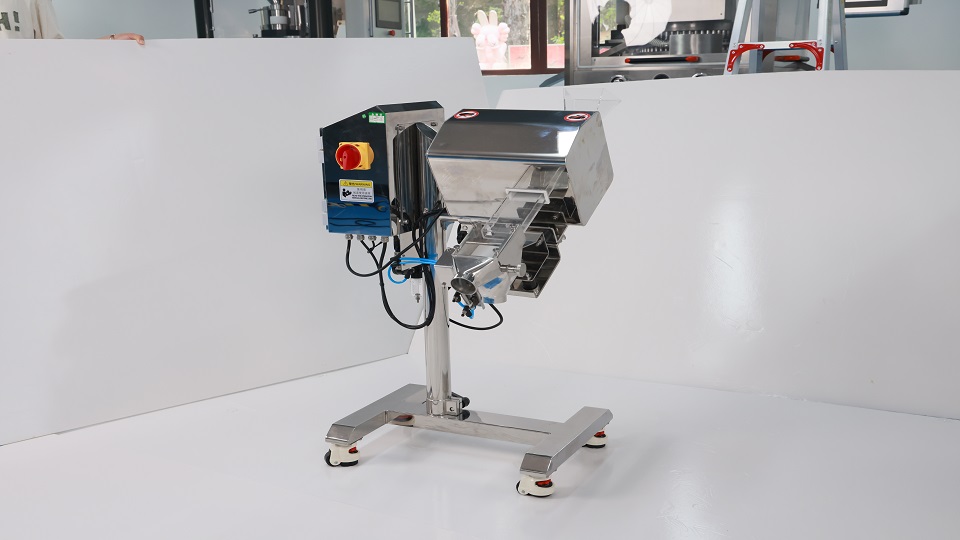 เครื่องตรวจจับโลหะของ Rich Packing
โดยทั่วไปเครื่องตรวจจับโลหะทางเภสัชกรรมได้รับการออกแบบมาเพื่อตรวจจับโลหะ 3 ประเภทหลักๆ ได้แก่:
ความไวในการตรวจจับเป็นหนึ่งในข้อกำหนดที่สำคัญที่สุดของเครื่องตรวจจับโลหะ แต่ไม่ควรพิจารณาเพียงอย่างเดียว
ความไวบ่งบอกถึงชิ้นงานทดสอบมาตรฐานที่เล็กที่สุดที่เครื่องตรวจจับสามารถตรวจจับได้อย่างน่าเชื่อถือภายใต้เงื่อนไขที่กำหนด ผู้ผลิตอาจใช้ชิ้นงานทดสอบที่แตกต่างกันสำหรับสิ่งปนเปื้อนที่เป็นโลหะกลุ่มเหล็ก โลหะนอกกลุ่มเหล็ก และสแตนเลส
ค่าการตรวจจับที่น้อยกว่ามักบ่งบอกถึงความสามารถในการตรวจจับที่สูงกว่า แต่ตัวเลขนี้ต้องเข้าใจในบริบทเสมอ ประสิทธิภาพจริงขึ้นอยู่กับผลิตภัณฑ์ ขนาดช่องเปิด เงื่อนไขการติดตั้ง ผลกระทบจากผลิตภัณฑ์ และประเภทของโลหะ
เครื่องตรวจจับควรคงประสิทธิภาพการตรวจจับที่สม่ำเสมอในระหว่างการผลิตอย่างต่อเนื่อง แทนที่จะบรรลุความไวที่ระบุไว้เฉพาะในระหว่างการสาธิตที่มีการควบคุม ประสิทธิภาพที่เสถียรมีความสำคัญอย่างยิ่งสำหรับการผลิตทางเภสัชกรรมเนื่องจากการผลิตอาจดำเนินต่อไปเป็นเวลานานและเครื่องจักรจำเป็นต้องแยกแยะสิ่งปนเปื้อนที่แท้จริงออกจากสัญญาณปกติของผลิตภัณฑ์
เครื่องตรวจจับโลหะไม่ควรเพียงแค่ตรวจจับสิ่งปนเปื้อนเท่านั้น แต่ยังต้องหลีกเลี่ยงการคัดแยกผลิตภัณฑ์ที่ผ่านเกณฑ์ออกโดยไม่จำเป็นด้วย การคัดแยกผิดพลาดที่มากเกินไปจะลดผลผลิตและอาจขัดจังหวะการผลิต ดังนั้น การสร้างสมดุลระหว่างความไวในการตรวจจับและความเสถียรจึงมีความสำคัญอย่างยิ่ง
ผลิตภัณฑ์ที่แตกต่างกันสามารถสร้างสัญญาณแม่เหล็กไฟฟ้าที่แตกต่างกันได้ ลักษณะของผลิตภัณฑ์ ขนาดผลิตภัณฑ์ ความชื้น การนำไฟฟ้า ความหนาแน่น และเงื่อนไขบรรจุภัณฑ์สามารถส่งผลต่อประสิทธิภาพของเครื่องตรวจจับได้ ด้วยเหตุนี้ เครื่องตรวจจับโลหะควรได้รับการทดสอบกับผลิตภัณฑ์จริงหรือตัวอย่างที่เป็นตัวแทนทุกครั้งที่เป็นไปได้ แทนที่จะประเมินตามข้อกำหนดความไวที่ระบุไว้เท่านั้น
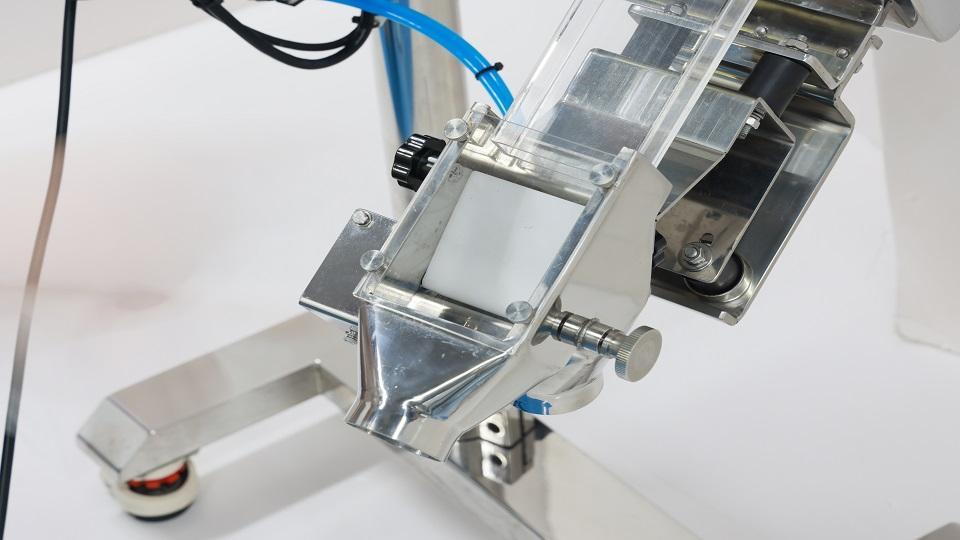 ช่องทางออกของเครื่องตรวจจับโลหะ
ความเข้าใจผิดที่พบบ่อยคือสายการผลิตยาเม็ด แคปซูล ผลิตภัณฑ์อาหาร หรืออาหารเสริมทุกสายต้องติดตั้งเครื่องตรวจจับโลหะ ในทางปฏิบัติ ไม่มีกฎสากลที่กำหนดให้ทุกสายการผลิตต้องใช้เครื่องตรวจจับโลหะ การตัดสินใจควรขึ้นอยู่กับผลิตภัณฑ์ กระบวนการ ตลาดเป้าหมาย กฎระเบียบที่เกี่ยวข้อง ความเสี่ยงในการปนเปื้อน และข้อกำหนดด้านคุณภาพ
|
ประเภทผลิตภัณฑ์ |
ผลิตภัณฑ์ทั่วไป |
ข้อกำหนดด้านคุณภาพและการควบคุมการปนเปื้อน |
คำแนะนำ |
|
ผลิตภัณฑ์ยาและผลิตภัณฑ์เสริมอาหารส่วนใหญ่ |
ยาเม็ด แคปซูล วิตามินเม็ด อาหารเสริมสมุนไพร ฯลฯ |
เข้มงวดมาก ผลิตภัณฑ์เหล่านี้อยู่ภายใต้ข้อกำหนดด้านคุณภาพและการควบคุมการปนเปื้อนที่เคร่งครัด |
ติดตั้งเครื่องตรวจจับโลหะ |
|
ผลิตภัณฑ์อาหาร |
เกลืออัดเม็ด เครื่องปรุงรสอัดเม็ด ลูกอมอัดเม็ด ผลิตภัณฑ์อาหารอัดเม็ด ฯลฯ |
เข้มงวด แต่ขึ้นอยู่กับความเสี่ยง ผู้ผลิตอาหารจำเป็นต้องควบคุมอันตรายทางกายภาพ และโลหะถือเป็นอันตรายทางกายภาพที่ได้รับการยอมรับในกระบวนการผลิตอาหาร |
ติดตั้งเครื่องตรวจจับโลหะเมื่อระบุได้ว่าโลหะเป็นอันตรายทางกายภาพที่เกี่ยวข้อง |
|
ผลิตภัณฑ์ของใช้ในครัวเรือนและผลิตภัณฑ์ทำความสะอาด |
ก้อนล้างจาน ก้อนผงซักฟอก ก้อนฆ่าเชื้อ ก้อนทำความสะอาด ฯลฯ |
ข้อกำหนดแตกต่างกันไปตามผลิตภัณฑ์และตลาด |
โดยทั่วไปไม่จำเป็นต้องใช้เครื่องตรวจจับโลหะ เว้นแต่จะมีความจำเป็นตามผลิตภัณฑ์หรือกระบวนการเฉพาะ |
|
ผลิตภัณฑ์สำหรับสัตว์และสุขภาพสัตว์ |
ยาเม็ดสำหรับสัตว์ ยารักษาสัตว์ อาหารเสริมสุขภาพสัตว์ ฯลฯ |
ข้อกำหนดสำหรับผลิตภัณฑ์สุขภาพสัตว์แตกต่างกันไปขึ้นอยู่กับการจำแนกประเภทและตลาด |
ประเมินตามความเสี่ยงสำหรับผลิตภัณฑ์สุขภาพสัตว์อื่นๆ |
หลังจากพิจารณาประเภทผลิตภัณฑ์แล้ว ผู้ผลิตควรพิจารณาตลาดเป้าหมาย ตลาดเภสัชกรรม เช่น สหรัฐอเมริกาและสหภาพยุโรป อยู่ภายใต้ข้อกำหนด GMP และการควบคุมคุณภาพที่ครอบคลุม และผู้ผลิตต้องแสดงให้เห็นว่าผลิตภัณฑ์ของตนได้รับการผลิตและควบคุมตามมาตรฐานคุณภาพที่กำหนดอย่างสม่ำเสมอ
ข้อกำหนดสำหรับการปนเปื้อนของโลหะทางกายภาพอาจมีความเกี่ยวข้องมากขึ้นเมื่อเลือกอุปกรณ์ในสายการผลิต ในบรรดาตลาดเภสัชกรรมหลัก สหภาพยุโรปให้คำแนะนำที่ชัดเจนเป็นพิเศษในประเด็นนี้ Q&A ของ EMA GMP ได้กล่าวถึงการตอกเม็ดยาและการบรรจุแคปซูลโดยเฉพาะ และตั้งข้อสังเกตว่าโลหะอาจมาจากวัตถุดิบหรือจากส่วนประกอบของอุปกรณ์ที่สร้างเศษโลหะเนื่องจากสภาพการทำงานหรือความเสียหายของอุปกรณ์
สำหรับกระบวนการผลิตที่มีแนวโน้มจะเกิดความเสี่ยงนี้ ขอแนะนำให้ใช้การตรวจจับโลหะ ผู้ผลิตที่เลือกไม่ใช้การตรวจจับโลหะตามปกติควรสามารถแสดงให้เห็นได้ว่าความเสี่ยงได้รับการระบุและควบคุมอย่างเพียงพอผ่านมาตรการอื่นๆ แล้ว
ตลาดสหรัฐฯ ยังดำเนินงานภายใต้ข้อกำหนด CGMP ของยาที่เข้มงวดและกำหนดให้ผู้ผลิตต้องสร้างการควบคุมที่เหมาะสมเพื่อป้องกันการปนเปื้อน อย่างไรก็ตาม โดยทั่วไปแล้ว FDA ไม่ได้กำหนดอุปกรณ์เฉพาะ เช่น เครื่องตรวจจับโลหะ สำหรับสายการผลิตยาแต่ละสาย แต่คาดหวังว่าอุปกรณ์และการควบคุมกระบวนการจะต้องเหมาะสมกับกระบวนการผลิตที่ตั้งใจไว้และข้อกำหนดด้านคุณภาพของกระบวนการนั้นๆ
ดังนั้น ตลาดเป้าหมายควรได้รับการปฏิบัติในฐานะปัจจัยสำคัญเมื่อกำหนดค่าสายการผลิต สำหรับผลิตภัณฑ์ยาที่มีไว้สำหรับตลาดที่มีการควบคุมสูง เช่น สหรัฐฯ และสหภาพยุโรป ผู้ผลิตควรใช้กลยุทธ์การควบคุมการปนเปื้อนที่แข็งแกร่งและพิจารณาอย่างจริงจังเกี่ยวกับการตรวจจับโลหะสำหรับกระบวนการตอกเม็ดยาและบรรจุแคปซูล
ผู้ผลิตอาจมีข้อกำหนดเพิ่มเติมที่เกิดจากระบบคุณภาพภายใน ข้อมูลจำเพาะของผลิตภัณฑ์ URS ข้อตกลงด้านคุณภาพ หรือลูกค้าปลายทาง
สิ่งนี้มีความเกี่ยวข้องโดยเฉพาะอย่างยิ่งสำหรับผู้ผลิตตามสัญญาและผู้ผลิต OEM/ODM ตัวอย่างเช่น ผู้ผลิตตามสัญญาอาจผลิตแคปซูลให้กับแบรนด์ยาหรืออาหารเสริม กฎระเบียบที่เกี่ยวข้องอาจไม่ได้ระบุไว้อย่างชัดเจนว่าแคปซูลทุกเม็ดต้องผ่านเครื่องตรวจจับโลหะ อย่างไรก็ตาม เจ้าของแบรนด์อาจระบุให้มีการตรวจจับโลหะเป็นส่วนหนึ่งของข้อตกลงด้านคุณภาพหรือข้อกำหนดในการผลิต
ในกรณีนั้น ผู้ผลิตตามสัญญาอาจจำเป็นต้องรวมเครื่องตรวจจับโลหะไว้ในสายการผลิตเพื่อให้เป็นไปตามข้อกำหนดด้านผลิตภัณฑ์และคุณภาพที่ตกลงกันไว้ หลักการเดียวกันนี้ใช้กับผู้ผลิตที่มีมาตรฐานคุณภาพภายในที่เข้มงวดกว่า บริษัทอาจเลือกติดตั้งเครื่องตรวจจับโลหะแม้ว่าจะไม่มีข้อกำหนดทางกฎหมายระบุไว้อย่างชัดเจน เนื่องจากอุปกรณ์ดังกล่าวช่วยเพิ่มระดับการควบคุมการปนเปื้อนอีกชั้นหนึ่ง
การปนเปื้อนของโลหะไม่จำเป็นต้องมาจาก เครื่องตอกเม็ดยา หรือ เครื่องบรรจุแคปซูล ขั้นสุดท้าย แต่อาจเข้าสู่กระบวนการผลิตได้ตั้งแต่เนิ่นๆ การทำความเข้าใจแหล่งที่มาเหล่านี้เป็นสิ่งสำคัญเนื่องจากความจำเป็นในการควบคุมโลหะควรขึ้นอยู่กับความเสี่ยงในการปนเปื้อนโดยรวมมากกว่าแค่เครื่องจักรขั้นสุดท้ายเพียงอย่างเดียว
วัตถุดิบอาจเป็นแหล่งที่มาหนึ่งของอนุภาคโลหะแปลกปลอม ผง เม็ด สมุนไพร แร่ธาตุ สารเพิ่มปริมาณ และส่วนผสมอื่นๆ อาจมีวัสดุแปลกปลอมปนเปื้อนเข้ามาในระหว่างการเก็บเกี่ยว การขนส่ง การแปรรูป การจัดเก็บ หรือการจัดการ
เครื่องตรวจจับโลหะที่ติดตั้งที่ปลายสายการผลิตไม่สามารถทดแทนการควบคุมวัตถุดิบที่เหมาะสมได้ หากวัสดุที่ปนเปื้อนเข้าสู่กระบวนการ ผู้ผลิตควรป้องกันหรือระบุปัญหาให้เร็วที่สุดเท่าที่จะเป็นไปได้ อย่างไรก็ตาม การตรวจจับโลหะในผลิตภัณฑ์ขั้นสุดท้ายช่วยให้มีโอกาสอีกทางหนึ่งในการระบุและกำจัดหน่วยที่ปนเปื้อนก่อนที่จะส่งไปยังกระบวนการขั้นต่อไปหรือบรรจุภัณฑ์
การปนเปื้อนของโลหะสามารถเกิดขึ้นได้ในระหว่างกระบวนการต้นน้ำเช่นกัน
กระบวนการต้นน้ำเหล่านี้แสดงให้เห็นว่าเหตุใดการปนเปื้อนของโลหะจึงไม่ได้เกิดจากเครื่องตอกยาเม็ดหรือเครื่องบรรจุแคปซูลเพียงอย่างเดียวเสมอไป
การปนเปื้อนของโลหะอาจมาจากชิ้นส่วนที่สัมผัสกับวัสดุของอุปกรณ์การผลิต ในระหว่างการทำงานอย่างต่อเนื่อง ผง แกรนูล และสูตรตำรับอื่นๆ จะสัมผัสกับส่วนประกอบที่เป็นโลหะซ้ำๆ แรงเสียดทาน แรงกดทางกล การสั่นสะเทือน และการสึกหรอในระยะยาวอาจทำให้ส่วนประกอบเหล่านี้เสื่อมสภาพและอาจนำอนุภาคโลหะเข้าสู่ผลิตภัณฑ์ได้
ในการผลิตยาเม็ด ผงหรือแกรนูลจะถูกป้อนเข้าสู่เครื่องตอกยาเม็ดและถูกอัดระหว่างพั้นช์และดาย พั้นช์ ดาย และพื้นผิวอื่นๆ ที่สัมผัสกับวัสดุจะเผชิญกับการเคลื่อนไหวทางกลซ้ำๆ และแรงอัดสูงตลอดการผลิต หากส่วนประกอบเหล่านี้สึกหรอ เป็นรอย เสียหาย หรือปรับตั้งไม่ถูกต้อง อนุภาคโลหะขนาดเล็กอาจเกิดขึ้นและผสมกับผงหรือยาเม็ดที่อัดแล้ว ความเสี่ยงอาจเพิ่มมากขึ้นในระหว่างการผลิตต่อเนื่องยาวนานหรือเมื่อแปรรูปสูตรตำรับที่มีคุณสมบัติกัดกร่อน
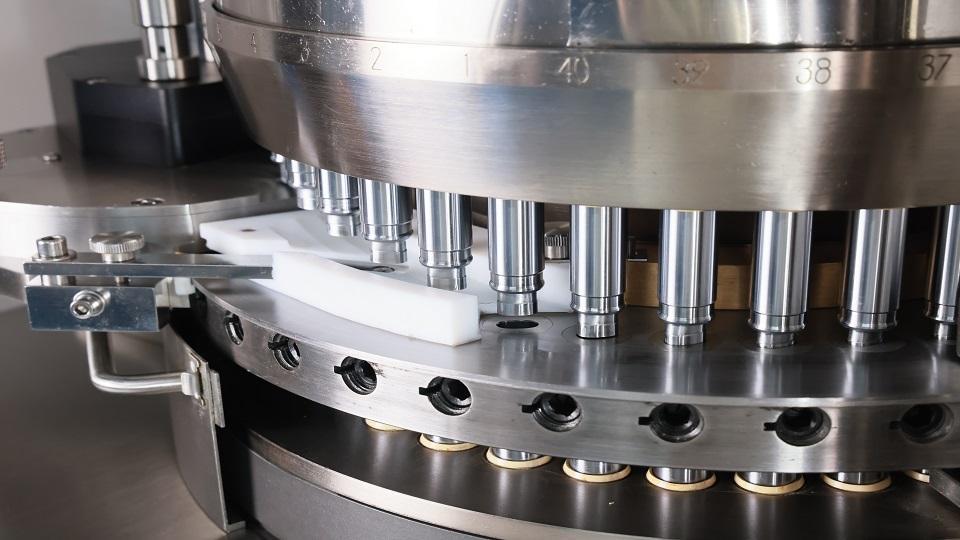 เครื่องตอกยาเม็ด
ในการบรรจุแคปซูล สูตรตำรับจะผ่านและสัมผัสกับชิ้นส่วนโลหะหลายชิ้นในระหว่างการตวงและการบรรจุ ส่วนประกอบต่างๆ เช่น จานตวง ก้านบรรจุ และพื้นผิวอื่นๆ ที่สัมผัสกับวัสดุจะสัมผัสกับผง แกรนูล หรือเพลเล็ตซ้ำๆ การสัมผัสและการเคลื่อนไหวอย่างต่อเนื่องอาจทำให้เกิดการสึกหรอทีละน้อย โดยเฉพาะอย่างยิ่งเมื่อสูตรตำรับมีฤทธิ์กัดกร่อนหรือเมื่อส่วนประกอบของเครื่องจักรได้รับการปรับตั้งไม่ถูกต้อง หากส่วนประกอบที่สัมผัสกับวัสดุเสียหายหรือสึกหรอมากเกินไป อนุภาคโลหะอาจหลุดเข้าไปในสูตรตำรับและถูกบรรจุลงในแคปซูลในที่สุด
ดังนั้น ชิ้นส่วนที่สัมผัสกับวัสดุจึงควรได้รับความสนใจเป็นพิเศษในการควบคุมการปนเปื้อน การตรวจสอบ การทำความสะอาด การปรับตั้งที่เหมาะสม และการเปลี่ยนส่วนประกอบที่สึกหรอตามกำหนดเวลาจะช่วยลดความเสี่ยงที่ต้นเหตุได้ อย่างไรก็ตาม เนื่องจากมลพิษที่เกิดจากการสึกหรออาจไม่สามารถมองเห็นได้เสมอไประหว่างการทำงานปกติ เครื่องตรวจจับโลหะจึงสามารถเป็นจุดควบคุมเพิ่มเติมหลังจากขั้นตอนการอัดยาเม็ดหรือการบรรจุแคปซูล
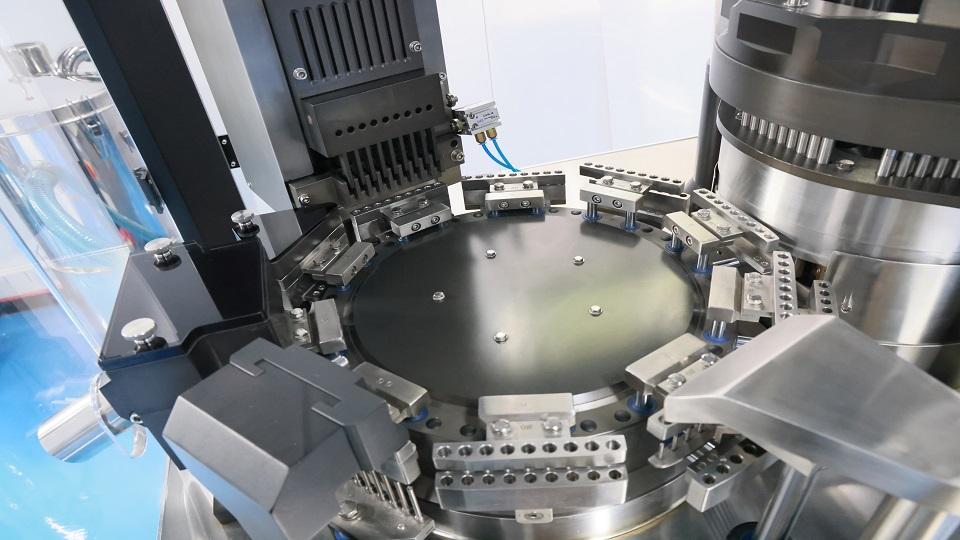 เครื่องบรรจุแคปซูล
เมื่อผู้ผลิตพิจารณาแล้วว่าการตรวจจับโลหะมีความเหมาะสมสำหรับผลิตภัณฑ์และกระบวนการ เครื่องตรวจจับโลหะสามารถรวมเข้ากับสายการผลิตได้โดยตรง สำหรับการตอกยาเม็ดและการบรรจุแคปซูล มีการอธิบายการกำหนดค่าทั่วไปสองแบบไว้ด้านล่าง
สายการผลิตยาเม็ดทั่วไปสามารถกำหนดค่าเป็น เครื่องตอกยาเม็ด, เครื่องขจัดฝุ่นยาเม็ด และเครื่องตรวจจับโลหะ
เครื่องตอกยาเม็ดเป็นอุปกรณ์หลักสำหรับการเปลี่ยนผงหรือแกรนูลให้เป็นยาเม็ด ในระหว่างการผลิต วัสดุจะถูกป้อนเข้าสู่ช่องดายก่อนแล้วจึงถูกอัดระหว่างพั้นช์ตัวบนและตัวล่าง ในขณะที่พั้นช์เคลื่อนที่ผ่านรอบการอัด แรงดันจะถูกนำไปใช้กับวัสดุเพื่อสร้างยาเม็ดที่มีรูปร่าง น้ำหนัก และความแข็งตามต้องการ จากนั้นยาเม็ดสำเร็จรูปจะถูกดันออกจากดายและส่งต่อไปยังกระบวนการขจัดฝุ่นที่ปลายน้ำ
หลังจากการอัด ยาเม็ดอาจมีผงหรือฝุ่นติดอยู่ที่พื้นผิว เครื่องขจัดฝุ่นยาเม็ดแบบหมุนขึ้นด้านบนของเราได้รับการออกแบบมาโดยเฉพาะสำหรับการทำความสะอาดยาเม็ดหลังการอัด ยาเม็ดจะถูกเคลื่อนขึ้นด้านบนผ่านกระบวนการสั่นสะเทือนที่ควบคุมได้ ในขณะที่การเป่าลมและการดูดฝุ่นจะทำงานร่วมกันเพื่อกำจัดผงและฝุ่นที่ตกค้าง วิธีการขจัดฝุ่นแบบผสมผสานนี้ให้การทำความสะอาดที่มีประสิทธิภาพในขณะที่ลดแรงกระแทกและแรงเสียดทานที่ไม่จำเป็นต่อยาเม็ด ช่วยรักษาความสมบูรณ์ของยาเม็ดในระหว่างกระบวนการ
หลังจากการขจัดฝุ่น ยาเม็ดสามารถเข้าสู่เครื่องตรวจจับโลหะเพื่อตรวจสอบการปนเปื้อน เครื่องตรวจจับโลหะของเราให้ความไวในการตรวจจับ ≥0.3 มม. ช่วยให้สามารถตรวจจับสารปนเปื้อนโลหะขนาดเล็กและคัดแยกยาเม็ดที่ได้รับผลกระทบออกโดยอัตโนมัติ นอกจากนี้ ระบบยังได้รับการออกแบบมาเพื่อประสิทธิภาพการตรวจจับที่เสถียรและความเข้ากันได้ดีกับสายการผลิตยาเม็ดรวมถึงการบรรจุแคปซูล
สำหรับการผลิตยา เครื่องตรวจจับโลหะสามารถใช้เป็นส่วนหนึ่งของกลยุทธ์การควบคุมการปนเปื้อนที่สอดคล้องกับ ข้อกำหนด GMP/cGMP ซึ่งบังคับใช้ภายใต้กรอบการกำกับดูแลของ FDA, EMA และ WHO การกำหนดค่าและแนวทางการตรวจสอบความถูกต้องที่เฉพาะเจาะจงควรได้รับการพิจารณาตามผลิตภัณฑ์ กระบวนการ ตลาดเป้าหมาย และข้อกำหนดด้านคุณภาพที่เกี่ยวข้อง
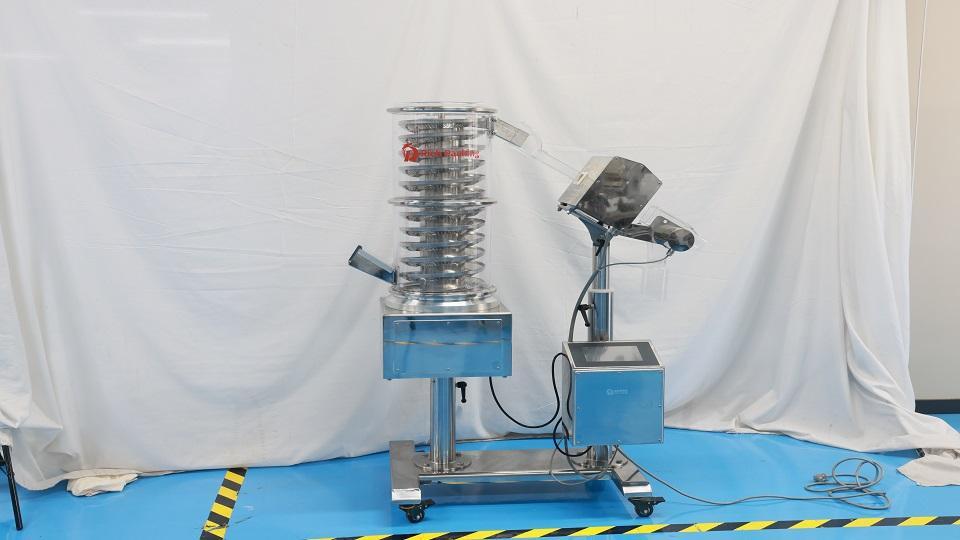 เครื่องขจัดฝุ่นยาเม็ดและเครื่องตรวจจับโลหะ
สายการผลิตแคปซูลทั่วไปสามารถกำหนดค่าเป็น เครื่องบรรจุแคปซูล, เครื่องขัดและคัดแยกแคปซูล, และเครื่องตรวจจับโลหะ
เครื่องบรรจุแคปซูลเป็นอุปกรณ์หลักสำหรับการบรรจุผง แกรนูล หรือเพลเล็ตลงในแคปซูลชนิดแข็ง ในระหว่างการผลิต แคปซูลเปล่าจะถูกแยกออกเป็นตัวแคปซูลและฝาแคปซูลก่อน ในขณะที่ตัวแคปซูลจะถูกจัดตำแหน่งเพื่อรอการบรรจุ จากนั้นวัสดุจะถูกตวงลงในตัวแคปซูลอย่างแม่นยำผ่านระบบตวง โดยมีส่วนประกอบต่างๆ เช่น จานตวงและก้านบรรจุทำหน้าที่ควบคุมน้ำหนักบรรจุที่ต้องการ หลังจากการบรรจุ ตัวแคปซูลจะถูกนำมาประกอบกับฝาแคปซูลและปิดให้สนิทเพื่อเป็นแคปซูลที่สมบูรณ์ จากนั้นแคปซูลสำเร็จรูปจะถูกปล่อยออกจากเครื่องและส่งต่อไปยังกระบวนการขัดและคัดแยกที่ปลายน้ำ
เครื่องขัดและคัดแยกแคปซูลเป็นหน่วยสำคัญหลังการบรรจุเพื่อปรับปรุงความสะอาดของแคปซูลและกำจัดแคปซูลที่ไม่ได้มาตรฐานออกก่อนดำเนินการในขั้นตอนต่อไป
ประการแรก เครื่องจักรจะช่วยขจัดผงที่ตกค้างจากพื้นผิวด้านนอกของแคปซูลที่บรรจุแล้ว ซึ่งช่วยลดการสะสมของผงและทำให้แคปซูลสะอาดขึ้นสำหรับการตรวจสอบและบรรจุภัณฑ์ในขั้นตอนต่อไป
ที่สำคัญกว่านั้น ฟังก์ชันการคัดแยกสามารถกำจัดแคปซูลที่ไม่เป็นไปตามเกณฑ์คุณภาพที่กำหนดได้ โดยขึ้นอยู่กับการกำหนดค่าและวิธีการตรวจสอบ เครื่องจักรสามารถคัดแยกแคปซูลที่มีน้ำหนักน้อยเกินไป รวมถึงแคปซูลที่มีตำหนิหรือบรรจุไม่สมบูรณ์ที่มองเห็นได้ชัดเจน ซึ่งช่วยป้องกันไม่ให้ผลิตภัณฑ์ที่ไม่ได้มาตรฐานเข้าสู่กระบวนการบรรจุภัณฑ์ขั้นปลายน้ำ
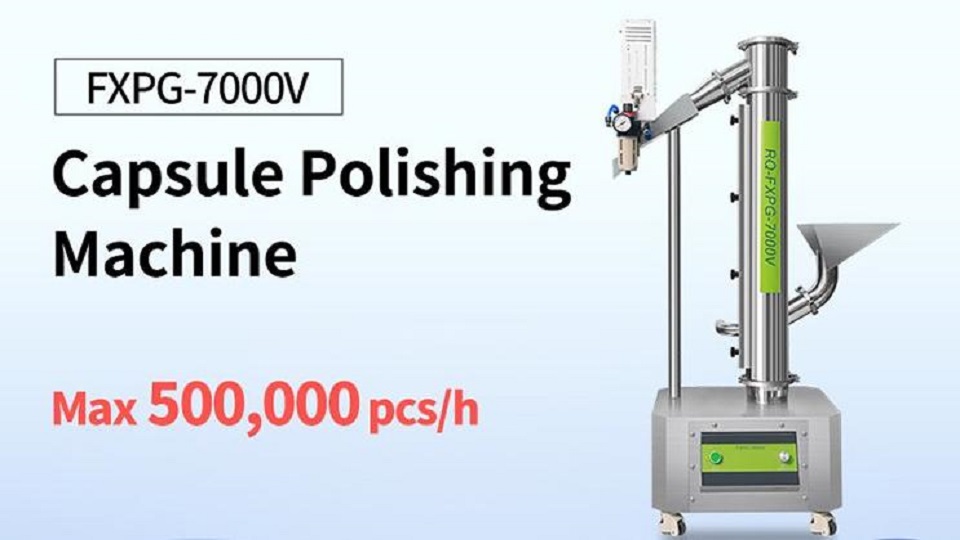 เครื่องขัดและคัดแยกแคปซูลของ Rich Packing
หลังจากผ่านการขัดและคัดแยกแล้ว แคปซูลที่ผ่านเกณฑ์จะถูกส่งผ่านเครื่องตรวจจับโลหะเพื่อตรวจสอบการปนเปื้อนของโลหะทางกายภาพ ในขั้นตอนนี้ เครื่องตรวจจับจะช่วยป้องกันอีกชั้นหนึ่งโดยการระบุและคัดแยกแคปซูลที่มีสิ่งปนเปื้อนโลหะที่ตรวจพบออกโดยอัตโนมัติ ก่อนที่จะดำเนินการต่อไปยังขั้นตอนการนับจำนวนการบรรจุขวด การบรรจุแผงหรือ การบรรจุกล่อง.
ความจำเป็นในการใช้เครื่องตรวจจับโลหะในกระบวนการผลิตยาเม็ดหรือแคปซูลนั้นขึ้นอยู่กับปัจจัยมากกว่าแค่ตัวผลิตภัณฑ์เพียงอย่างเดียว ผู้ผลิตควรพิจารณาประเภทของผลิตภัณฑ์ ตลาดเป้าหมาย ข้อกำหนดด้านคุณภาพ แหล่งที่มาของการปนเปื้อนโลหะที่อาจเกิดขึ้น และกระบวนการผลิตเฉพาะทาง เมื่อจำเป็นต้องมีการตรวจจับโลหะหรือระบุว่าเป็นมาตรการควบคุมที่เหมาะสม ควรพิจารณาตำแหน่งการติดตั้งในสายการผลิตอย่างรอบคอบด้วย
สำหรับการผลิตยาเม็ด การรวมกันของเครื่องตอกยาเม็ด เครื่องขจัดฝุ่นยาเม็ด และเครื่องตรวจจับโลหะ สามารถเป็นกระบวนการหลังการอัดเม็ดที่ใช้งานได้จริงสำหรับการขึ้นรูปยาเม็ด การกำจัดฝุ่น และการควบคุมการปนเปื้อนของโลหะ สำหรับการผลิตแคปซูล เครื่องบรรจุแคปซูล เครื่องขัดและคัดแยกแคปซูล และเครื่องตรวจจับโลหะ สามารถทำงานร่วมกันเพื่อให้ได้ผลลัพธ์ทั้งการบรรจุ การทำความสะอาดพื้นผิว การคัดแยกคุณภาพ และการควบคุมการปนเปื้อน
ในฐานะผู้เชี่ยวชาญด้าน ซัพพลายเออร์เครื่องจักรบรรจุภัณฑ์ยา เราไม่ได้เพียงแค่แนะนำเครื่องตรวจจับโลหะให้กับลูกค้าทุกคน หรือเพิ่มอุปกรณ์โดยไม่คำนึงถึงมูลค่าที่แท้จริง แต่เราจะประเมินลักษณะผลิตภัณฑ์ กระบวนการผลิต ตลาดเป้าหมาย ข้อกำหนดด้านคุณภาพ และความต้องการของลูกค้าก่อนที่จะแนะนำการกำหนดค่าที่เหมาะสม
เป้าหมายไม่ใช่การเพิ่มอุปกรณ์ให้มากขึ้น แต่คือการสร้างสมดุลที่เหมาะสมระหว่างคุณภาพผลิตภัณฑ์ ประสิทธิภาพการผลิต และต้นทุนการลงทุน ด้วยสายการผลิตที่กำหนดค่าไว้อย่างเหมาะสม ผู้ผลิตสามารถเสริมสร้างการควบคุมการปนเปื้อนในจุดที่จำเป็นจริงๆ ได้ ในขณะที่หลีกเลี่ยงอุปกรณ์และค่าใช้จ่ายที่ไม่จำเป็น
สายการผลิตเครื่องตอกยาเม็ด เครื่องขจัดฝุ่น และเครื่องตรวจจับโลหะของ Rich Packing
ไม่จำเป็น ความต้องการเครื่องตรวจจับโลหะขึ้นอยู่กับผลิตภัณฑ์ ความเสี่ยงในการปนเปื้อน ตลาดเป้าหมาย ข้อกำหนดที่เกี่ยวข้อง และระบบคุณภาพ โดย EMA ได้ระบุถึงการตรวจจับโลหะสำหรับกระบวนการอัดยาเม็ดและการบรรจุแคปซูลโดยเฉพาะ ซึ่งการปนเปื้อนของโลหะเป็นความเสี่ยงที่อาจเกิดขึ้นได้
เป็นข้อกังวลด้านคุณภาพที่แตกต่างกัน เครื่องตรวจจับโลหะจะระบุสิ่งปนเปื้อนโลหะทางกายภาพ เช่น เศษโลหะ ส่วนสิ่งเจือปนที่เป็นธาตุหมายถึงธาตุที่มีอยู่ในผลิตภัณฑ์ยา ซึ่งจะถูกควบคุมผ่านการประเมินความเสี่ยงและวิธีการวิเคราะห์ภายใต้กรอบการทำงาน เช่น ICH Q3D
แหล่งที่มาที่เป็นไปได้ ได้แก่ วัตถุดิบ กระบวนการต้นน้ำ เช่น การบดและการทำแกรนูล และการสึกหรอของชิ้นส่วนที่สัมผัสกับวัสดุ ในการผลิตยาเม็ด หัวตอกและเบ้าอาจสึกหรอระหว่างการอัด ในการบรรจุแคปซูล จานจ่ายและก้านบรรจุอาจเกิดการสัมผัสและเสียดสีอย่างต่อเนื่องได้เช่นกัน
โดยทั่วไปเครื่องตรวจจับโลหะจะตรวจจับโลหะกลุ่มเหล็ก โลหะนอกกลุ่มเหล็ก และสแตนเลส ประสิทธิภาพการตรวจจับที่แท้จริงขึ้นอยู่กับประเภทของโลหะ ลักษณะของผลิตภัณฑ์ ขนาดช่องเปิด สภาพการติดตั้ง และปัจจัยอื่นๆ
ควรพิจารณามากกว่าแค่ความไวในการตรวจจับตามชื่อเรียก ปัจจัยสำคัญ ได้แก่ ความไวในการตรวจจับ ความเสถียร อัตราการคัดแยกผิดพลาด ความสามารถในการปรับใช้กับผลิตภัณฑ์ การบูรณาการในสายการผลิต และข้อกำหนดด้านคุณภาพที่เกี่ยวข้อง นอกจากนี้ การทดสอบกับผลิตภัณฑ์จริงหรือตัวอย่างที่เป็นตัวแทนก็มีความสำคัญเช่นกัน
2. U.S. Food and Drug Administration (FDA). สิ่งเจือปนที่เป็นธาตุในผลิตภัณฑ์ยา: คำแนะนำสำหรับอุตสาหกรรม

29+ years in pharmaceutical machinery, covering capsule filling, tablet pressing, blister packaging, tablet and capsule counting, cartoning, GMP production, and overseas machine service.

ส่งอีเมล : manager@richpacking.cn
Building D, No. 226, Beishan Qiaotou Street, Haizhu District, Guangzhou City, Guangdong Province, China


 รองรับเครือข่าย IPv6