






 บ้าน
บ้าน ผลิตภัณฑ์
29+ years in pharmaceutical machinery, covering capsule filling, tablet pressing, blister packaging, tablet and capsule counting, cartoning, GMP production, and overseas machine service.

คุณเคยสังเกตไหมว่ายาเม็ดที่คุณทานนั้นมีหน้าตาแตกต่างกันอย่างสิ้นเชิง บางเม็ดเป็นสีขาว ในขณะที่บางเม็ดเป็นสีเหลือง สีชมพู สีฟ้า สีเขียว หรือแม้แต่สีน้ำตาล มองเผินๆ แล้ว สีเหล่านี้อาจดูเหมือนเป็นเพียงการออกแบบเพื่อความสวยงาม แต่เบื้องหลังนั้นมักมีอะไรมากกว่านั้น
การเคลือบเม็ดยามีจุดประสงค์หลากหลาย แต่เราจะเลือกสีของสารเคลือบเม็ดยาได้อย่างไร? และเครื่องเคลือบเม็ดยาจะสร้างฟิล์มสีที่เรียบเนียนและสม่ำเสมอเคลือบเม็ดยานับพันได้อย่างไร? บทความนี้จะสำรวจเหตุผลเบื้องหลังการเคลือบเม็ดยา ปัจจัยที่มีอิทธิพลต่อการเลือกสีของสารเคลือบ และกระบวนการเคลือบเม็ดยาทั้งหมด
ก่อนที่จะกล่าวถึงสีของสารเคลือบเม็ดยา ในส่วนนี้เราจะมาดูคำจำกัดความและประเภทหลักของสารเคลือบเม็ดยาโดยสังเขปกันก่อน
การเคลือบเม็ดยาเป็นกระบวนการผลิตยาที่ใช้การเคลือบวัสดุหนึ่งชั้นหรือมากกว่านั้นลงบนพื้นผิวของเม็ดยา โดยทั่วไปแล้วเม็ดยาที่ยังไม่เคลือบจะเรียกว่าเม็ดยาธรรมดา หลังจากที่เม็ดยาถูกผลิตขึ้นแล้วเครื่องอัดเม็ดยาพวกมันถูกบรรจุเข้าไปเครื่องเคลือบเม็ดยาซึ่งชิ้นส่วนเหล่านั้นจะถูกเคลื่อนย้ายและสัมผัสกับของเหลวเคลือบผิวอยู่ตลอดเวลา
วัสดุเคลือบหลักประกอบด้วยวัสดุสร้างฟิล์ม สารให้สี สารเพิ่มความยืดหยุ่น และตัวทำละลาย
วัสดุเคลือบผิวเป็นส่วนประกอบที่สำคัญที่สุดในการผลิตยาเคลือบเม็ดยา หน้าที่หลักของวัสดุเหล่านี้คือการสร้างชั้นต่อเนื่องบนพื้นผิวของเม็ดยา ชนิดของวัสดุที่เลือกใช้มีผลต่อคุณสมบัติที่สำคัญ เช่น ความแข็งแรง ความสามารถในการละลาย และพฤติกรรมการปลดปล่อยยา ตัวอย่างที่พบได้ทั่วไป ได้แก่ HPMC, HPC, PVA, PVP, เอทิลเซลลูโลส และโคพอลิเมอร์ของกรดเมทาคริลิก
สามารถใช้สารให้สีเพื่อสร้างสีเคลือบ เช่น สีขาว สีเหลือง สีชมพู สีแดง สีฟ้า สีเขียว สีส้ม หรือสีน้ำตาล สีของแกนเม็ดยา ความหนาของชั้นเคลือบ และความสม่ำเสมอของการกระจายตัวของสารให้สี ล้วนส่งผลต่อลักษณะที่ปรากฏในที่สุด
สารเพิ่มความยืดหยุ่น (Plasticizers) ใช้เพื่อเพิ่มความยืดหยุ่นของชั้นเคลือบ หากไม่มีความยืดหยุ่นเพียงพอ ฟิล์มเคลือบอาจเปราะและแตกหรือลอกออกได้ในระหว่างกระบวนการผลิตต่อไป สารเพิ่มความยืดหยุ่นช่วยให้การเคลือบเม็ดยาคงสภาพเดิม ตัวอย่างที่พบได้ทั่วไป ได้แก่ โพลีเอทิลีนไกลคอล (PEG) ไตรเอทิลซิเตรต และไตรอะเซติน
ตัวทำละลายถูกใช้เพื่อนำพาวัสดุเคลือบผิวผ่านระบบพ่นและไปยังพื้นผิวของเม็ดยา โดยทั่วไปจะใช้น้ำ และอาจใช้ตัวทำละลายอื่นๆ ที่เหมาะสมได้ขึ้นอยู่กับสูตร ในระหว่างกระบวนการเคลือบเม็ดยา ตัวทำละลายจะค่อยๆ ถูกกำจัดออกไปโดยการอบแห้งด้วยลมร้อน วัสดุที่เหลืออยู่จะก่อตัวเป็นชั้นเคลือบผิวสุดท้าย
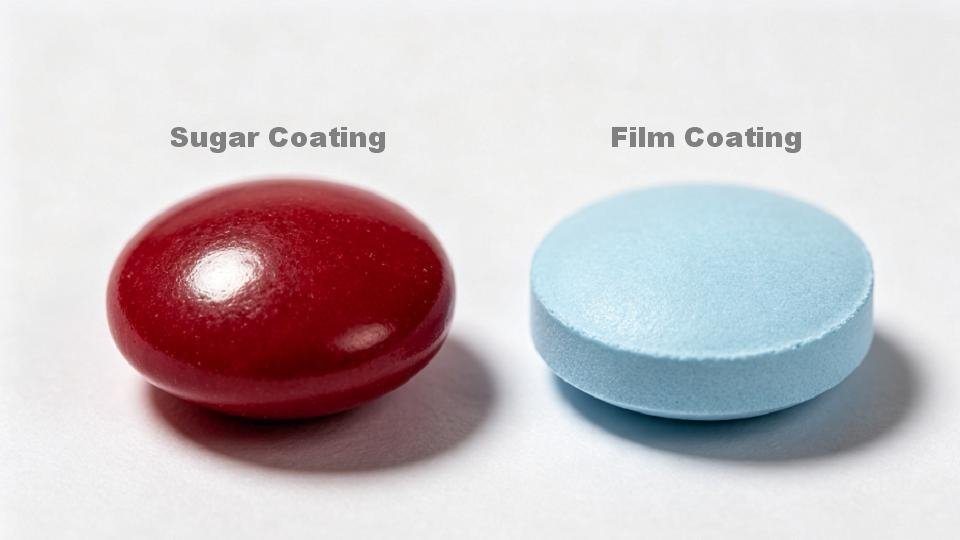
การเคลือบน้ำตาลและการเคลือบฟิล์ม
การเคลือบฟิล์มและการเคลือบน้ำตาลเป็นสองประเภทหลักของการเคลือบเม็ดยา
การเคลือบฟิล์มคือการเคลือบพื้นผิวเม็ดยาด้วยวัสดุเคลือบโพลีเมอร์บางๆ เนื่องจากชั้นเคลือบค่อนข้างบาง การเคลือบฟิล์มจึงมักมีผลกระทบต่อขนาดและน้ำหนักของเม็ดยาน้อย ทำให้เป็นวิธีการเคลือบที่ใช้กันอย่างแพร่หลายในการผลิตยา
ต่างจากการเคลือบฟิล์ม การเคลือบน้ำตาลมักทำให้เกิดชั้นนอกที่หนากว่ามาก นอกจากนี้ ยาเม็ดเคลือบน้ำตาลโดยทั่วไปจะเรียบเนียนกว่า กลมมนกว่า และมักมีพื้นผิวมันเงา การเคลือบน้ำตาลยังช่วยกลบกลิ่นรสได้ดีเยี่ยม เนื่องจากชั้นเคลือบที่หนาจะสร้างเกราะป้องกันที่แข็งแรงระหว่างแกนยาเม็ดกับปาก
| การเปรียบเทียบ | การเคลือบฟิล์ม | เคลือบน้ำตาล |
|---|---|---|
| โครงสร้างการเคลือบ | ฟิล์มบางที่ทำจากพอลิเมอร์ | การเคลือบหนาหลายชั้น |
| วัสดุหลัก | โพลิเมอร์ที่ขึ้นรูปฟิล์มและสารเพิ่มปริมาณเชิงฟังก์ชัน | วัสดุเคลือบผิวที่มีส่วนประกอบของน้ำตาลและสารช่วยอื่นๆ ที่เกี่ยวข้อง |
| ผลกระทบต่อขนาดของแท็บเล็ต | ขนาดและน้ำหนักเพิ่มขึ้นอย่างจำกัด | ขนาดและน้ำหนักเพิ่มขึ้นอย่างมีนัยสำคัญ |
| รูปร่าง | เรียบเนียนสม่ำเสมอ อาจเป็นแบบมันเงาหรือแบบด้านก็ได้ | เรียบเนียน กลมมน และโดยทั่วไปมีความมันวาวสูง |
| การกลบรสชาติ | ดี ขึ้นอยู่กับสูตร | โดยทั่วไปแล้วถือว่ายอดเยี่ยมเนื่องจากมีชั้นเคลือบที่หนากว่า |
| ประสิทธิภาพการผลิต | โดยทั่วไปมีประสิทธิภาพมากกว่าและเหมาะสมกับการผลิต | ใช้เวลานานขึ้นเนื่องจากต้องใช้หลายชั้น |
| ความซับซ้อนของกระบวนการ | ค่อนข้างคล่องตัว | มีความซับซ้อนมากขึ้นและเกี่ยวข้องกับขั้นตอนการเคลือบหลายขั้นตอน |
| การใช้งานทั่วไป | สารเคลือบผิวที่มีคุณสมบัติพิเศษ วิตามิน และอาหารเสริม | การกลบรสชาติและผลิตภัณฑ์ที่ต้องการรูปลักษณ์แบบดั้งเดิมและเงางาม |
สารเคลือบเม็ดยาชนิดต่างๆ ถูกออกแบบมาเพื่อแก้ปัญหาที่แตกต่างกัน บางชนิดมีจุดประสงค์เพื่อควบคุมการปลดปล่อยยา ในขณะที่บางชนิดเน้นการปรับปรุงคุณสมบัติทางกายภาพและรูปลักษณ์ของเม็ดยา
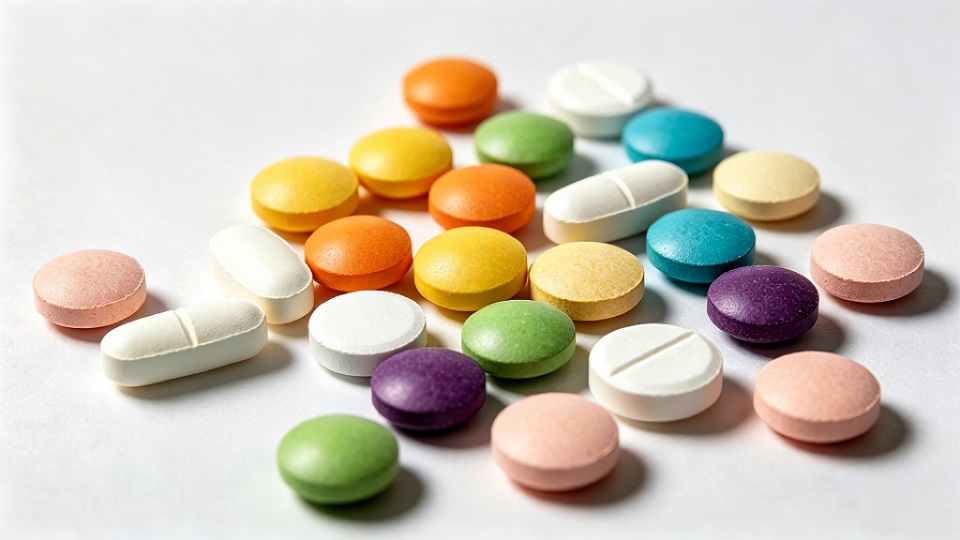
ยาเม็ดที่มีขนาดและสีเคลือบแตกต่างกัน
หนึ่งในหน้าที่สำคัญที่สุดของการเคลือบเม็ดยาคือการควบคุมตำแหน่งการปลดปล่อยสารออกฤทธิ์ โดยทั่วไปแล้วเม็ดยาแบบปลดปล่อยทันทีจะถูกออกแบบมาให้แตกตัวและปลดปล่อยสารออกฤทธิ์หลังจากรับประทาน อย่างไรก็ตาม เม็ดยาบางชนิดต้องการพฤติกรรมการปลดปล่อยที่เฉพาะเจาะจงมากกว่านั้น นี่คือเหตุผลที่การเคลือบเม็ดยาจึงมีความสำคัญเป็นพิเศษ
ตัวอย่างเช่น ยาเม็ดเคลือบเอนเทอริกได้รับการออกแบบมาให้ไม่เกิดผลในกระเพาะอาหาร แต่จะละลายเฉพาะในลำไส้เท่านั้น สูตรยาอื่นๆ อาจใช้ระบบการเคลือบเป็นส่วนหนึ่งของการออกแบบการปลดปล่อยแบบควบคุม ขึ้นอยู่กับสูตรยา การเคลือบสามารถช่วยชะลอหรือควบคุมการซึมผ่านของของเหลวและการปลดปล่อยส่วนประกอบสำคัญได้
ในแอปพลิเคชันเหล่านี้ การเคลือบเม็ดยาไม่ได้เป็นเพียงแค่ชั้นตกแต่งภายนอกเท่านั้น องค์ประกอบ ความหนา ความสม่ำเสมอ และความสมบูรณ์ของการเคลือบสามารถส่งผลโดยตรงต่อประสิทธิภาพที่ต้องการของเม็ดยาได้
การกลืนยาเม็ดอาจดูเหมือนง่าย แต่พื้นผิวของยาเม็ดนั้นสามารถสร้างความแตกต่างอย่างเห็นได้ชัดต่อประสบการณ์ของผู้ป่วยได้
ยาเม็ดที่ไม่เคลือบผิวอาจมีพื้นผิวที่ค่อนข้างหยาบหรือเป็นผง ในระหว่างกระบวนการผลิต การขนส่ง และการเก็บรักษา พื้นผิวอาจเกิดการเสียดสีเล็กน้อยได้ การเคลือบผิวอย่างเหมาะสมจะช่วยสร้างชั้นนอกที่เรียบเนียนขึ้น ช่วยให้ยาเม็ดเคลื่อนที่ได้ง่ายขึ้นเมื่อกลืน ซึ่งมีประโยชน์อย่างยิ่งสำหรับยาเม็ดขนาดใหญ่ที่ผู้ป่วยบางรายรับประทานได้ยากอยู่แล้ว
นอกจากนี้ การเคลือบเม็ดยายังสามารถปกปิดกลิ่นไม่พึงประสงค์ได้ ส่วนประกอบสำคัญบางชนิดมีรสขมจัด กลิ่นไม่พึงประสงค์ หรือลักษณะทางประสาทสัมผัสอื่นๆ ที่อาจสังเกตได้หากเม็ดยาอยู่ในปากก่อนกลืน การสร้างเกราะป้องกันทางกายภาพด้วยการเคลือบเม็ดยาจะช่วยปรับปรุงประสบการณ์การใช้ยาโดยรวมได้
การเคลือบเม็ดยายังมีบทบาทสำคัญต่อรูปลักษณ์ภายนอกและความทนทานของผลิตภัณฑ์สำเร็จรูปอีกด้วย
สารเคลือบช่วยให้พื้นผิวของเม็ดยาเรียบเนียนและดูสวยงามยิ่งขึ้น นอกจากนี้ยังช่วยปกปิดความไม่สม่ำเสมอเล็กน้อยในลักษณะของแกนเม็ดยาได้อีกด้วย ยิ่งไปกว่านั้น ชั้นเคลือบยังช่วยปกป้องพื้นผิวของเม็ดยาในระหว่างการขนส่งในขั้นตอนต่อไปได้อีกด้วย
ยาเม็ดอาจต้องผ่านหลายขั้นตอนหลังจากอัดเม็ดแล้ว รวมถึงการลำเลียง การตรวจสอบการนับเม็ดยาการบรรจุยาเม็ดลงขวดบรรจุภัณฑ์แบบแผงพลาสติกใสและการขนส่ง การสัมผัสซ้ำๆ ระหว่างเม็ดยาและพื้นผิวอุปกรณ์อาจทำให้เกิดรอยขีดข่วนหรือการสึกหรอของพื้นผิว การเคลือบที่เหมาะสมสามารถช่วยเพิ่มความต้านทานต่อการเสียดสีและความเสียหายจากการใช้งานเล็กน้อย ซึ่งส่งผลให้ได้รูปลักษณ์ที่สม่ำเสมอยิ่งขึ้น
สีเคลือบเม็ดยาทั่วไป ได้แก่ สีขาว เหลือง ชมพู แดง น้ำเงิน เขียว ส้ม และน้ำตาล เนื่องจากมีลักษณะเรียบง่าย สีขาวจึงถือเป็นตัวเลือกที่นิยมใช้มากที่สุด สีเหลืองก็พบเห็นได้ทั่วไปเช่นกัน ในขณะที่สีชมพู น้ำเงิน และเขียวสามารถให้ความแตกต่างทางสายตาได้ชัดเจนยิ่งขึ้น สีส้มและสีน้ำตาลอาจใช้เมื่อผลิตภัณฑ์ต้องการรูปลักษณ์ที่โดดเด่นกว่า โดยปกติแล้วการเลือกสีสุดท้ายจะขึ้นอยู่กับปัจจัยทางปฏิบัติหลายประการ
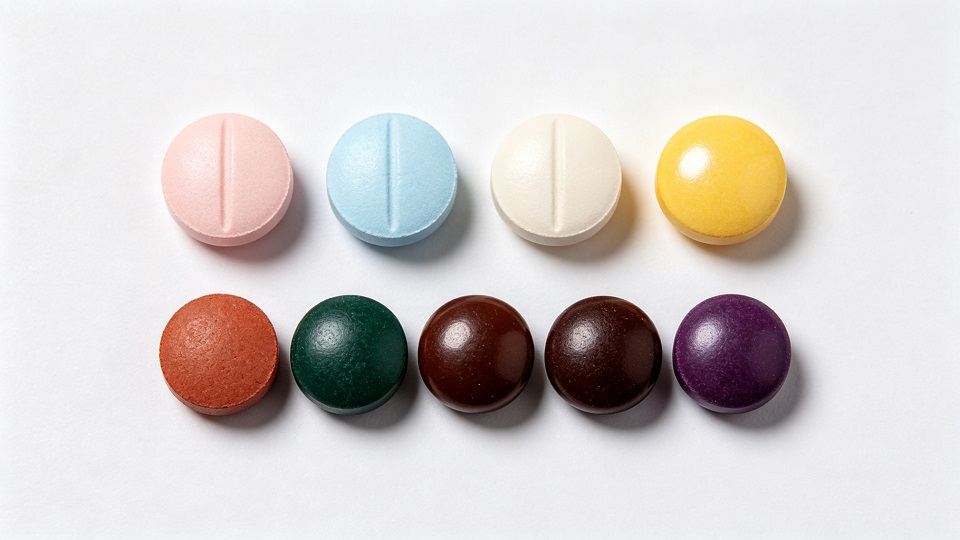
สีเคลือบเม็ดยาที่แตกต่างกัน
เหตุผลหนึ่งที่ใช้สีเคลือบเม็ดยาต่างกันคือการระบุผลิตภัณฑ์ ผู้ผลิตยาอาจผลิตผลิตภัณฑ์หลายชนิดที่มีขนาดหรือรูปร่างคล้ายกัน ยาชนิดเดียวกันแต่มีความเข้มข้นต่างกันก็อาจมีแกนเม็ดยาที่เกือบเหมือนกัน สีจึงเป็นคุณลักษณะทางสายตาเพิ่มเติมที่ช่วยให้แยกแยะผลิตภัณฑ์แต่ละชนิดออกจากกันได้
Color should not be considered the only means of identification, but it can work together with tablet shape, size, imprinting, packaging, and labeling to create a clearer visual distinction. From a product-design perspective, the goal is that the finished tablet should be recognizable and less likely to be confused with another product.
Color can also become part of a product's visual identity. Just as consumer products often use recognizable packaging colors, pharmaceutical and healthcare products may use consistent colors to create a recognizable appearance across a product line.
However, branding cannot be the only consideration. A color that looks attractive in a design concept must also be achievable in large-scale production. It must remain sufficiently consistent from batch to batch and work with the selected tablet core and coating formulation.
The choice of tablet coating color is also subject to regulatory requirements. The coloring agents used in pharmaceutical coatings are not selected solely on the basis of appearance. Manufacturers need to consider whether a particular colorant is permitted for pharmaceutical use in the target market.
Manufacturers also need to consider the quality requirements associated with the colorant. Depending on the applicable standards and product requirements, this may include factors such as identity, purity, impurities, and consistency.
The tablet color must also be compatible with the actual tablet coating process. Different colors and shades may place different demands on the coating process.
For example, highly saturated or darker colors may make uneven coating more noticeable, while some colorants may require particularly uniform dispersion to avoid spots or shade variation. The color of the tablet core and the amount of coating applied can also influence the final appearance.
For this reason, manufacturers need to consider whether the selected color can be reliably achieved under actual production conditions. Factors such as tablet movement, coating solution spraying, drying, and moisture removal all influence the consistency of the final color.
So, how does a tablet coating machine coordinate these processes to create a smooth and uniform coating? The next chapter is to take a closer look at the working principle of tablet coating machine.
To ensure a uniform coating and consistent tablet color, tablet coating machine takes coordinated control of tablet movement, coating solution spraying, heated air, and exhaust.
The coating process begins with the tablet tumbling. As the coating pan rotates, the tablets are continuously lifted, moved, and allowed to tumble. Internal baffles help create a controlled movement pattern so that the tablets do not simply slide together as one mass. The purpose of this movement is to expose different surfaces of the tablets to the spray zone.
If tablet movement is poor, some tablets may receive more coating than others, causing uneven coating and color inconsistency. On the other hand, excessively aggressive movement may increase the risk of unnecessary tablet-to-tablet contact or surface damage.
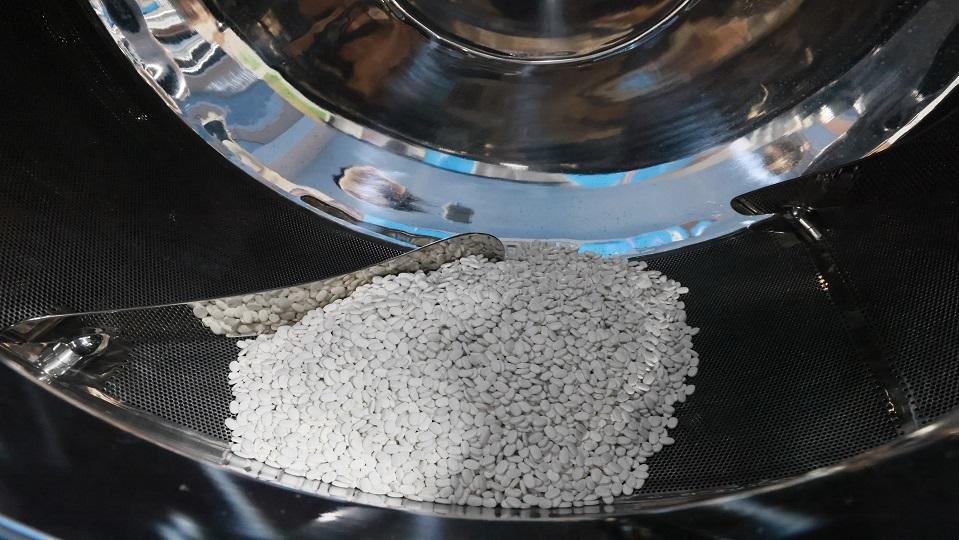
Tumbling and Mixing
Once the tablets are tumbling properly, the coating solution is delivered to the spray system. The coating liquid is atomized through spray guns into fine droplets and directed toward the moving tablet bed. Each tablet receives small amounts of coating as it repeatedly passes through the spray zone.
Uniform spraying depends on several factors, including the coating solution flow rate, atomization conditions, spray pattern, spray gun position, and the relationship between the spray system and the moving tablet bed.
If too much liquid is applied to a localized area, tablets can become excessively wet. In this case, tablet sticking and uneven coating might occur. If the droplets are not properly atomized or distributed, the final surface may show defects or color variation. Therefore, uniform spraying performance of tablet coating machine is particularly important for coating color consistency.
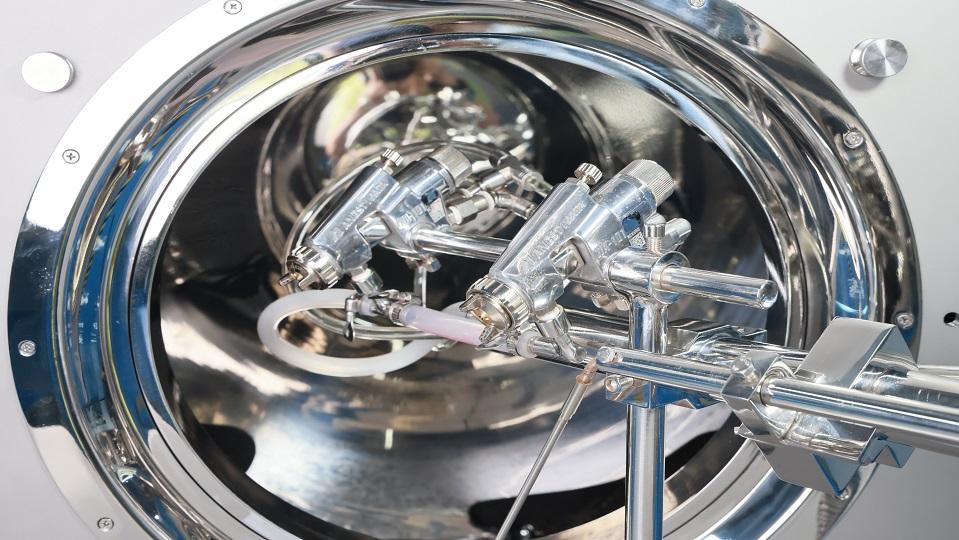
Spraying System
The liquid portion of the coating must be removed so that the coating material can form a stable film on the tablet surface. This is achieved through the hot-air system of tablet coating machine.
Conditioned air enters the coating chamber and passes through the moving tablet bed. The air can evaporate the solvent or water from the freshly applied coating of tablet.
The drying process must be carefully balanced with the spray process. If tablets remain too wet because the spray rate is too high or drying is insufficient, they may stick to one another. If drying is too aggressive, the coating droplets may dry too quickly before they have the opportunity to spread properly across the tablet surface.
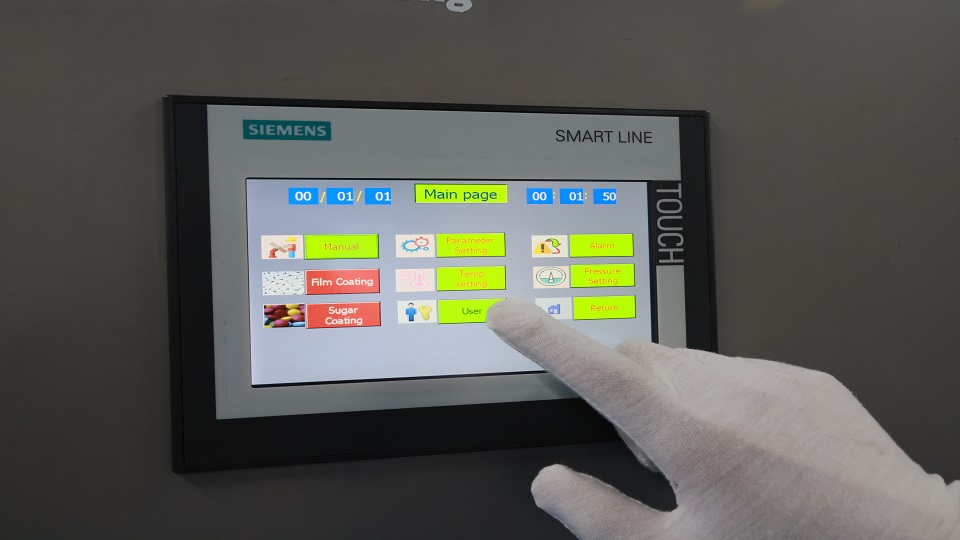
Siemens Touchscreen of rich packing’s Tablet Coating Machine
A complete tablet coating is normally built up gradually rather than applied in one thick layer. The process is repeated many times:
With each cycle, the coating gradually builds into a continuous film. This repeated process helps improve coating uniformity and allows the control system to manage the total amount of coating applied. The process continues until the required coating weight gain, film quality, and visual appearance have been achieved.
Once the tablet coating process is complete, the finished tablets can be discharged from the coating pan.
Before discharge, the coating pan is typically kept rotating for a short period to allow the remaining surface moisture to be removed and to ensure that the tablets are sufficiently dry. This helps prevent coated tablets from sticking together during discharge. Then the pan rotates in the designated direction, causing the tablets to move toward the discharge port. Internal baffles guide the tablets toward the outlet as the pan continues to rotate.
Once the coating pan is emptied, the discharge operation is stopped and the finished tablets are transferred to the next packaging stage, such as inspection, dedusting, tablet counting and blister packaging.
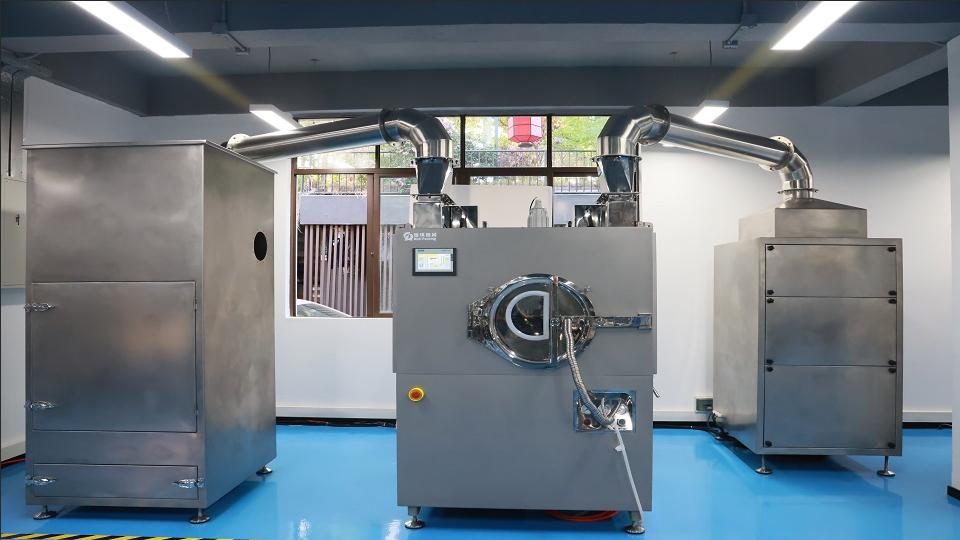
rich packing’s Tablet Coating Machine
Tablet coating serves multiple purposes, and the choice of coating color depends on several factors such as product identification, brand recognition, regulatory requirements, and the coating process to achieve a consistent result.
At the heart of this process is the tablet coating machine, which coordinates tablet tumbling, coating solution spraying, and hot-air drying to form a uniform and consistent coating layer. Therefore, selecting a tablet coating machine that matches the product and production requirements is essential for achieving stable coating quality.
Equally important is choosing an experienced and reliable supplier. A professional supplier should not only provide suitable tablet coating machine, but also offer technical guidance on coating formulation and color selection, and help optimize key process parameters. Rich Packing, as a reliable supplier, remains ready to give clients customized and professional tablet coating solution.
Working Process of rich packing’s Tablet Coating Machine
Different tablet coating colors can help improve tablet identification, distinguish products or strengths, and support brand recognition.
No. Tablet coating can also help control where the active ingredient is released, improve swallowability, mask unpleasant tastes and odors, and improve the tablet's resistance to minor abrasion during downstream handling.
ปัจจัยสำคัญ ได้แก่ การระบุเม็ดยา การจดจำแบรนด์ ข้อกำหนดด้านกฎระเบียบ และความสามารถในการรักษาความสม่ำเสมอของสีที่เลือกในระหว่างกระบวนการเคลือบเม็ดยาจริง
ใช่แล้ว ปัจจัยต่างๆ เช่น การเคลื่อนตัวของเม็ดยา การพ่นสารเคลือบ การอบแห้ง การกำจัดความชื้น สีของแกนเม็ดยา และปริมาณสารเคลือบ ล้วนส่งผลต่อความสม่ำเสมอของสีและลักษณะสุดท้ายของเม็ดยาได้
เครื่องเคลือบเม็ดยาจะประสานการหมุนของเม็ดยา การพ่นสารละลายเคลือบ การอบแห้งด้วยลมร้อน และรอบการเคลือบซ้ำๆ เพื่อสร้างชั้นเคลือบที่สม่ำเสมอทั่วพื้นผิวของเม็ดยาอย่างค่อยเป็นค่อยไป

29+ years in pharmaceutical machinery, covering capsule filling, tablet pressing, blister packaging, tablet and capsule counting, cartoning, GMP production, and overseas machine service.

ส่งอีเมล : manager@richpacking.cn
Building D, No. 226, Beishan Qiaotou Street, Haizhu District, Guangzhou City, Guangdong Province, China


 รองรับเครือข่าย IPv6