






 บ้าน
บ้าน ผลิตภัณฑ์
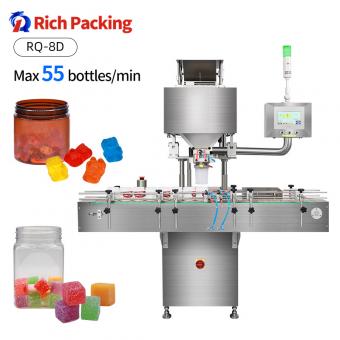
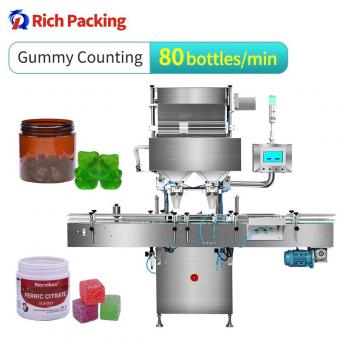
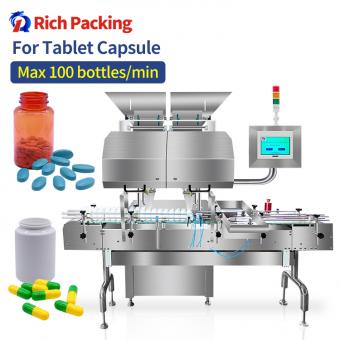
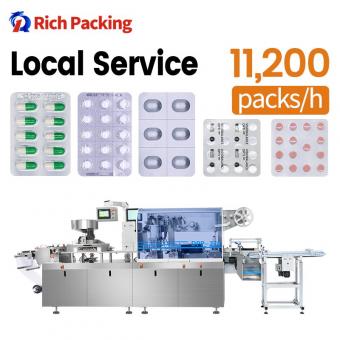
29+ years in pharmaceutical machinery, covering capsule filling, tablet pressing, blister packaging, tablet and capsule counting, cartoning, GMP production, and overseas machine service.

บรรจุภัณฑ์แบบแถบ (Strip packaging) เป็นบรรจุภัณฑ์แบบแบ่งบรรจุเป็นหน่วยเดียว โดยมีแอปพลิเคชันหลักสำหรับยาเม็ดและแคปซูล แทนที่จะวางผลิตภัณฑ์ลงในช่องที่ขึ้นรูปไว้ บรรจุภัณฑ์แบบนี้จะปิดผนึกแต่ละหน่วยบรรจุระหว่างวัสดุบรรจุภัณฑ์ที่ยืดหยุ่นสองชั้น ซึ่งมักจะเป็นฟอยล์หรือลามิเนต โครงสร้างนี้ทำให้รูปแบบบรรจุภัณฑ์นี้มีบทบาทที่ชัดเจนใน บรรจุภัณฑ์ยา โดยเฉพาะอย่างยิ่งเมื่อการป้องกันด้วยสิ่งกีดขวาง ขนาดบรรจุภัณฑ์ที่กะทัดรัด และการแยกปริมาณยาเป็นสิ่งสำคัญ
บรรจุภัณฑ์แบบแผงพลาสติกใสอาจไม่ใช่ตัวเลือกที่เหมาะสมสำหรับผลิตภัณฑ์ทุกชนิด บรรจุภัณฑ์แบบแผงพลาสติกใสโดยทั่วไปมักมองเห็นได้ชัดเจนกว่าและนำเสนอผลิตภัณฑ์ได้ดีกว่าโดยพิจารณาจากช่องว่างภายใน อย่างไรก็ตาม บรรจุภัณฑ์แบบแผงพลาสติกใสยังคงมีความสำคัญ เนื่องจากสามารถปกป้องผลิตภัณฑ์ที่ไวต่อความชื้น รองรับการจัดการปริมาณยา และเข้ากับวิธีการบรรจุบางประเภทได้ดี ในการพิจารณาว่าบรรจุภัณฑ์แบบใดเหมาะสม ควรเริ่มต้นจากการพิจารณารูปแบบบรรจุภัณฑ์ก่อนที่จะพิจารณาวัสดุ การเปรียบเทียบ หรือการเลือกเครื่องจักร
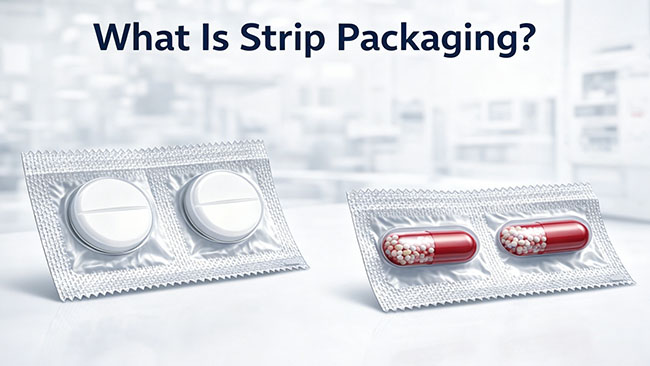
ในบรรจุภัณฑ์ยา กระบวนการบรรจุแบบแถบจะห่อหุ้มยาเม็ดหรือแคปซูลโดยการติดเข้าด้วยกันโดยตรงระหว่างแผ่นวัสดุที่มีความยืดหยุ่นสองแผ่น แต่ละโดสจะถูกบรรจุอยู่ภายในพื้นที่ที่ปิดผนึก แทนที่จะวางไว้ในช่องที่ขึ้นรูปไว้ล่วงหน้า ในการใช้งานทางเภสัชกรรมหลายๆ อย่าง วัสดุที่ใช้มักเป็นฟอยล์หรือลามิเนต เพื่อช่วยปกป้องผลิตภัณฑ์จากความชื้น แสง และการปนเปื้อนจากภายนอก
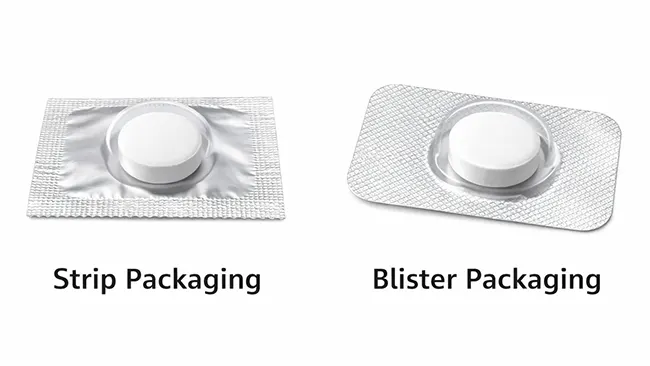
เมื่อเปรียบเทียบกับบรรจุภัณฑ์แบบแผงยา ความแตกต่างนั้นชัดเจน บรรจุภัณฑ์แบบแผงยาโดยทั่วไปจะใช้ช่องที่ขึ้นรูปไว้เพื่อบรรจุยาเม็ดหรือแคปซูลก่อนที่จะปิดผนึกด้วยวัสดุปิด ในขณะที่บรรจุภัณฑ์แบบแถบไม่จำเป็นต้องใช้ช่องที่ขึ้นรูปไว้ล่วงหน้า ผลิตภัณฑ์จะอยู่ระหว่างแผ่นฟิล์มสองแผ่น และปิดผนึกโดยรอบ
ความแตกต่างทางโครงสร้างนั้นส่งผลต่อทั้งประสิทธิภาพของบรรจุภัณฑ์และการออกแบบสายการผลิต รูปแบบนี้มักใช้เมื่อการนำเสนอแบบขนาดพอดีคำ การป้องกันด้วยสิ่งกีดขวาง และการแยกปริมาณยาอย่างง่ายมีความสำคัญ มักเกี่ยวข้องกับยาเม็ดและแคปซูลที่การปกป้องผลิตภัณฑ์และการจัดการที่สะดวกมีความสำคัญมากกว่าการมองเห็นผลิตภัณฑ์ผ่านบรรจุภัณฑ์
บรรจุภัณฑ์แบบแถบมีประโยชน์ แต่ไม่ใช่สิ่งที่จะมาทดแทนบรรจุภัณฑ์แบบแผงพลาสติกได้ทั้งหมด เช่นเดียวกับวิธีการบรรจุภัณฑ์อื่นๆ คุณค่าของบรรจุภัณฑ์แบบแถบขึ้นอยู่กับผลิตภัณฑ์ ข้อกำหนดด้านการป้องกัน และแผนการบรรจุภัณฑ์ในขั้นตอนถัดไป
สายการผลิตบรรจุภัณฑ์แบบแถบมักเริ่มต้นด้วยแผ่นวัสดุบรรจุภัณฑ์ด้านล่างที่เคลื่อนผ่านเครื่องจักร ยาเม็ดหรือแคปซูลจะถูกป้อนลงบนแผ่นวัสดุนั้นในระยะห่างที่ควบคุมได้ จากนั้นแผ่นวัสดุด้านบนจะคลุมผลิตภัณฑ์ และเครื่องจักรจะใช้ความร้อนและแรงดันเพื่อปิดผนึกวัสดุทั้งสองเข้าด้วยกันรอบๆ แต่ละโดส หลังจากปิดผนึกแล้ว สายการผลิตจะตัดหรือเจาะแผ่นวัสดุเป็นบรรจุภัณฑ์แบบโดสเดียวหรือแถบสั้นๆ หลายระบบยังเพิ่มรหัสล็อตหรือข้อมูลการพิมพ์อื่นๆ ก่อนที่จะส่งออกไปใช้งาน
ประเด็นสำคัญนั้นง่ายมาก: บรรจุภัณฑ์ถูกสร้างขึ้นโดยการปิดผนึกรอบผลิตภัณฑ์ ไม่ใช่โดยการสร้างช่องว่างก่อน นั่นเป็นเหตุผลว่าทำไมบรรจุภัณฑ์แบบแถบจึงดูแบนกว่าบรรจุภัณฑ์แบบแผงพลาสติก และทำไมการเลือกวัสดุจึงมีความสำคัญมาก หากแถบปิดผนึกไม่สม่ำเสมอ บรรจุภัณฑ์อาจไม่สามารถให้การป้องกันในระดับที่ผลิตภัณฑ์ต้องการได้
ลำดับขั้นตอนโดยรวมนั้นไม่ซับซ้อน แต่ผลลัพธ์ที่เสถียรขึ้นอยู่กับการควบคุม เครื่องป้อนวัสดุต้องวางเม็ดยาหรือแคปซูลได้อย่างแม่นยำ ความตึงของแผ่นวัสดุต้องคงที่ อุณหภูมิในการปิดผนึกและระยะเวลาในการปิดผนึกต้องเหมาะสมกับวัสดุ การตัดต้องสอดคล้องกับระยะห่างของผลิตภัณฑ์และข้อมูลที่พิมพ์ไว้ บรรจุภัณฑ์ที่ดูสวยงามยังคงขึ้นอยู่กับการควบคุมพื้นฐานที่ดี
นี่จึงเป็นเหตุผลว่าทำไมรูปแบบนี้จึงเหมาะกับผลิตภัณฑ์บางชนิดมากกว่าชนิดอื่น โดยทั่วไปแล้ว ผลิตภัณฑ์ที่เป็นของแข็งมาตรฐานจะจัดการได้ง่ายกว่าผลิตภัณฑ์ที่มีรูปทรงที่ม้วนงอ บิดเบี้ยว หรือวางตัวไม่สม่ำเสมอระหว่างแผ่นฟิล์ม สายการผลิตจะทำงานได้ดีที่สุดเมื่อผลิตภัณฑ์ วัสดุ และการตั้งค่าเครื่องจักรเอื้ออำนวยต่อการสร้างช่องปิดผนึกที่เสถียร
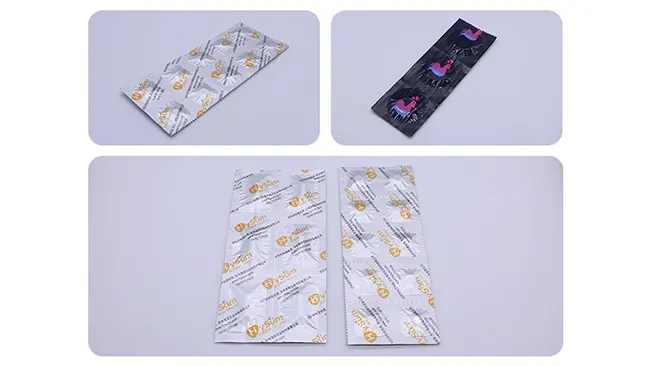
วัสดุที่ใช้กันทั่วไปมากที่สุดคือโครงสร้างและวัสดุเคลือบที่ทำจากฟอยล์ ฟอยล์อะลูมิเนียมเป็นที่นิยมใช้กันอย่างแพร่หลายเนื่องจากให้การปกป้องที่ดีจากความชื้น แสง และออกซิเจน ขึ้นอยู่กับผลิตภัณฑ์และเป้าหมายด้านต้นทุน ผู้ผลิตอาจใช้ฟอยล์อะลูมิเนียมทั้งสองด้านหรือผสมฟอยล์กับวัสดุอื่น ๆ ที่ช่วยเพิ่มประสิทธิภาพในการปิดผนึก ความแข็งแรง หรือการใช้งานบนเครื่องจักร
การเลือกวัสดุไม่ใช่แค่เรื่องของการจัดซื้อเท่านั้น แต่เป็นส่วนหนึ่งของการปกป้องผลิตภัณฑ์ด้วย ยาเม็ดที่ไวต่อความชื้นอาจต้องการโครงสร้างที่มีคุณสมบัติป้องกันสูงกว่า ในขณะที่ผลิตภัณฑ์ที่ไม่ไวต่อความชื้นมากนักอาจใช้ลามิเนตที่เรียบง่ายกว่าได้ หากเป้าหมายอายุการเก็บรักษา สภาพการจัดจำหน่าย และต้นทุนบรรจุภัณฑ์สอดคล้องกัน
ประสิทธิภาพของเครื่องจักรก็มีความสำคัญเช่นกัน บรรจุภัณฑ์เหล่านี้ต้องเคลื่อนที่ได้อย่างราบรื่น ปิดผนึกได้อย่างเรียบร้อย และตัดได้อย่างแม่นยำ วัสดุที่ดูแข็งแรงบนกระดาษ แต่เคลื่อนที่ได้ไม่ดีบนสายการผลิตอาจก่อให้เกิดปัญหาในการผลิตอย่างแท้จริง ในทางปฏิบัติ วัสดุที่ดีที่สุดคือวัสดุที่ตอบสนองความต้องการด้านการป้องกันโดยไม่ทำให้สายการผลิตไม่เสถียร ทำงานช้า หรือปิดผนึกได้ยากอย่างสม่ำเสมอ
ด้วยเหตุนี้ การเลือกวัสดุจึงมักอยู่ตรงจุดตัดระหว่างความไวต่อสูตร การมีอายุการเก็บรักษาที่ต้องการ ความสามารถของเครื่องจักร และการนำเสนอของบรรจุภัณฑ์ นี่คือหนึ่งในเหตุผลหลักที่ทำให้กระบวนการบรรจุภัณฑ์ประสบความสำเร็จหรือล้มเหลว
บรรจุภัณฑ์แบบแถบยังคงมีความสำคัญ เนื่องจากสามารถตอบโจทย์ความต้องการด้านบรรจุภัณฑ์ในทางปฏิบัติได้หลายประการพร้อมกัน
ข้อดีข้อที่ 1: การแบ่งขนาดยาที่ชัดเจน
ยาเม็ดหรือแคปซูลแต่ละเม็ดสามารถบรรจุในช่องปิดผนึกเฉพาะของตนเอง ซึ่งทำให้การจัดการเป็นระเบียบเรียบร้อยกว่าการจัดเก็บแบบรวมกลุ่ม สิ่งนี้สำคัญเมื่อผลิตภัณฑ์ต้องการการนำเสนอแบบทีละโดส การนับที่ง่ายขึ้น หรือการระบุที่ชัดเจนยิ่งขึ้นระหว่างการจัดจำหน่าย นอกจากนี้ยังช่วยได้เมื่อกระบวนการบรรจุภัณฑ์ต้องการรูปแบบที่สามารถแบ่งออกเป็นหน่วยย่อยๆ ได้โดยไม่ต้องเปลี่ยนแนวคิดโดยรวมของบรรจุภัณฑ์
ข้อดีข้อที่ 2: มีศักยภาพในการเป็นเกราะป้องกันสูงในขนาดกะทัดรัด
สำหรับผลิตภัณฑ์ที่ไวต่อความชื้นหรือแสง แถบฟอยล์สามารถให้การปกป้องที่แข็งแรงโดยไม่ต้องเปลี่ยนไปใช้บรรจุภัณฑ์แบบขวด ถึงแม้ว่านี่จะไม่ใช่คำตอบที่ดีที่สุดสำหรับทุกสูตร แต่ก็เป็นเหตุผลว่าทำไมรูปแบบนี้จึงยังคงมีบทบาทสำคัญในบรรจุภัณฑ์ยา บรรจุภัณฑ์สามารถคงความแบนและกะทัดรัดได้ ในขณะที่ยังคงตอบสนองเป้าหมายการปกป้องที่สำคัญต่ออายุการเก็บรักษาและคุณภาพของผลิตภัณฑ์
ข้อดีข้อที่ 3: การใช้งานที่สะดวกและพกพาง่าย
บรรจุภัณฑ์แบบแถบยาพกพาสะดวก แบ่งง่าย และจัดเรียงเป็นชิ้นสั้นๆ ได้สะดวก ซึ่งเป็นประโยชน์ในการจัดจำหน่ายยาแบบดั้งเดิมและการจัดการยาในสถานการณ์ที่ความชัดเจนของขนาดยาเป็นสิ่งสำคัญ ร้านขายยาและสถานดูแลผู้สูงอายุบางแห่งใช้บรรจุภัณฑ์แบบแถบยาด้วยเหตุผลเดียวกัน คือ ทำให้การจัดการขนาดยาทำได้ง่ายกว่ายาเม็ดที่บรรจุในภาชนะแบบหลวมๆ
ข้อดีเหล่านี้ไม่ได้หมายความว่าบรรจุภัณฑ์แบบแถบจะเป็นคำตอบมาตรฐาน แต่เป็นการอธิบายว่าทำไมบรรจุภัณฑ์แบบนี้จึงยังคงมีประโยชน์ สำหรับยาเม็ดและแคปซูล บรรจุภัณฑ์แบบนี้จะได้ผลดีที่สุดเมื่อการปกป้องผลิตภัณฑ์ การแบ่งโดส และการนำเสนอที่กะทัดรัดมีความสำคัญไปพร้อมๆ กัน
แม้จะมีลักษณะการใช้งานที่คล้ายคลึงกัน แต่ทั้งสองวิธีนี้แตกต่างกันอย่างพื้นฐานในด้านโครงสร้างและการใช้งาน บรรจุภัณฑ์แบบแผงพลาสติก (Blister packaging) ใช้ช่องว่างที่ขึ้นรูปไว้ ในขณะที่บรรจุภัณฑ์แบบแถบ (Strip packaging) ปิดผนึกผลิตภัณฑ์ระหว่างแผ่นพลาสติกสองแผ่น ความแตกต่างนี้ส่งผลต่อรูปลักษณ์ การมองเห็นผลิตภัณฑ์ การใช้วัสดุ และตรรกะของเครื่องจักร
บรรจุภัณฑ์แบบแผงพลาสติกมักทำให้มองเห็นผลิตภัณฑ์ได้ง่ายขึ้นและนำเสนอได้ชัดเจนยิ่งขึ้นในร้านค้าปลีก บรรจุภัณฑ์แบบแถบมีลักษณะแบนและกะทัดรัดกว่า และอาจให้ประสิทธิภาพในการป้องกันที่ดีกว่าเมื่อใช้วัสดุที่ทำจากฟอยล์ แทนที่จะมองหาโซลูชันที่ดีที่สุดสำหรับทุกผลิตภัณฑ์ การตัดสินใจที่เหมาะสมควรขึ้นอยู่กับการเลือกรูปแบบบรรจุภัณฑ์ให้สอดคล้องกับข้อกำหนดเฉพาะของผลิตภัณฑ์และวัตถุประสงค์ในการบรรจุภัณฑ์
|
คุณสมบัติ |
บรรจุภัณฑ์แบบแถบ |
บรรจุภัณฑ์แบบแผงพลาสติก |
|
โครงสร้างบรรจุภัณฑ์ |
ผลิตภัณฑ์ถูกปิดผนึกระหว่างแผ่นใยยืดหยุ่นสองแผ่น |
ผลิตภัณฑ์บรรจุอยู่ในช่องขึ้นรูปที่มีฝาปิด |
|
การมองเห็นผลิตภัณฑ์ |
โดยทั่วไปจะต่ำ โดยเฉพาะอย่างยิ่งกับโครงสร้างฟอยล์ |
โดยทั่วไปจะได้ค่าที่สูงขึ้นเมื่อใช้ฟิล์มใส |
|
การมุ่งเน้นอุปสรรค |
มักถูกเลือกใช้เนื่องจากมีคุณสมบัติในการกั้นที่แข็งแรงร่วมกับวัสดุที่มีส่วนประกอบของฟอยล์ |
นอกจากนี้ยังสามารถให้การปกป้องที่แข็งแกร่งได้ ขึ้นอยู่กับโครงสร้าง |
|
รูปแบบบรรจุภัณฑ์ |
แบน กะทัดรัด แบ่งตามความยาวได้ง่าย |
การนำเสนอที่แข็งกว่าและอิงตามช่องว่าง |
|
ตรรกะสาย |
ป้อน, ปิดผนึก, ตัด หรือเจาะรู |
ขึ้นรูปช่องว่าง, เติม, ปิดผนึก, ตัด |
|
เหมาะสมที่สุด |
ความต้องการยาเม็ดหรือแคปซูลแบบรับประทานครั้งละหนึ่งโดสที่ขับเคลื่อนด้วยสิ่งกีดขวาง |
ผลิตภัณฑ์ที่ได้รับประโยชน์จากการนำเสนอหรือการมองเห็นช่องว่าง |
ในทางปฏิบัติ บรรจุภัณฑ์แบบแผงพลาสติกมักเหมาะกับผลิตภัณฑ์ที่ได้รับประโยชน์จากความมองเห็นได้ชัดเจน การรองรับช่องว่าง หรือการนำเสนอสินค้าบนชั้นวางที่โดดเด่นกว่า ในขณะที่บรรจุภัณฑ์แบบแถบมักเหมาะกับผลิตภัณฑ์ที่การจัดการแบบเป็นหน่วยขนาดกะทัดรัดและโครงสร้างที่มีคุณสมบัติป้องกันการซึมผ่านสูงมีความยืดหยุ่นมีความสำคัญมากกว่า ตัวเลือกที่ดีกว่านั้นขึ้นอยู่กับพฤติกรรมของผลิตภัณฑ์ ความคาดหวังของตลาด และความต้องการบรรจุภัณฑ์ในขั้นตอนต่อไป
สำหรับรายละเอียดเพิ่มเติม บรรจุภัณฑ์แบบแผงพลาสติกใสเทียบกับบรรจุภัณฑ์แบบแถบพลาสติก ดูคู่มือฉบับเต็ม
รูปแบบนี้เหมาะสมที่สุดเมื่อผลิตภัณฑ์ได้รับประโยชน์จากการแยกยาแต่ละโดส และไม่จำเป็นต้องมีช่องว่างที่แข็งแรง โดยทั่วไปแล้วหมายถึงยาเม็ดและแคปซูลแข็งแบบดั้งเดิมที่มีรูปทรงคงที่และพฤติกรรมการป้อนที่คาดเดาได้ หากผลิตภัณฑ์สามารถวางอยู่ระหว่างแผ่นฟิล์มได้อย่างสะอาดหมดจด และวัสดุสามารถปิดผนึกรอบๆ ได้อย่างน่าเชื่อถือ รูปแบบนี้ก็จะกลายเป็นตัวเลือกที่ใช้งานได้จริง
นอกจากนี้ ยังเป็นตัวเลือกที่เหมาะสมอย่างยิ่งเมื่อประสิทธิภาพในการป้องกันการรั่วซึมเป็นสิ่งสำคัญ ยาเม็ดที่ไวต่อความชื้นหรือแสงอาจเหมาะกับบรรจุภัณฑ์แบบแถบฟอยล์ โดยเฉพาะอย่างยิ่งหากเป้าหมายคือการปกป้องยาแต่ละโดสในขณะที่ยังคงความกะทัดรัดของบรรจุภัณฑ์โดยรวม นั่นไม่ได้หมายความว่าจะไม่จำเป็นต้องประเมินสูตรและเสถียรภาพ แต่ช่วยอธิบายว่าทำไมรูปแบบนี้จึงยังคงมีความสำคัญอยู่
อีกหนึ่งตัวอย่างการใช้งานที่ดีคือการจัดการปริมาณยาที่ชัดเจน หากผลิตภัณฑ์จะถูกจัดจำหน่ายในลักษณะที่ได้รับประโยชน์จากการแยกยาได้ง่าย การระบุด้วยการพิมพ์ หรือการจัดปริมาณยาอย่างเป็นระเบียบ บรรจุภัณฑ์แบบแถบยาจะรองรับสิ่งเหล่านี้ได้ดีกว่าขวดบรรจุยา นี่เป็นเหตุผลหนึ่งที่การนำเสนอยาแบบแถบยาจึงปรากฏในขั้นตอนการทำงานของร้านขายยาและสถานดูแลผู้สูงอายุระยะยาว
ไม่ใช่ทุกผลิตภัณฑ์ที่จะเหมาะกับรูปแบบนี้ รูปทรงที่อ่อนนุ่ม ไม่สม่ำเสมอ เปราะบาง หรือป้อนยาก อาจทำให้เกิดปัญหาในระหว่างการป้อนและการปิดผนึก ในกรณีเหล่านั้น บรรจุภัณฑ์แบบแผงพลาสติกที่มีช่องว่างอาจเป็นทางออกที่สะอาดกว่า
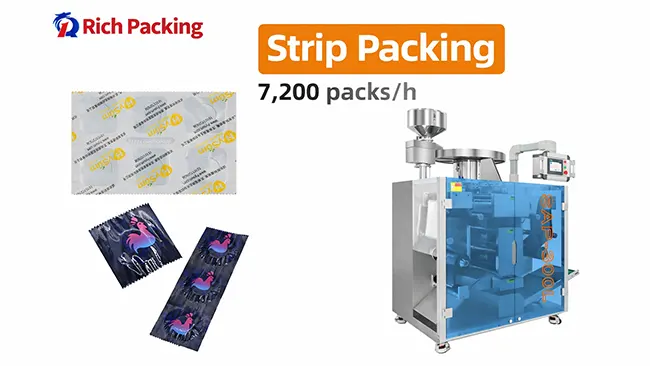
เอ เครื่องบรรจุภัณฑ์แบบแถบ คืออุปกรณ์ที่ป้อนผลิตภัณฑ์ จัดการแผ่นบรรจุภัณฑ์ ปิดผนึกวัสดุรอบแต่ละโดส แล้วตัดหรือเจาะแผ่นบรรจุภัณฑ์ที่เสร็จแล้ว กล่าวโดยง่ายคือ อุปกรณ์นี้เปลี่ยนยาเม็ดหรือแคปซูลพร้อมวัสดุบรรจุภัณฑ์ที่ป้อนแบบม้วนให้เป็นบรรจุภัณฑ์แบบใช้ครั้งเดียวที่ใช้งานได้
เครื่องจักรนี้ไม่ใช่แค่เครื่องซีล แต่เป็นระบบควบคุมระยะห่างของผลิตภัณฑ์ การติดตามแผ่นบรรจุภัณฑ์ คุณภาพการซีล การจัดเรียงรหัส และความสม่ำเสมอของผลลัพธ์ หากจุดใดจุดหนึ่งเหล่านี้ผิดเพี้ยนไป คุณภาพของบรรจุภัณฑ์ก็อาจผิดเพี้ยนไปด้วย
วิธีที่มีประสิทธิภาพที่สุดในการประเมินเครื่องจักรไม่ใช่การมุ่งเน้นเฉพาะความเร็วที่ระบุไว้บนป้ายโฆษณาเท่านั้น ควรพิจารณาประเด็นต่างๆ ที่เป็นตัวตัดสินว่าสายการผลิตสามารถทำงานได้อย่างเสถียรกับผลิตภัณฑ์และวัสดุจริงหรือไม่
ตรวจสอบข้อที่ 1: ความเสถียรในการให้อาหาร
คำถามแรกคือ เครื่องป้อนชิ้นงานสามารถรองรับรูปทรงของเม็ดยาหรือแคปซูลจริงได้โดยไม่เกิดการวางผิดตำแหน่งบ่อยครั้งหรือไม่ เครื่องจักรอาจดูดีในการสาธิตทั่วไป แต่ประสิทธิภาพที่แท้จริงขึ้นอยู่กับว่าผลิตภัณฑ์ไปถึงบริเวณการปิดผนึกในระยะห่างที่ถูกต้องได้สม่ำเสมอเพียงใด หากการป้อนชิ้นงานไม่เสถียร ปัญหาการปิดผนึกและการตัดมักจะตามมา
ตรวจสอบข้อที่ 2: ความสม่ำเสมอของรอยต่อกับวัสดุที่เลือกใช้
ประเด็นที่สองคือ ระบบการปิดผนึกสามารถรักษาช่วงกระบวนการที่เสถียรได้หรือไม่ เมื่อใช้กับฟอยล์หรือลามิเนตที่คุณวางแผนจะใช้ การแค่บรรจุภัณฑ์ที่ดูแข็งแรงบนโต๊ะตัวอย่างนั้นไม่เพียงพอ ผู้ซื้อจำเป็นต้องรู้ว่าสายการผลิตสามารถรักษาคุณภาพการปิดผนึกให้คงที่ได้หรือไม่ ตลอดการผลิตที่ยาวนาน การเปลี่ยนแปลงอุณหภูมิปกติ และความเร็วในการผลิตตามปกติ
การตรวจสอบข้อที่ 3: การลงทะเบียน การกำหนดรหัส และการควบคุมการเปลี่ยนถ่ายระบบ
ประเด็นสุดท้ายคือการควบคุมเชิงปฏิบัติ งานพิมพ์สามารถรักษาแนวให้ตรงกับการตัดได้หรือไม่? เครื่องจักรสามารถรักษาการจัดตำแหน่งให้คงที่ได้หรือไม่เมื่อความยาวของแถบวัสดุแตกต่างกัน? การเปลี่ยนงานทำได้ง่ายหรือไม่เมื่อขนาดของผลิตภัณฑ์หรือความยาวของบรรจุภัณฑ์เปลี่ยนแปลง? รายละเอียดเหล่านี้ส่งผลต่ออัตราของเสีย เวลาการทำงาน และความสะดวกในการใช้งานประจำวันมากกว่าความเร็วโดยรวมเสียอีก
สายการผลิตบรรจุภัณฑ์แบบแถบ (Strip Pack) จะได้ผลดีก็ต่อเมื่อผลิตภัณฑ์ วัสดุ เป้าหมายด้านการป้องกัน และข้อกำหนดด้านผลผลิตสอดคล้องกัน เครื่องจักรเป็นส่วนหนึ่งของการตัดสินใจนั้น ไม่ใช่เรื่องที่แยกต่างหาก
บรรจุภัณฑ์แบบแถบยังคงเป็นรูปแบบบรรจุภัณฑ์ยาที่สำคัญ เนื่องจากสามารถแก้ปัญหาหลายประการได้อย่างดีเยี่ยม กล่าวคือ ช่วยแยกขนาดยา จัดวางอย่างกะทัดรัด และใช้งานได้ดีเป็นพิเศษเมื่อยาเม็ดหรือแคปซูลต้องการการปกป้องที่เชื่อถือได้จากความชื้น แสง หรือออกซิเจน
บรรจุภัณฑ์แบบแผ่นเรียบไม่ได้เหมาะสำหรับผลิตภัณฑ์ทุกชนิด และไม่ใช่สิ่งที่จะมาทดแทนบรรจุภัณฑ์แบบแผงพลาสติกในทุกตลาด แต่เมื่อเป้าหมายคือบรรจุภัณฑ์แบบแผ่นเรียบสำหรับยาแต่ละโดสที่มีศักยภาพในการป้องกันสูงและใช้งานง่าย บรรจุภัณฑ์แบบแผ่นเรียบก็ยังคงเป็นตัวเลือกที่เหมาะสมอย่างยิ่ง
คำถามที่แท้จริงไม่ใช่ว่าบรรจุภัณฑ์แบบแถบนั้นทันสมัยหรือดั้งเดิม แต่คือรูปแบบนั้นเหมาะสมกับผลิตภัณฑ์ ข้อกำหนดด้านการกั้น การสายการผลิต และวิธีการใช้งานยาที่บรรจุเสร็จแล้วหรือไม่
โดยส่วนใหญ่จะใช้สำหรับยาเม็ดและแคปซูลที่ได้รับประโยชน์จากการแยกเป็นหน่วยย่อยและการบรรจุห่อหุ้มเพื่อการปกป้อง นิยมใช้ในกรณีที่การจัดการปริมาณยาที่ชัดเจนและประสิทธิภาพในการกั้นเป็นสิ่งสำคัญ
ไม่ค่ะ บรรจุภัณฑ์แบบแผงพลาสติก (Blister packaging) ใช้ช่องว่างที่ขึ้นรูปไว้ ในขณะที่บรรจุภัณฑ์แบบแถบ (Strip packaging) ปิดผนึกผลิตภัณฑ์ระหว่างแผ่นพลาสติกยืดหยุ่นสองแผ่น รูปแบบทั้งสองสามารถใช้กับผลิตภัณฑ์ที่คล้ายคลึงกันได้ แต่โครงสร้างบรรจุภัณฑ์แตกต่างกัน
วัสดุที่นิยมใช้กันทั่วไป ได้แก่ วัสดุที่ทำจากฟอยล์และวัสดุเคลือบหลายชั้น โครงสร้างที่เหมาะสมจะขึ้นอยู่กับความต้องการด้านการกั้น การปิดผนึก ประสิทธิภาพของเครื่องจักร และต้นทุนของบรรจุภัณฑ์
อาจเป็นไปได้ โดยเฉพาะอย่างยิ่งเมื่อบรรจุภัณฑ์ใช้โครงสร้างที่ทำจากฟอยล์ที่มีคุณสมบัติป้องกันการซึมผ่านสูง อย่างไรก็ตาม การเลือกขั้นสุดท้ายยังคงต้องสอดคล้องกับข้อกำหนดด้านความเสถียรของผลิตภัณฑ์และการตรวจสอบความถูกต้องของบรรจุภัณฑ์ด้วย
ตัวอย่างที่พบได้บ่อยที่สุดคือ ยาเม็ดและยาแคปซูล รูปแบบนี้เหมาะสมอย่างยิ่งสำหรับยาเม็ดรับประทานที่ต้องการบรรจุภัณฑ์ขนาดกะทัดรัดแบบแบ่งเป็นหน่วยย่อย
เครื่องจักรนี้จะป้อนผลิตภัณฑ์ เคลื่อนไปตามแผ่นบรรจุภัณฑ์ ปิดผนึกรอบแต่ละโดส และตัดหรือเจาะวัสดุที่เสร็จแล้วเป็นแถบหรือหน่วยโดส
ในหลายกรณี การพิจารณาว่าบรรจุภัณฑ์แบบแบ่งส่วนที่มีคุณสมบัติป้องกันนั้นมีความสำคัญมากกว่าการมองเห็นตัวผลิตภัณฑ์หรือการจัดวางในช่องบรรจุภัณฑ์นั้นมีความสำคัญหรือไม่ หากการมองเห็น การรองรับรูปทรง หรือการนำเสนอในรูปแบบร้านค้าปลีกมีความสำคัญมากกว่า บรรจุภัณฑ์แบบแผงพลาสติกอาจเหมาะสมกว่า
● องค์การอาหารและยา (FDA) ระบบปิดผนึกภาชนะสำหรับบรรจุภัณฑ์ยาและผลิตภัณฑ์ชีวภาพสำหรับมนุษย์ https://www.fda.gov/regulatory-information/search-fda-guidance-documents/container-closure-systems-packaging-human-drugs-and-biologics

29+ years in pharmaceutical machinery, covering capsule filling, tablet pressing, blister packaging, tablet and capsule counting, cartoning, GMP production, and overseas machine service.

ส่งอีเมล : manager@richpacking.cn
Building D, No. 226, Beishan Qiaotou Street, Haizhu District, Guangzhou City, Guangdong Province, China


 รองรับเครือข่าย IPv6