






 บ้าน
บ้าน ผลิตภัณฑ์
29+ years in pharmaceutical machinery, covering capsule filling, tablet pressing, blister packaging, tablet and capsule counting, cartoning, GMP production, and overseas machine service.

Those pop-out plastic bubbles or slim foil strips — which one actually keeps your medicine safer?
Driven by stricter stability rules and wider adoption of blister and strip packs, the global unit-dose packaging market is expected to exceed USD 60 billion in the coming years. Millions of pills and capsules leave factories every day, and most of them travel in either blister packs or strip packs.
You probably don’t think much about it when you grab a vitamin or a medicine, but understanding what is blister packaging in pharmacy and the differences with strip packaging can help manufacturers and patients alike choose the right blister strip or medicine strip format for safety and convenience..
In this article, we’ll explore how blister and strip packaging work, what makes each format outstanding, and how manufacturers choose the right pack and machine for smooth production.

Key Takeaways
● What blister packaging means, how it’s made and FAQs.
● What strip packaging is and how strip packs are made.
● A manufacturer-focused comparison between blister packaging and strip packaging formats.
● How to choose blister pack machines and strip pack machines and what machine features matter.
Ever notice the little plastic-and-foil packs for your vitamins or painkillers? Those are blister packs. Blister packaging means sealing tablets or capsules into individual cavities, usually backed with foil. It is one of the most common forms of medicine blister packaging in pharmaceuticals and nutraceuticals, designed to protect medicines from moisture, light, and contamination.
Here are some facts about blister pack medication formats:
● They can be made with rigid or semi-rigid plastic, often PVC or PVDC, forming individual cavities.
● Each cavity is sealed with a foil or film to protect the medicine.
● Many medicine blister packs can be designed for single-dose use, improving patient adherence.
There are several blister pack types, each designed for a specific need. Manufacturers select among different types of blister pack based on product sensitivity, line speed, and patient handling requirements. Therefore, knowing the main types makes it easier to balance protection, convenience, and efficiency.
1. Formed Cavity Blisters
Also known as heat-sealed blisters, these blister packaging examples use heat to shape a plastic sheet into cavities that snugly fit each tablet or capsule. This type is widely used in medicine blister packaging and capsule blister packs because it offers excellent protection against moisture and light.
Typical uses:
♦ Moisture-sensitive tablets
♦ Capsules with fragile coatings
♦ Products requiring long shelf life
2. Cold-Form Blisters
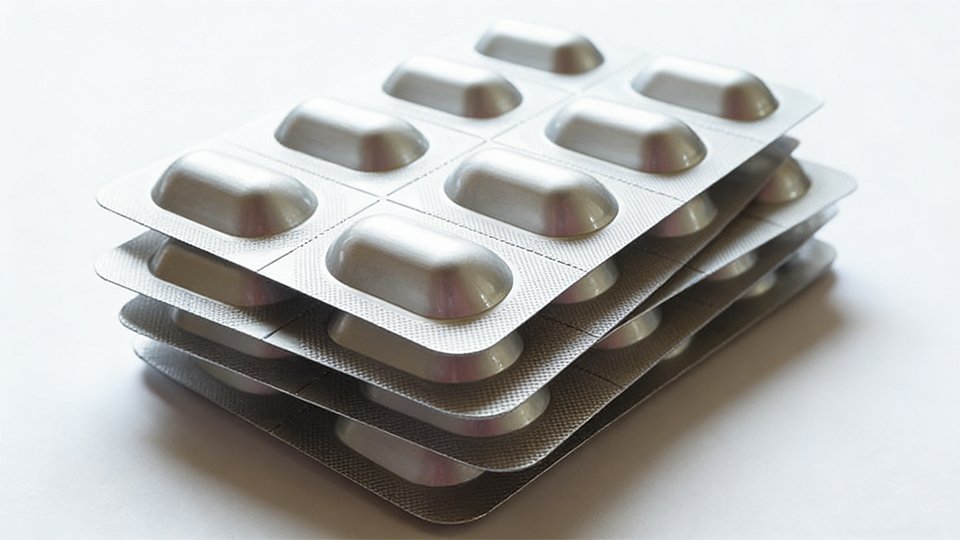
Cold-form blisters use aluminum-based laminates that are pressed rather than molded. They provide superior moisture and oxygen barrier properties compared to standard PVC blisters, making them ideal for highly sensitive pharmaceuticals.
Advantages:
♦ Maximum shelf-life extension
♦ Stronger barrier for adherence strip packaging
♦ Compatible with high-speed blister packing machines
3. Strip Blisters
Strip blisters, or foil-sealed strip packs, are long, narrow packs that hold individual doses in a continuous row. They are light, compact, and support patient adherence by making it easy to track daily doses. Many nutraceuticals and over-the-counter medicines use strip blister packaging for convenience.
Blister packs and strip packs use similar key materials to keep tablets and capsules safe, easy to handle, and stable. The right combination affects shelf life, patient convenience, and production efficiency, which is why single-dose packs are in such high demand. Here’s a quick look at the four main materials:
■ Aluminum Foil
Aluminum foil acts as the primary barrier in both capsule blister pack and strip formats, protecting sensitive products like vitamin C, or fish oil capsules from moisture, oxygen, and light.
■ Plastic Films
Plastic films, usually PVC or PET, form the pockets that hold each pill. They are smooth and flexible, keeping tablets safe and even letting you print batch numbers directly on the pack.
■ Multi-Layer Laminates
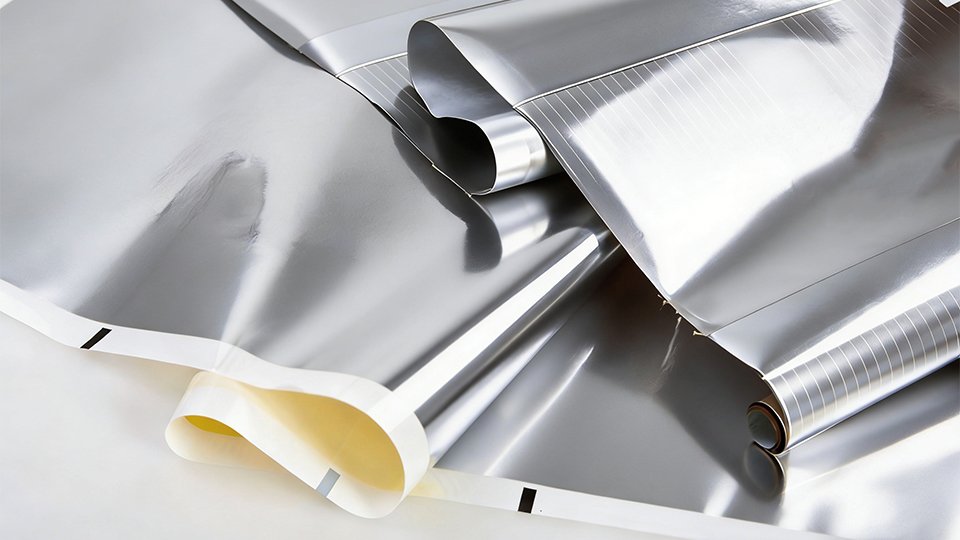
Seen in daily vitamin strips or medicine strip packaging, these laminates mix foil and plastic to protect the medicine, make packs easy to handle, and keep costs manageable.
■ Specialty Films
Specialty films serve unique needs, such as moisture-resistant layers for powders, child-resistant features, or transparent films for visual inspection.
From foil to sheet, production shapes, fills, seals and inspects each dose with industrial care. The process uses precise materials and high-speed blister packing machines. The following is an overview of the blister packing process.
■ Forming
This step defines the structure of a capsule blister pack. The plastic heats up and molds into neat little pockets, perfectly shaped for each tablet or capsule. Fragile pills get a deeper, rounded home so they don’t get hurt along the way.
■ Filling
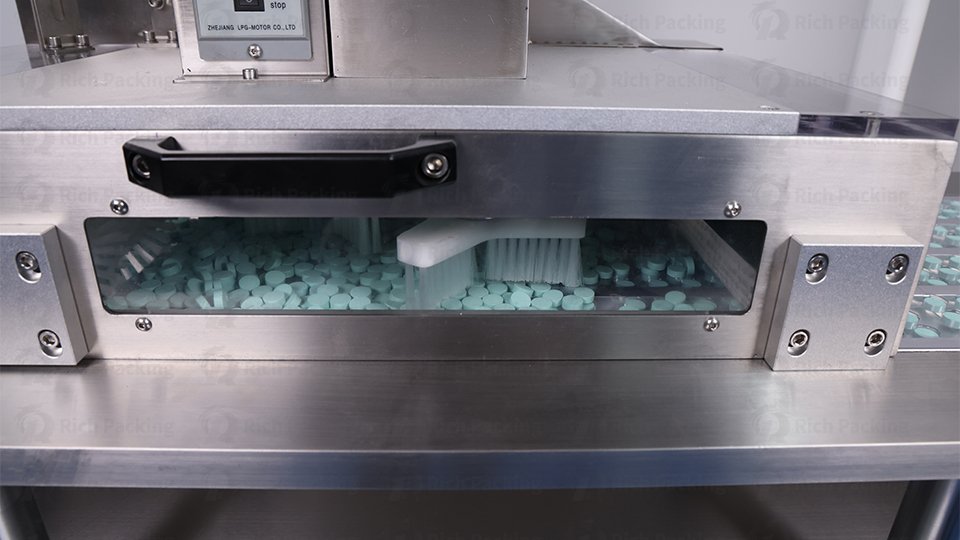
Next, tablets slide into place like clockwork. Machines move fast, filling thousands of pockets every hour without missing a single one.
■ Sealing
A layer of foil presses down over each pocket, locking out moisture, light, and dust. Each dose is safely tucked away.
■ Cutting and Finishing
Sheets are later sliced into strips or cards, sometimes scored or numbered so patients can track daily doses with ease.
■ Quality Inspection
Finally, cameras and sensors scan every pack. Missing pills, misaligned pockets, or weak seals are caught and removed, leaving only perfect packs.
By the end, raw plastic and foil have become tiny protective homes for medicine, delivered dose by dose.
Despite its seemingly straightforward design, blister packs raise a lot of questions for both manufacturers and users. Let’s break it down in plain terms.
Q1: Can blister packs be recycled?
It’s a tricky question. Many blister packs combine PVC and aluminum, making recycling difficult. Some regions offer specialized pharmaceutical recycling, but availability varies. Always check local options.
Q2: Are all medicines suitable for blister packs?
Not always. Very moisture-sensitive, oily, sticky, or oversized tablets may need bottles or strip packs instead. Stability studies usually guide the choice.
Q3: How long do tablets last in a blister pack?
Blister packs protect pills from humidity and light, often extending shelf life by 6 to 12 months compared with non-sealed formats.
Q4: Can you remove pills from a blister pack?
Yes, but one dose at a time is best. Once removed, pills are more exposed to moisture and handling, which can affect quality. This is also why users often ask how long do tablets last out of a blister pack.
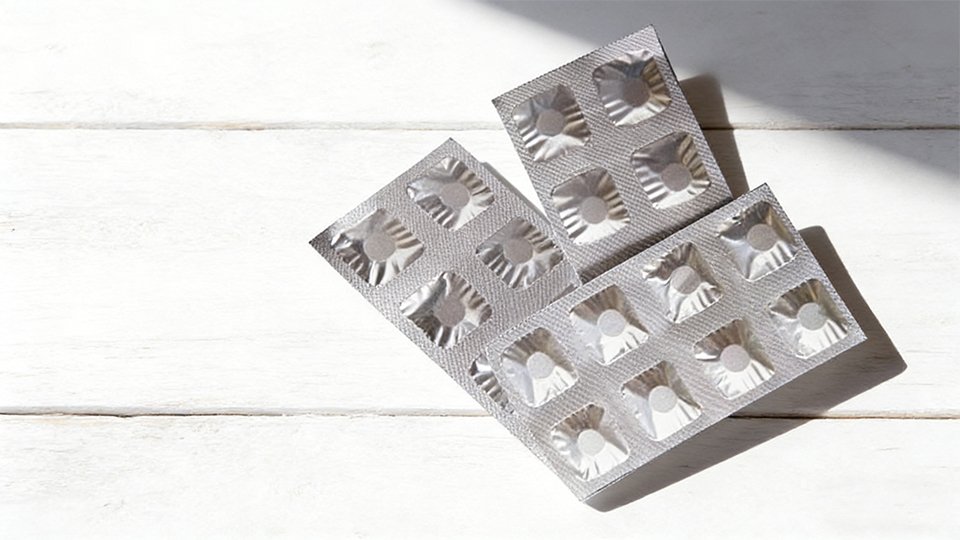
Strip packaging is a way to package tablets or capsules in a row, sealed between foil and plastic layers for protection and easy dosing. Every day you grab your daily vitamin medicine strip from the bathroom cabinet, peel, take one at a time. Such convenience is the result of careful design: each tablet stays safe from moisture and light, while printed markings or scoring help you track doses.
For manufacturers, strip packs support fast production and precise handling, making them ideal for moisture-sensitive tablets and adherence-focused products. From vitamins and probiotics to over-the-counter medicines, strip packs deliver single doses in a safe, practical, and patient-friendly way.
Strip pack manufacturing is a highly controlled process that focuses on precision, speed, and product safety. Here’s a look at how a strip goes from raw materials to a pack ready for use.
1. Film Preparation
Plastic base films are laminated, printed, and scored as needed.
2. Filling
Tablets are accurately placed in cavities or on the strip at high speed.
3. Sealing
Foil or laminate is heat-sealed to form a moisture- and oxygen-proof barrier.
4. Cutting and Scoring
Strips are cut and perforated for easy dose removal.
5. Quality Control
Machines check for missing tablets, misaligned doses, and seal defects, rejecting faulty strips.
Having covered how each format is built and what materials they use, it’s time to put them side by side. Manufacturers do not pick a format for style alone. They balance barrier performance, line speed, cost and patient use cases, and that trade-off drives very different choices on the factory floor. The following table provides an overview of the difference between blister packaging and strip packaging.
Table 1-Comparison Between Blister Packaging vs Strip Packaging
|
Comparison Aspect |
Blister Packaging |
Strip Packaging |
|
Moisture & Light Protection |
★★★★★ |
★★★☆☆ |
|
Patient Convenience |
★★★★☆ |
★★★★★ |
|
Production Speed |
★★★☆☆ |
★★★★★ |
|
ประสิทธิภาพด้านต้นทุน |
★★★☆☆ |
★★★★☆ |
|
การตรวจสอบย้อนกลับและการควบคุมปริมาณยา |
★★★★★ |
★★★☆☆ |
|
ความยืดหยุ่นของเครื่องจักร |
★★★★☆ |
★★★☆☆ |
● การป้องกันความชื้นและแสงแดด
โดยทั่วไปแล้ว บรรจุภัณฑ์แบบแผงพลาสติกให้การปกป้องสูงสุด เนื่องจากยาเม็ดแต่ละเม็ดบรรจุอยู่ในช่องที่ปิดผนึกแยกกัน หากจำเป็น อาจใช้ระบบปิดผนึกเย็นแบบอะลูมิเนียม-อะลูมิเนียม เมื่อต้องการการป้องกันสูงสุด
● ความสะดวกสบายของผู้ป่วย
บรรจุภัณฑ์แบบแถบบาง พกพาสะดวก และฉีกหรือลอกออกได้ง่ายทีละโดส ซึ่งช่วยให้รับประทานได้ต่อเนื่องทุกวัน ส่วนบรรจุภัณฑ์แบบแผงพลาสติกใสช่วยปกป้องยา แต่ผู้ใช้บางรายพบว่าแบบที่ต้องกดเปิดนั้นยากกว่า
● ความเร็วในการผลิต
สายการผลิตแบบแถบมักจะมีอัตราการผลิตต่อเนื่องที่เร็วกว่า เพราะการปิดผนึกและการตัดทำได้ง่ายกว่า ในขณะที่สายการผลิตแบบแผงพลาสติกใช้เวลานานกว่าต่อรอบการผลิต เพราะต้องขึ้นรูปช่องว่างแล้วปิดผนึกอย่างแม่นยำ
● ประสิทธิภาพด้านต้นทุน
โดยทั่วไปแล้ว แผ่นบรรจุภัณฑ์แบบแถบจะใช้ปริมาณวัสดุน้อยกว่าแผ่นบรรจุภัณฑ์แบบแผงพลาสติกถึง 30-40 เปอร์เซ็นต์ ซึ่งหมายถึงต้นทุนด้านวัสดุและพลังงานที่ต่ำลงเมื่อผลิตในปริมาณมาก
● การตรวจสอบย้อนกลับและการควบคุมปริมาณยา
บรรจุภัณฑ์แบบแผงยาแยกยาแต่ละโดสออกจากกันทั้งทางสายตาและทางกลไก ทำให้เหมาะสำหรับการให้ยาในทางคลินิก การป้องกันการปลอมแปลง และการติดตามแบบมีหมายเลขกำกับ ส่วนบรรจุภัณฑ์แบบแถบยาก็สามารถควบคุมปริมาณยาได้เช่นกัน แต่โดยทั่วไปแล้วจะต้องมีการพิมพ์เพิ่มเติมหรือการเจาะรูเพื่อให้มีความชัดเจนเท่ากัน
● ความยืดหยุ่นของเครื่องจักร
เครื่องจักรทั้งสองประเภทมีความยืดหยุ่นสูง สายการผลิตแบบแผงพลาสติกต้องเปลี่ยนแม่พิมพ์หรือเครื่องมือสำหรับช่องว่างที่แตกต่างกัน ในขณะที่สายการผลิตแบบแผ่นพลาสติกโดยทั่วไปจะปรับรูปแบบด้วยการเปลี่ยนแปลงทางกลไกที่ง่ายกว่า
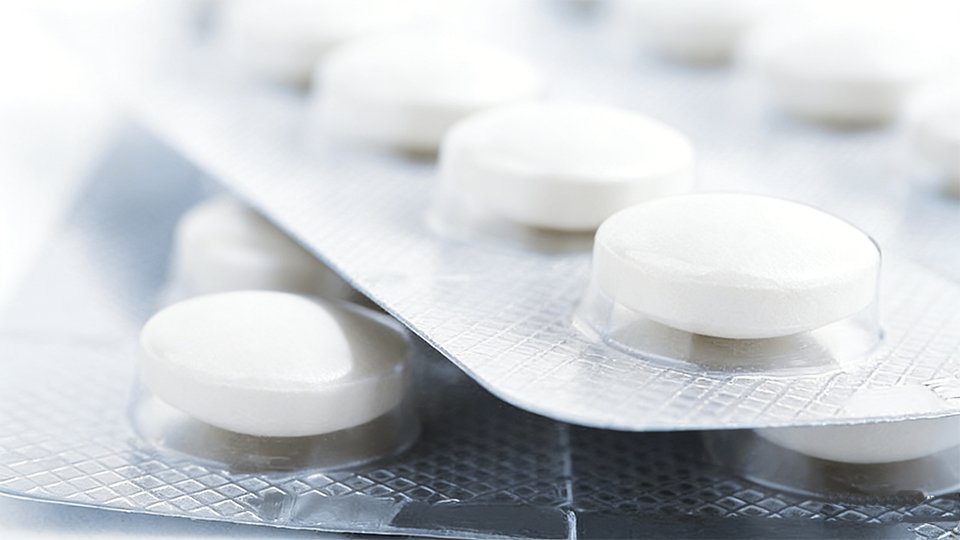
บรรจุภัณฑ์แบบแผงยา (Blister packaging) มักเป็นตัวเลือกแรกเมื่อต้องการการปกป้องสูงและการควบคุมปริมาณยาอย่างแม่นยำ เนื่องจากประสิทธิภาพที่ยอดเยี่ยมในการปกป้องยา จึงมีการใช้กันอย่างแพร่หลายในอุตสาหกรรมยาและผลิตภัณฑ์เสริมอาหารระดับสูง ซึ่งความเสถียรและความปลอดภัยของผู้ป่วยเป็นสิ่งสำคัญที่สุด
■ ข้อดี
1. ป้องกันความชื้น ออกซิเจน และแสงได้อย่างดีเยี่ยม ด้วยช่องปิดผนึกแยกแต่ละช่อง
2. การแบ่งขนาดยาอย่างชัดเจนช่วยให้การปฏิบัติตามคำแนะนำง่ายขึ้น และสนับสนุนการทดลองทางคลินิกหรือการติดตามตามลำดับ
3. การออกแบบที่ป้องกันการปลอมแปลงช่วยเสริมสร้างความไว้วางใจของผู้ป่วย
4. เหมาะสำหรับรูปทรงที่ซับซ้อนและยาเม็ดเคลือบ รวมถึงยาโปรไบโอติกและยาเคลือบลำไส้
■ ข้อเสีย
1. การขึ้นรูปด้วยความร้อนและการปิดผนึกที่แม่นยำทำให้เครื่องมือและอุปกรณ์มีราคาสูงขึ้น
2. สายการผลิตแบบแผงพลาสติกอาจช้ากว่าสายการผลิตแบบแถบต่อเนื่องเล็กน้อย
3. การเปลี่ยนแม่พิมพ์หรือรูปทรงของโพรงแม่พิมพ์ต้องใช้เวลา ซึ่งอาจจำกัดความยืดหยุ่นสำหรับการผลิตในปริมาณน้อยหรือผลิตภัณฑ์หลายแบบ
บรรจุภัณฑ์แบบแถบ (Strip packaging) เหมาะอย่างยิ่งสำหรับงานที่ต้องการความรวดเร็ว พกพาสะดวก และเรียบง่าย เป็นที่นิยมสำหรับยาเม็ดที่จำหน่ายโดยไม่ต้องมีใบสั่งแพทย์ วิตามิน และอาหารเสริม โดยเฉพาะในตลาดที่มีปริมาณการผลิตสูง
■ ข้อดี
1. การปิดผนึกและตัดอย่างต่อเนื่องทำให้การผลิตรวดเร็ว ซึ่งช่วยลดต้นทุนต่อหน่วยลงได้
2. น้ำหนักเบาและพกพาสะดวก ผู้ป่วยสามารถลอกหรือฉีกแผ่นยาแต่ละแผ่นได้ง่าย
3. ต้นทุนวัสดุและพลังงานต่ำกว่าเมื่อเทียบกับบรรจุภัณฑ์แบบแผงพลาสติกใส
4. เครื่องสามารถรองรับยาเม็ดที่มีขนาดและรูปทรงแตกต่างกันได้ โดยต้องปรับแต่งเพียงเล็กน้อย
■ ข้อเสีย
1. ป้องกันความชื้นและแสงได้น้อยกว่าเมื่อเทียบกับบรรจุภัณฑ์แบบแผงพลาสติกที่ปิดสนิท
2. การแบ่งโดสอาจต้องมีการเจาะรูเพิ่มเติมหรือติดฉลากเพื่อความชัดเจน
3. ไม่เหมาะสำหรับยาเม็ดที่มีความละเอียดอ่อนสูงหรือยาเม็ดเฉพาะทาง
การเดินทางของยาเม็ดตั้งแต่เครื่องอัดเม็ดจนถึงผู้ป่วยสิ้นสุดลงที่บรรจุภัณฑ์ การตัดสินใจขั้นสุดท้ายนี้จะเป็นตัวกำหนดว่ายาจะถึงมือผู้ป่วยอย่างสมบูรณ์ ใช้งานง่าย และปลอดภัย หรือจะเสื่อมสภาพในด้านความคงตัวและการยึดเกาะ การทำความเข้าใจจุดแข็งและข้อเสียของบรรจุภัณฑ์แบบแผงยาและบรรจุภัณฑ์แบบแถบยาจะช่วยให้ผู้ผลิตตัดสินใจได้อย่างชาญฉลาดมากขึ้นทั้งในด้านการผลิตและผู้ใช้ปลายทาง
การเลือกใช้บรรจุภัณฑ์แบบแผงพลาสติกหรือแบบแถบพลาสติกนั้นขึ้นอยู่กับปัจจัยด้านการปกป้องสินค้า ความสะดวก และประสิทธิภาพ
● การป้องกันความชื้นและแสงแดด
ยาบรรจุในแผงพลาสติกใสให้การปกป้องที่แข็งแรงด้วยช่องปิดผนึก ช่วยป้องกันยาจากความชื้นและแสง ส่วนยาบรรจุในแผงพลาสติกแบบแถบก็ให้การปกป้องที่ดีเช่นกัน แต่ความแข็งแรงของเกราะป้องกันจะลดลงเมื่อเวลาผ่านไป
● ความสะดวกสบายของผู้ป่วย
แผงยาฉีกเปิดง่ายและเหมาะสำหรับวิตามินเสริมอาหารประจำวัน ส่วนแผงยาแบบพลาสติกช่วยจัดระเบียบปริมาณยา แต่การแกะยาออกจากแผงอาจทำได้ยากสำหรับผู้สูงอายุ
● ความเร็วในการผลิต
แผ่นฟิล์มบางๆ ผลิตได้เร็วกว่าและถูกกว่า เนื่องจากไม่ต้องขึ้นรูปเป็นช่องว่าง ส่วนแผ่นฟิล์มแบบแผงต้องใช้แม่พิมพ์และการปิดผนึกที่แม่นยำ ซึ่งทำให้เสียเวลาและต้นทุนเพิ่มขึ้น
● ประสิทธิภาพด้านต้นทุน
แผงยาใช้ต้นทุนวัสดุและพลังงานน้อยกว่า ทำให้ประหยัดงบประมาณได้มากกว่า ในขณะที่บรรจุภัณฑ์แบบแผงพลาสติกต้องใช้การเตรียมการและวัสดุมากกว่า ซึ่งอาจทำให้ต้นทุนสูงขึ้น
● การตรวจสอบย้อนกลับและการควบคุมปริมาณยา
เมื่อเปรียบเทียบกับแผงยาแบบแถบ แผงยาแบบแผงพลาสติกจะแยกยาแต่ละโดสออกจากกันอย่างชัดเจน ซึ่งช่วยให้ติดตามปริมาณยาได้ง่ายขึ้น
● ความยืดหยุ่นของเครื่องจักร
เครื่องผลิตยาเม็ดแบบแผงต้องเปลี่ยนแม่พิมพ์สำหรับผลิตภัณฑ์ที่แตกต่างกัน ในขณะที่เครื่องผลิตยาเม็ดแบบแถบสามารถปรับให้เข้ากับขนาดยาเม็ดที่หลากหลายได้โดยไม่ต้องปรับแต่งมากนัก
สำหรับผู้ผลิต การเลือกใช้บรรจุภัณฑ์แบบแผงหรือแบบแถบนั้นเป็นสิ่งสำคัญ บรรจุภัณฑ์แบบแผงเหมาะที่สุดสำหรับการปกป้องและแยกขนาดยาอย่างชัดเจน เหมาะสำหรับยาเม็ดเคลือบหรือยาที่ต้องการอายุการเก็บรักษานานและการติดตามที่แม่นยำ ในขณะที่บรรจุภัณฑ์แบบแถบนั้นสะดวก รวดเร็ว และประหยัดต้นทุน เหมาะสำหรับผลิตภัณฑ์เสริมอาหารประจำวันหรือการผลิตจำนวนมากที่มีความยืดหยุ่น กล่าวโดยสรุป การตัดสินใจขั้นสุดท้ายขึ้นอยู่กับความไวของผลิตภัณฑ์ การใช้งานของผู้ป่วย และเป้าหมายการผลิต
การเลือกเครื่องบรรจุภัณฑ์ที่เหมาะสมมีความสำคัญไม่แพ้การเลือกรูปแบบที่เหมาะสม สำหรับผู้ผลิตแล้ว นั่นหมายถึงของเสียที่น้อยลง ผลผลิตที่เร็วขึ้น และการบำรุงรักษาที่ง่ายขึ้น มาดูกันให้ชัดเจนว่าอะไรคือสิ่งสำคัญในกระบวนการบรรจุแบบแถบและแบบแผง
แม้ว่าบรรจุภัณฑ์แบบแถบจะดูใช้งานง่าย แต่สายการผลิตก็ต้องเผชิญกับความท้าทายทั่วไปดังนี้:
● หากผงหรือเม็ดยาเรียงตัวไม่ตรง อาจทำให้การปิดผนึกไม่ดีหรือแถบยาติดขัดได้
● น้ำหนักบรรจุที่ไม่สม่ำเสมออาจนำไปสู่การปฏิเสธยาหรือข้อผิดพลาดในการติดฉลาก
แล้วจะจัดการกับปัญหาเหล่านี้อย่างไร? ในยุคปัจจุบัน เครื่องบรรจุภัณฑ์แบบแถบ แก้ไขปัญหาเหล่านี้ด้วยระบบป้อนวัสดุที่แม่นยำ การออกแบบป้องกันการอุดตัน และการควบคุมปริมาณที่แม่นยำ เพื่อให้การผลิตราบรื่นและลดของเสียให้น้อยที่สุด
ระบบการป้อนอาหารที่แม่นยำ: เครื่องป้อนยาแบบสั่นจะหยอดเม็ดยาหรือแคปซูลนิ่มลงในตำแหน่งที่ต้องการอย่างแม่นยำ
การควบคุมความตึงและการเคลื่อนไหวของฟิล์ม: ระบบเซอร์โวหรือ PLC ช่วยให้แถบวัสดุเรียบเนียนและปราศจากรอยย่น
การปิดผนึกและการตัดแบบซิงโครไนซ์: ช่วยให้การวางตำแหน่งยาเป็นไปอย่างสม่ำเสมอและลดโอกาสการเกิดข้อผิดพลาด
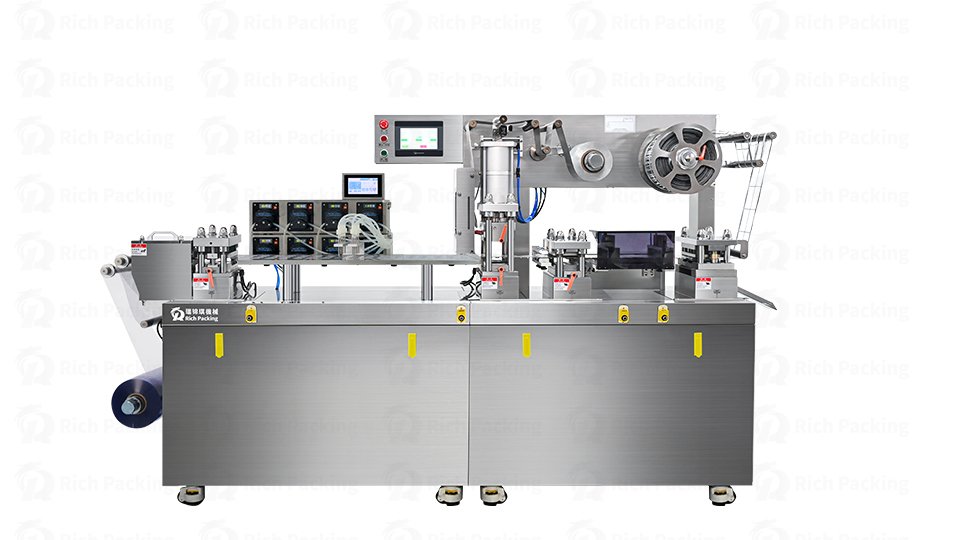
บรรจุภัณฑ์แบบแผงพลาสติกมีข้อกำหนดที่สำคัญเฉพาะตัว ซึ่งเป็นเหตุผลที่ผู้ผลิตต้องพึ่งพาบรรจุภัณฑ์ประเภทนี้ เครื่องบรรจุภัณฑ์แบบแผงพลาสติกอัตโนมัติ พร้อมด้วยระบบการขึ้นรูป การปิดผนึก และการตรวจสอบที่เสถียร
■ การเปลี่ยนและจัดตำแหน่งแม่พิมพ์ทำได้ง่ายและแม่นยำ
เครื่องจักรบรรจุภัณฑ์คุณภาพสูงช่วยลดความยุ่งยากในการเปลี่ยนแม่พิมพ์และการจัดตำแหน่งด้วยคุณสมบัติหลายประการ:
ล้อหมุนภายนอก: ปรับแต่งได้อย่างรวดเร็วและใช้งานง่าย
การออกแบบแม่พิมพ์แบบโมดูลาร์: ช่องดึงออกช่วยให้สามารถเปลี่ยนชุดอุปกรณ์ทั้งหมดได้ภายใน 10 นาที
เครื่องหมายบอกระดับแบบดิจิทัล: มีการยืนยันด้วยภาพทันทีที่แต่ละสถานี
การทำงานด้วยระบบเซอร์โว: ระยะดึงที่แม่นยำและการจัดแนวที่สมบูรณ์แบบ
■ คุณภาพการปิดผนึกและการพิมพ์ที่สม่ำเสมอ
การปิดผนึกที่สม่ำเสมอและการพิมพ์ที่ชัดเจนมีความสำคัญอย่างยิ่งสำหรับบรรจุภัณฑ์แบบแถบ การปิดผนึกที่ไม่สม่ำเสมอหรือเครื่องหมายที่ไม่ชัดเจนอาจทำให้ความชื้นเข้าไป ทำให้ยาเม็ดเสียหาย หรือทำให้ผู้ป่วยสับสน ด้วยความเข้าใจอย่างลึกซึ้งในประเด็นเหล่านี้ Rich Packing จึงให้การสนับสนุนผู้ผลิตด้วยเครื่องบรรจุภัณฑ์แบบแผงยาขั้นสูงที่สามารถระบุปัญหาเหล่านี้ได้อย่างแม่นยำ
การปิดผนึกอย่างสม่ำเสมอ ระบบการซีลความร้อนแบบสองกระบอกสองแกน ช่วยให้แรงดันสม่ำเสมอ การยึดเกาะแข็งแรง และลวดลายเรียบเนียนปราศจากรอยย่น
การตัดที่แม่นยำ: เครื่องตัด DC53 นำเข้าจากญี่ปุ่น สร้างขอบที่เรียบเนียน ปราศจากเสี้ยน ทำให้แผ่นพลาสติกบรรจุภัณฑ์ดูเรียบร้อยและทนทาน
ด้วยคุณสมบัติเหล่านี้ เครื่องบรรจุภัณฑ์แบบแผงพลาสติกของ Rich Packing จึงรับประกันทั้งความเร็วและความแม่นยำ ช่วยให้ผู้ผลิตรักษาคุณภาพที่สม่ำเสมอ พร้อมทั้งลดเวลาหยุดทำงานและการปรับแต่งด้วยตนเอง
การเลือกใช้บรรจุภัณฑ์แบบแผงยาหรือแบบแถบยา มีผลต่อความปลอดภัยของยา ความรวดเร็วในการส่งยาถึงมือผู้ป่วย และความสะดวกในการใช้งาน บรรจุภัณฑ์แบบแผงยาช่วยปกป้องยาแต่ละโดสได้อย่างสมบูรณ์แบบและติดตามการใช้งานได้อย่างชัดเจน ในขณะที่บรรจุภัณฑ์แบบแถบยานั้นเรียบง่าย ผลิตได้รวดเร็ว และพกพาสะดวก
เครื่องจักรที่ทันสมัยสามารถสร้างความแตกต่างได้อย่างแท้จริง เครื่องบรรจุภัณฑ์แบบแผงพลาสติกของ Rich Packing ช่วยให้เปลี่ยนแม่พิมพ์ได้อย่างรวดเร็วและปิดผนึกได้อย่างสม่ำเสมอ ช่วยให้ผู้ผลิตสามารถส่งมอบบรรจุภัณฑ์ที่เชื่อถือได้โดยไม่ทำให้กระบวนการผลิตช้าลง
[1] รายงานตลาดบรรจุภัณฑ์แบบแผงยา, ข้อมูลเชิงลึกตลาดในอนาคต 2025–2035 — การคาดการณ์และการวิเคราะห์มูลค่าตลาดบรรจุภัณฑ์แบบแผงยาสำหรับเภสัชภัณฑ์ทั่วโลก
https://www.databridgemarketresearch.com/reports/global-pharmaceutical-blister-packaging-market
[2] ขนาดตลาด ส่วนแบ่ง และแนวโน้มของบรรจุภัณฑ์แผงยา รายงาน Reanin — ส่วนแบ่งและข้อมูลเชิงลึกเกี่ยวกับการใช้งานยาเม็ดรับประทาน
[3] การคาดการณ์ตลาดบรรจุภัณฑ์แบบหน่วยเดียว 2024–2029, DRI/MarketsandMarkets — การเติบโตของบรรจุภัณฑ์แบบหน่วยเดียวและปัจจัยขับเคลื่อนตลาด
จบส่วน

29+ years in pharmaceutical machinery, covering capsule filling, tablet pressing, blister packaging, tablet and capsule counting, cartoning, GMP production, and overseas machine service.

ส่งอีเมล : manager@richpacking.cn
Building D, No. 226, Beishan Qiaotou Street, Haizhu District, Guangzhou City, Guangdong Province, China


 รองรับเครือข่าย IPv6