






 บ้าน
บ้าน ผลิตภัณฑ์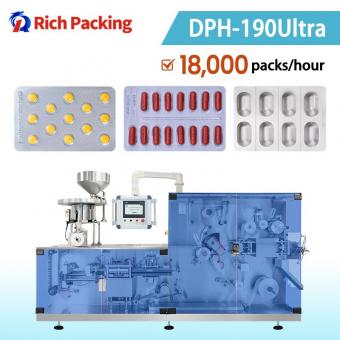
29+ years in pharmaceutical machinery, covering capsule filling, tablet pressing, blister packaging, tablet and capsule counting, cartoning, GMP production, and overseas machine service.

ลองนึกภาพการรับประทานยาเม็ดโดยไม่ต้องดื่มน้ำตาม คุณเพียงแค่เอายาเม็ดวางไว้บนลิ้น และภายในไม่กี่วินาที ยาเม็ดก็จะแตกตัวและกลืนได้ง่าย นี่คือหลักการพื้นฐานของยาเม็ดละลายในปาก (ODTs)
ยาเม็ดละลายในปาก (Orally disintegrating tablet หรือ ODT) ได้กลายเป็นรูปแบบยาที่สำคัญสำหรับยาที่ต้องการให้รับประทานได้ง่าย สำหรับเด็ก ผู้สูงอายุ และผู้ที่มีปัญหาในการกลืน ยาเม็ด ODT เหมาะสมกว่ายาเม็ดทั่วไป
ข้อดีของยาเม็ดละลายเร็ว (ODT) มาพร้อมกับข้อกำหนดเพิ่มเติมในการผลิตและบรรจุภัณฑ์ แตกต่างจากยาเม็ดทั่วไป ยาเม็ดละลายเร็วต้องมีคุณสมบัติการแตกตัวอย่างรวดเร็ว ความแข็งแรงเชิงกลที่เพียงพอ และความเสถียรที่เหมาะสม ซึ่งส่งผลโดยตรงต่อการเลือกสูตร กระบวนการผลิต และอุปกรณ์
บทความนี้จะพาคุณไปทำความเข้าใจกระบวนการผลิตและบรรจุภัณฑ์ยาเม็ดละลายในปากอย่างครบถ้วน
ส่วนนี้จะแนะนำว่ายาเม็ดละลายในปากคืออะไร ยาเหล่านี้ละลายในปากได้อย่างรวดเร็วได้อย่างไร และผู้ป่วยกลุ่มใดที่จะได้รับประโยชน์สูงสุดจากยารูปแบบนี้
ยาเม็ดชนิดละลายในช่องปากได้รับการออกแบบมาให้แตกตัวอย่างรวดเร็วในช่องปาก สามารถดูดซึมได้โดยไม่ต้องเคี้ยวหรือดื่มน้ำ
เมื่อวางยาเม็ดละลายในปาก (ODT) บนลิ้น น้ำลายจะเริ่มทำให้ยาเม็ดเปียก จากนั้นน้ำจะซึมเข้าไปในโครงสร้างที่มีรูพรุน ทำให้พันธะระหว่างอนุภาคอ่อนลง และกระตุ้นสารช่วยแตกตัว ยาเม็ดจะแตกตัวอย่างรวดเร็วเป็นอนุภาคเล็กๆ ทำให้สามารถกลืนได้
คุณสมบัติของยาเม็ดละลายในปากทำให้ยาชนิดนี้มีประโยชน์อย่างยิ่งสำหรับผู้ที่มีปัญหาในการกลืนยาเม็ดทั่วไป
ยาเม็ดละลายในปาก (ODT) ช่วยลดความยุ่งยากในการบริหารยาและช่วยแก้ไขอุปสรรคบางประการในการรับประทานยาได้ องค์การอาหารและยา (FDA) ระบุอย่างชัดเจนว่าผู้ป่วยเด็กและผู้สูงอายุ ผู้ที่มีปัญหาในการกลืน และผู้ป่วยบางรายที่อาจมีปัญหาเรื่องการปฏิบัติตามคำแนะนำของแพทย์ เป็นกลุ่มผู้ป่วยที่อาจได้รับประโยชน์จากยาในรูปแบบนี้
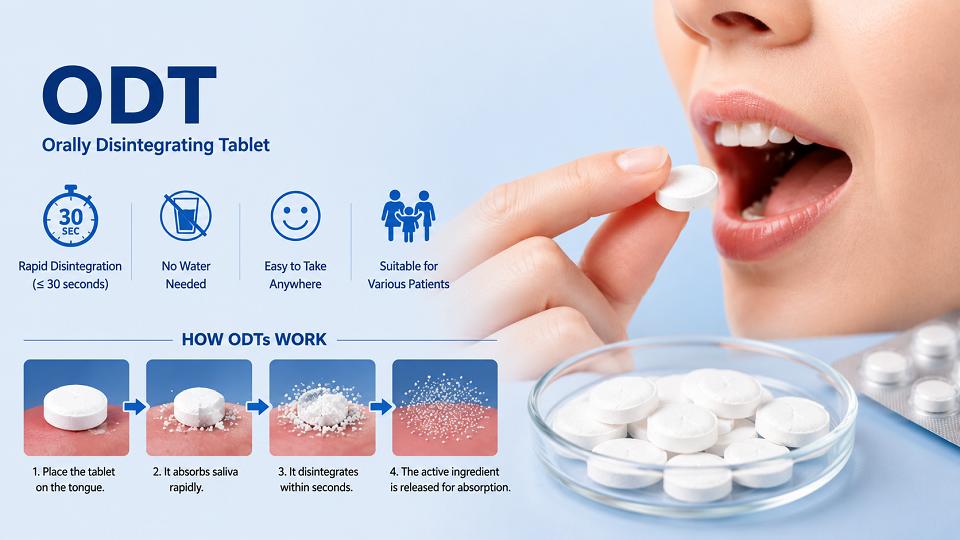
ยาเม็ดละลายในปาก
จากมุมมองของการผลิตยา ผู้ผลิตยาเม็ดละลายในปากจำเป็นต้องพิจารณาความต้องการของตลาด ข้อกำหนดด้านกฎระเบียบ คุณสมบัติของวัสดุ เทคโนโลยีการผลิต อุปกรณ์ และการป้องกันบรรจุภัณฑ์ในฐานะระบบแบบบูรณาการ
ยาเม็ดแบบดั้งเดิมยังคงเป็นรูปแบบยาเม็ดรับประทานที่ใช้กันอย่างแพร่หลายที่สุดรูปแบบหนึ่ง แต่ผู้ป่วยต้องกลืนยาเม็ดที่เป็นของแข็งทั้งก้อนโดยต้องดื่มน้ำตาม ซึ่งอาจเป็นเรื่องยากสำหรับผู้ป่วยบางกลุ่ม ยาเม็ดละลายในปาก (ODT) แก้ไขข้อจำกัดนี้โดยการนำเสนอรูปแบบยาที่สามารถแตกตัวได้อย่างรวดเร็วในปาก
สำหรับบริษัทเภสัชกรรม นี่เป็นโอกาสสร้างข้อได้เปรียบหลายประการ
ยาเม็ดละลายในช่องปากมีข้อกำหนดด้านประสิทธิภาพที่เข้มงวดกว่ายาเม็ดทั่วไป เนื่องจากได้รับการออกแบบให้แตกตัวอย่างรวดเร็วในช่องปาก ดังนั้น ผู้ผลิตจึงจำเป็นต้องควบคุมไม่เพียงแต่คุณภาพของสารออกฤทธิ์ทางเภสัชกรรม (API) เท่านั้น แต่ยังรวมถึงคุณลักษณะที่สำคัญอื่นๆ เช่น การแตกตัว การละลาย ความสม่ำเสมอของขนาดยา ความแข็งแรงเชิงกล และความคงตัวต่อความชื้นด้วย
สำหรับผู้ผลิตที่มุ่งเป้าหมายไปยังตลาดเภสัชกรรมหลัก กรอบการทำงานของ US FDA/USP และ EU GMP/European Pharmacopoeia (Ph. Eur.) ถือเป็นแหล่งอ้างอิงที่สำคัญที่สุด
สหรัฐอเมริกา: องค์การอาหารและยา (FDA)
ในสหรัฐอเมริกา องค์การอาหารและยา (FDA) ได้เผยแพร่ข้อมูลดังกล่าวคำแนะนำสำหรับอุตสาหกรรม: ยาเม็ดละลายในปากซึ่งให้คำแนะนำเฉพาะเจาะจงสำหรับการพัฒนาผลิตภัณฑ์ ODT
การแตกตัวอย่างรวดเร็วเป็นหนึ่งในข้อกำหนดที่สำคัญที่สุด ตามที่องค์การอาหารและยา (FDA) กำหนด เวลาในการแตกตัวในหลอดทดลองของยาเม็ดละลายเร็ว (ODT) จะอยู่ที่ประมาณหรือภายใน 30 วินาที แนวทางดังกล่าวยังกล่าวถึงปัจจัยต่างๆ เช่น ขนาดของเม็ดยา น้ำหนัก ความสามารถในการละลายของส่วนประกอบในสูตร และความแข็งแรงเชิงกล ตัวอย่างเช่น โดยทั่วไปแล้ว FDA แนะนำให้เม็ดยาเม็ดละลายเร็ว (ODT) มีน้ำหนักไม่เกิน 500 มิลลิกรัม เว้นแต่จะสามารถให้เหตุผลที่เหมาะสมในการใช้น้ำหนักที่มากกว่านั้นได้
ยุโรป: มาตรฐาน GMP ของสหภาพยุโรป
ในยุโรป การผลิตยาเม็ดละลายเร็ว (ODT) ต้องปฏิบัติตามข้อกำหนด GMP ของสหภาพยุโรปที่เกี่ยวข้อง ซึ่งระบุไว้ในยูดราเล็กซ์ เล่ม 4กรอบงาน GMP ครอบคลุมการผลิต การควบคุมคุณภาพ สถานที่ อุปกรณ์ สุขอนามัย เอกสาร การป้องกันการปนเปื้อน และการควบคุมกระบวนการ
สำหรับอุปกรณ์และกระบวนการผลิต ข้อกำหนด EU GMP Annex 15 – การรับรองคุณสมบัติและการตรวจสอบความถูกต้อง มีความสำคัญเป็นอย่างยิ่ง ข้อกำหนดนี้กำหนดให้ผู้ผลิตต้องระบุส่วนสำคัญของโรงงาน อุปกรณ์ สาธารณูปโภค และกระบวนการ และแสดงให้เห็นว่าได้รับการรับรองคุณสมบัติและตรวจสอบความถูกต้องอย่างเหมาะสม ซึ่งเกี่ยวข้องโดยตรงกับอุปกรณ์การผลิตยาเม็ดละลายเร็ว (ODT) เช่น เครื่องบด เครื่องบดอัดเม็ด เครื่องอบแห้งแบบฟลูอิดเบด เครื่องอัดเม็ด และเครื่องบรรจุภัณฑ์
คุณสมบัติทางวัสดุของยาเม็ดละลายในปากส่งผลโดยตรงต่อกระบวนการผลิตและทำให้แตกต่างจากยาเม็ดทั่วไป คุณสมบัติที่สำคัญที่สุด ได้แก่ ความสามารถในการไหล การอัดตัว ขนาดอนุภาค ความไวต่อความชื้น และประสิทธิภาพการแตกตัว
ความสามารถในการไหล
ความสามารถในการไหลที่ดีเป็นสิ่งสำคัญสำหรับการป้อนและการบรรจุแม่พิมพ์ที่สม่ำเสมอ อย่างไรก็ตาม สูตรยาเม็ดละลายเร็วบางชนิดมีส่วนประกอบที่มีรูพรุนสูงหรือมีความหนาแน่นต่ำ ซึ่งอาจทำให้ความสามารถในการไหลแย่ลง ส่งผลให้การบรรจุแม่พิมพ์ไม่สม่ำเสมอและน้ำหนักเม็ดยาเปลี่ยนแปลง ทำให้การเตรียมและการผสมผงยาจึงมีความสำคัญเป็นพิเศษ
ความสามารถในการบีบอัด
ยาเม็ดละลายเร็ว (ODT) ควรมีความแข็งแรงเชิงกลเพียงพอ ในขณะเดียวกันก็ต้องคงความพรุนไว้เพื่อให้แตกตัวได้อย่างรวดเร็ว การอัดแน่นมากเกินไปอาจลดความพรุนและทำให้การแตกตัวช้าลง ในขณะที่การอัดแน่นน้อยเกินไปอาจทำให้ยาเม็ดเปราะ ดังนั้นจึงต้องปรับแรงอัดให้เหมาะสมอย่างระมัดระวัง
ขนาดและการกระจายตัวของอนุภาค
ขนาดอนุภาคมีผลต่อการไหลของผง ความสม่ำเสมอในการผสม การแยกตัว และพฤติกรรมการอัดขึ้นรูป การกระจายขนาดอนุภาคที่เหมาะสมและค่อนข้างสม่ำเสมอจะช่วยให้มั่นใจได้ถึงการป้อนที่เสถียรและคุณภาพของเม็ดยาที่สม่ำเสมอ ดังนั้น การบดและการร่อนจึงอาจต้องมีการควบคุมที่เข้มงวดกว่าสำหรับสูตรยาเม็ดแบบดั้งเดิมบางสูตร
ความไวต่อความชื้น
สูตรยาเม็ดละลายเร็ว (ODT) หลายชนิดมีความไวต่อความชื้น ความชื้นสามารถเปลี่ยนแปลงความสามารถในการไหล การอัดตัว และประสิทธิภาพของสารช่วยแตกตัวของผงยา รวมทั้งส่งผลต่อความเสถียรและการแตกตัวของยาเม็ดสำเร็จรูปด้วย ดังนั้น การควบคุมความชื้นในระหว่างกระบวนการผลิตและการอบแห้งจึงมีความสำคัญเป็นอย่างยิ่ง
ประสิทธิภาพการแตกตัว
สูตรตำรับยาต้องมีส่วนประกอบที่ช่วยให้โมเลกุลน้ำซึมผ่านได้อย่างรวดเร็วและทำให้เม็ดยาแตกตัวได้ง่าย ชนิดและปริมาณของสารช่วยแตกตัว ความพรุนของสูตรตำรับยา และสภาวะการอัดเม็ด ล้วนมีผลต่อประสิทธิภาพการแตกตัวของเม็ดยาในขั้นสุดท้าย ข้อกำหนดนี้ก่อให้เกิดความท้าทายสำคัญในการผลิต กล่าวคือ เม็ดยาต้องแข็งแรงพอสำหรับการจัดการ แต่ก็ต้องมีรูพรุนมากพอที่จะแตกตัวได้อย่างรวดเร็ว
ยาเม็ดละลายในปากสามารถผลิตได้โดยใช้เทคโนโลยีที่แตกต่างกัน ขึ้นอยู่กับคุณสมบัติ ลักษณะของสูตร ประสิทธิภาพการละลายที่ต้องการ ขนาดการผลิต และต้นทุน วิธีที่พบได้บ่อยที่สุด ได้แก่ การอัดโดยตรง การทำเม็ดและการอัด การแช่แข็งแบบแห้ง การขึ้นรูป และการระเหิด
|
วิธีการผลิต |
กระบวนการผลิต |
ข้อดี |
ข้อจำกัด |
|
การบีบอัดโดยตรง |
การบด การร่อน การผสม และการอัดผงผสมโดยตรงเป็นเม็ด โดยไม่ต้องผ่านขั้นตอนการทำแกรนูล |
กระบวนการนี้เรียบง่ายและใช้เวลาน้อย โดยใช้อุปกรณ์และต้นทุนการผลิตต่ำ และยังหลีกเลี่ยงการใช้น้ำในระหว่างกระบวนการทำเม็ดอีกด้วย |
วัสดุควรไหลและอัดได้ง่าย การไหลที่ไม่ดีหรือการแยกตัวของส่วนประกอบอาจส่งผลต่อน้ำหนักและความสม่ำเสมอของปริมาณสารในเม็ดยา ในขณะที่การอัดมากเกินไปอาจลดความพรุนและทำให้การแตกตัวช้าลง |
|
การอัดเม็ดและการอัด |
กระบวนการต่างๆ ประกอบด้วย การบด การร่อน การทำเม็ด การคัดขนาด การผสม และการอัดเม็ด โดยทั่วไปมักใช้การทำเม็ดแบบเปียกเพื่อปรับปรุงการไหลตัวของผงยา |
การทำเป็นเม็ดสามารถปรับปรุงการไหลของวัสดุ ความสามารถในการอัด และความสม่ำเสมอของส่วนประกอบ ทำให้เหมาะสำหรับสูตรที่ยากต่อการแปรรูปด้วยการอัดโดยตรง |
กระบวนการนี้อาจทำให้ต้นทุนสูงขึ้นเนื่องจากต้องมีขั้นตอนและอุปกรณ์เพิ่มเติม สำหรับการทำเม็ดแบบเปียก ต้องควบคุมความชื้นและสภาวะการอบแห้งอย่างระมัดระวังด้วย |
|
การทำแห้งแบบแช่แข็ง |
กระบวนการนี้เกี่ยวข้องกับการแช่แข็งสารละลายหรือสารแขวนลอย แล้วกำจัดตัวทำละลายที่แข็งตัวออกภายใต้สุญญากาศ ทำให้ได้โครงสร้างเม็ดยาที่มีรูพรุนสูง |
โครงสร้างที่มีรูพรุนสูงช่วยให้แตกตัวได้อย่างรวดเร็วมาก และให้ความรู้สึกนุ่มนวลและน่าพึงพอใจในปาก |
กระบวนการผลิตนี้ต้องใช้อุปกรณ์เฉพาะทาง ใช้เวลานานกว่า และมีต้นทุนการผลิตสูงกว่า นอกจากนี้ ยาเม็ดที่ผลิตด้วยวิธีแช่แข็งแห้งยังค่อนข้างเปราะบางและต้องได้รับการดูแลอย่างระมัดระวัง |
|
การขึ้นรูป |
การขึ้นรูปด้วยแรงดันต่ำหรือแรงดันช่วย จะช่วยเปลี่ยนสูตรยาให้เป็นเม็ดยาแทนการอัดขึ้นรูปด้วยแรงดันสูงแบบดั้งเดิม กระบวนการนี้สามารถทำให้ได้โครงสร้างเม็ดยาที่มีรูพรุน |
การขึ้นรูปช่วยให้เกิดการแตกตัวอย่างรวดเร็วโดยใช้แรงอัดค่อนข้างต่ำ |
เนื่องจากมีความแข็งแรงเชิงกลต่ำกว่า ยาเม็ดขึ้นรูปจึงมีโอกาสเสียหายได้ง่ายกว่าในระหว่างกระบวนการผลิตต่อไป ประสิทธิภาพการผลิตก็อาจต่ำกว่ายาเม็ดอัดแบบดั้งเดิมด้วย |
|
การระเหิด |
วิธีการนี้ใช้ส่วนผสมของวัสดุที่ระเหิดได้ หลังจากขึ้นรูปเม็ดยาแล้ว วัสดุดังกล่าวจะถูกกำจัดออกไปโดยกระบวนการระเหิด ทำให้เกิดโครงสร้างที่มีรูพรุนซึ่งช่วยให้เม็ดยาแตกตัวได้อย่างรวดเร็ว |
วิธีนี้สามารถช่วยเพิ่มความเร็วในการแตกตัวได้อย่างมาก โดยไม่ต้องพึ่งพาสารเร่งการแตกตัวในปริมาณสูงเพียงอย่างเดียว |
การกำจัดวัสดุที่ระเหยได้ต้องได้รับการควบคุมอย่างระมัดระวัง ยาเม็ดอาจมีความแข็งแรงเชิงกลต่ำกว่าด้วย |
การเลือกวิธีการผลิตยาเม็ดละลายในปากไม่ควรพิจารณาจากต้นทุนเพียงอย่างเดียว ต้องคำนึงถึงคุณสมบัติของวัสดุ ความเสถียรที่ต้องการ กำลังการผลิต ความซับซ้อนของกระบวนการ และต้นทุนการผลิตโดยรวมด้วย
ในบรรดาเทคโนโลยีที่มีอยู่ การอัดเม็ดโดยตรงและการทำเม็ดตามด้วยการอัดเม็ดนั้นมีความน่าสนใจเป็นพิเศษสำหรับการผลิตยาเม็ดแบบดั้งเดิม เนื่องจากทั้งสองวิธีสามารถบูรณาการเข้ากับสายการผลิตยาเม็ดที่มีอยู่แล้วได้ เรามาดูรายละเอียดของทั้งสองกระบวนการนี้กัน
การอัดเม็ดโดยตรงเป็นกระบวนการที่ค่อนข้างง่าย โดยนำผงยามาอัดเป็นเม็ดโดยตรงเครื่องอัดเม็ดยาโดยไม่ต้องผ่านกระบวนการบดละเอียด กระบวนการพื้นฐานคือ การบด การร่อน การผสม และการอัดเม็ด
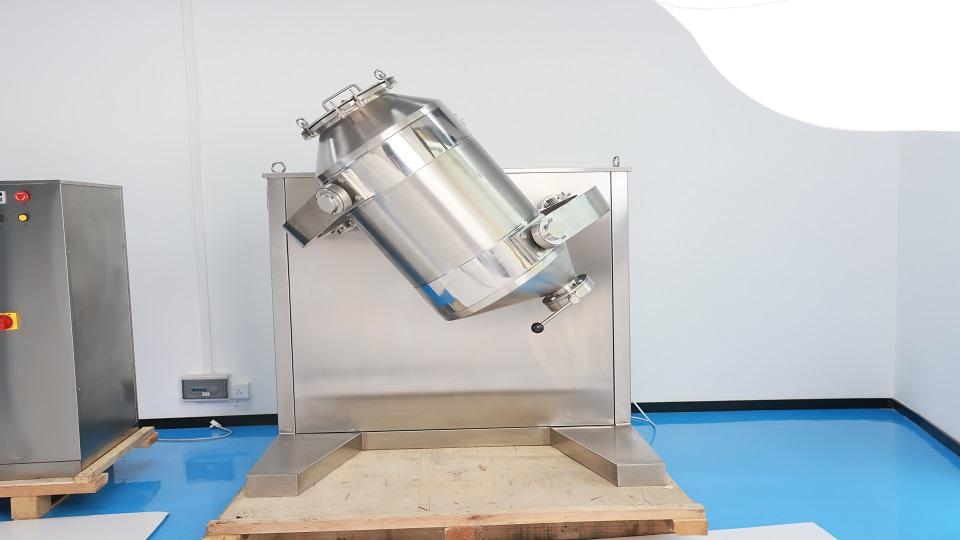 เครื่องผสมสามมิติจากบรรจุภัณฑ์ที่หลากหลาย
ขั้นตอนแรก วัตถุดิบจะผ่านเครื่องบดเพื่อลดขนาดอนุภาคและสลายก้อนที่จับตัวกัน จากนั้นจึงผ่านเครื่องร่อนเพื่อกำจัดอนุภาคขนาดใหญ่เกินไปและเพื่อให้ได้การกระจายขนาดอนุภาคที่สม่ำเสมอยิ่งขึ้น ผงที่เตรียมไว้จะถูกส่งไปยังเครื่องผสมผง ซึ่งการเคลื่อนไหวทางกลจะช่วยกระจายสารออกฤทธิ์และสารช่วยอย่างสม่ำเสมอ โดยทั่วไปจะใช้เครื่องผสมแบบตัววีและเครื่องผสมสามมิติ
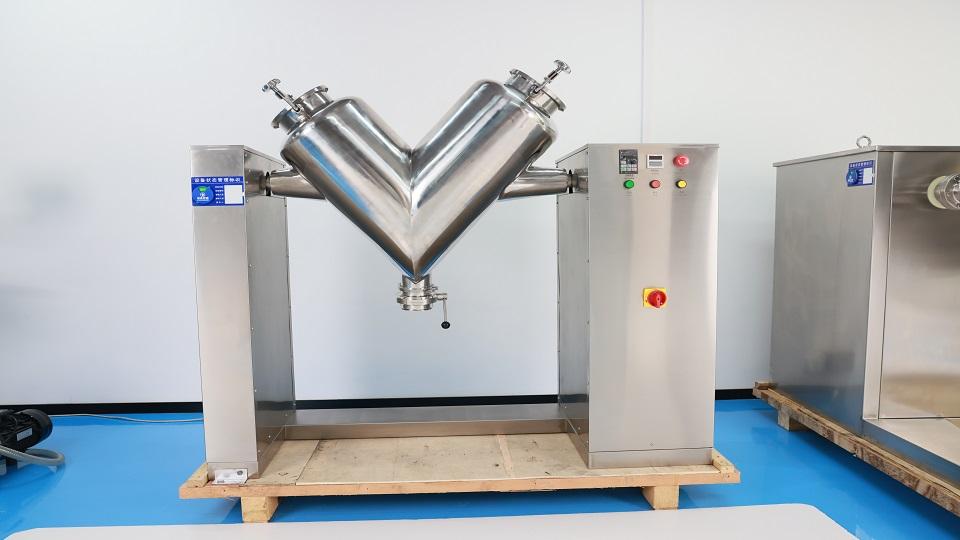 เครื่องผสมแบบ V จากบรรจุภัณฑ์คุณภาพสูง
หลังจากนั้น ส่วนผสมต่างๆ จะถูกป้อนเข้าสู่เครื่องอัดเม็ดโดยตรง ระบบป้อนส่วนผสมจะเติมผงลงในแม่พิมพ์อย่างต่อเนื่อง โดยความลึกของการเติมจะควบคุมน้ำหนักของเม็ดยา จากนั้นส่วนผสมจะผ่านกระบวนการอัดเบื้องต้นเพื่อไล่อากาศที่ติดอยู่ภายในออก ตามด้วยการอัดหลักเพื่อขึ้นรูปเม็ดยา สุดท้าย ตัวดันด้านล่างจะยกขึ้นเพื่อดันเม็ดยาออกจากแม่พิมพ์
สำหรับยาเม็ดละลายเร็ว (ODT) การอัดเม็ดต้องให้ความสำคัญเป็นพิเศษกับการรักษาสมดุลระหว่างความแข็งแรงเชิงกลและการแตกตัวอย่างรวดเร็ว การอัดมากเกินไปอาจลดความพรุนของเม็ดยาและทำให้การแตกตัวช้าลง ในขณะที่การอัดไม่เพียงพออาจทำให้เม็ดยาบิ่นหรือแตกหักได้ ดังนั้น พารามิเตอร์ต่างๆ เช่น น้ำหนักเม็ดยา ความหนา แรงอัด และความแข็ง จึงจำเป็นต้องได้รับการปรับให้เหมาะสมอย่างถูกต้อง
การทำเม็ดและการอัดเม็ดมีขั้นตอนการเตรียมและการอัดเม็ดที่คล้ายคลึงกัน แต่เพิ่มขั้นตอนการทำเม็ดแบบเปียกและการอบแห้งแบบฟลูอิดเบดเพื่อปรับปรุงความสามารถในการไหลและการอัดเม็ดของสูตรยา ขั้นตอนทั่วไปประกอบด้วย การบด การร่อน การทำเม็ดแบบเปียก การอบแห้งแบบฟลูอิดเบด การคัดขนาด การผสม และการอัดเม็ด
หลังจากบดและร่อนแล้ว ผงจะเข้าสู่เครื่องอัดเม็ดเปียกแบบแรงเฉือนสูง ใบพัดหมุนจะผสมวัสดุกับสารละลายยึดเกาะ และใบมีดสับจะบดและรวมวัสดุเข้าด้วยกันเพื่อสร้างเม็ดเปียกที่มีขนาดสม่ำเสมอ หลังจากนั้น ผงละเอียดจะถูกเปลี่ยนเป็นเม็ดที่มีคุณสมบัติการไหลและการอัดตัวที่ดีขึ้น
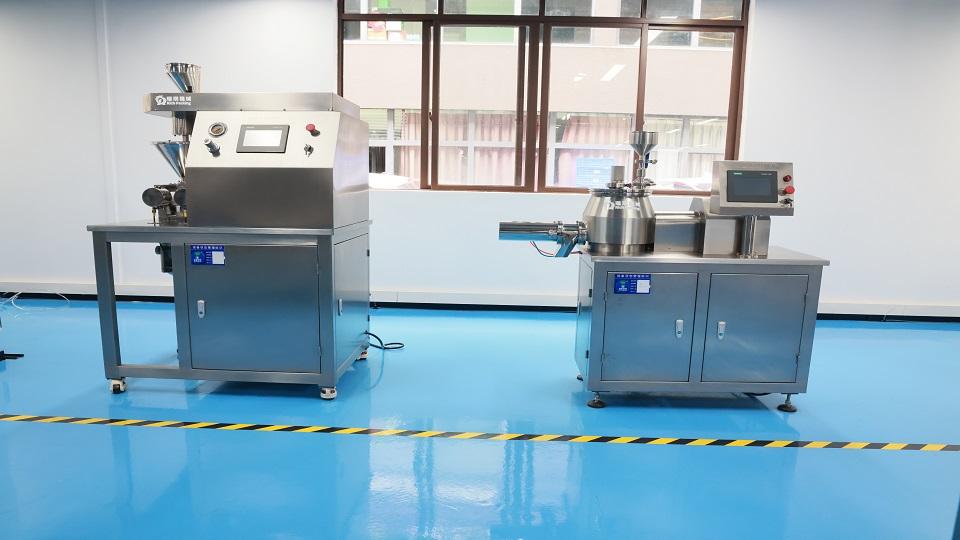 เครื่องอัดเม็ดแบบเปียก
จากนั้นจึงเข้าสู่กระบวนการอบแห้งแบบฟลูอิดเบด ในกระบวนการนี้ อากาศที่ถูกทำให้ร้อนและกรองแล้วจะไหลผ่านและทำให้เม็ดผงยาไหลตัว การสัมผัสอย่างต่อเนื่องระหว่างอากาศที่ใช้ในการอบแห้งและเม็ดผงยาที่เปียกจะช่วยส่งเสริมการกำจัดความชื้นอย่างรวดเร็วและสม่ำเสมอ อุณหภูมิของอากาศขาเข้า อัตราการไหลของอากาศ และเวลาในการอบแห้งจะต้องได้รับการควบคุมเพื่อให้ได้ความชื้นที่เหลืออยู่ตามที่ต้องการ เนื่องจากความชื้นที่มากเกินไปหรือน้อยเกินไปอาจส่งผลต่อการไหลของเม็ดผงยา ความแข็งแรงของเม็ดยา และการแตกตัวของยาเม็ดแบบ ODT
จากนั้นจะนำเม็ดผงแห้งไปผ่านกระบวนการคัดขนาดด้วยเครื่องคัดขนาดเพื่อแยกกลุ่มอนุภาคขนาดใหญ่เกินไปและให้ได้ขนาดอนุภาคที่เหมาะสม หลังจากนั้นจะถูกส่งไปยังเครื่องผสมเพื่อผสมกับสารหล่อลื่นและสารเพิ่มปริมาณชนิดอื่น ๆ ก่อนทำการอัดเม็ด
สุดท้ายนี้ เครื่องอัดเม็ดยาใช้สำหรับอัดเม็ดยาให้เป็นเม็ด เช่นเดียวกับการอัดโดยตรง แรงอัดต้องได้รับการปรับให้เหมาะสมเพื่อให้ได้ความแข็งแรงเชิงกลที่เพียงพอโดยไม่ลดความพรุนที่จำเป็นต่อการแตกตัวอย่างรวดเร็วมากเกินไป
เมื่อเปรียบเทียบกับการอัดโดยตรง กระบวนการนี้ให้การควบคุมการไหลและการอัดได้ดีกว่า แต่ต้องใช้อุปกรณ์เพิ่มเติม ใช้เวลาในการประมวลผลนานขึ้น และต้องควบคุมสภาวะการอัดและการอบแห้งอย่างเข้มงวดมากขึ้น
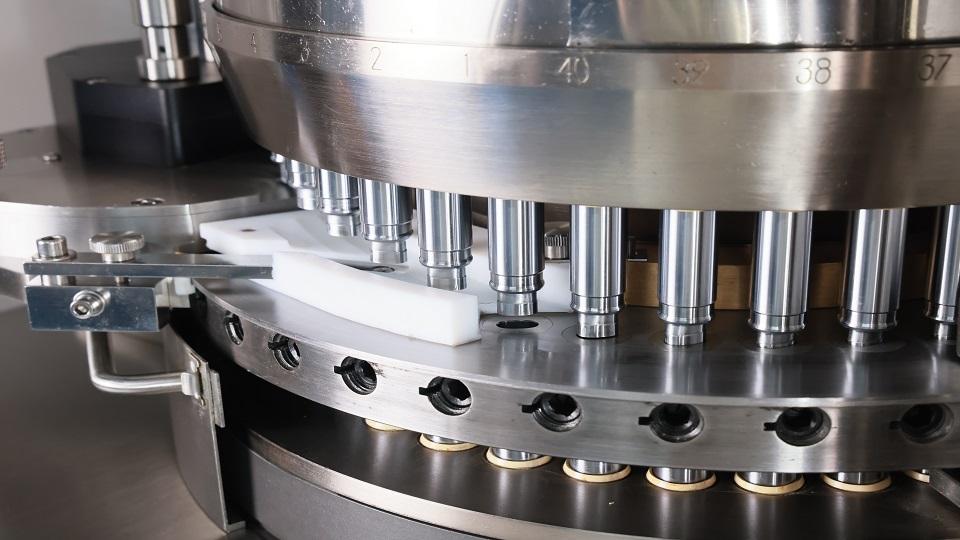 เครื่องอัดความเร็วสูงจาก Rich Packing
เมื่อกระบวนการอัดเม็ดเสร็จสมบูรณ์แล้ว ยาเม็ดละลายในปากยังไม่ใช่ผลิตภัณฑ์ยาที่เสร็จสมบูรณ์ ดังนั้นบรรจุภัณฑ์จึงมีความสำคัญเป็นพิเศษ เพราะคุณสมบัติของวัสดุที่ช่วยให้ยาเม็ดละลายในปากดูดซับน้ำลายและแตกตัวได้อย่างรวดเร็ว อาจทำให้ผลิตภัณฑ์นั้นมีความเปราะบางต่อความชื้นในสิ่งแวดล้อมมากขึ้นด้วย
สำหรับผลิตภัณฑ์ยาละลายเร็ว (ODT) หลายชนิด บรรจุภัณฑ์แบบแผงพลาสติก (blister packaging) เป็นตัวเลือกที่นิยมใช้ โดยเฉพาะอย่างยิ่งเมื่อการปกป้องยาแต่ละเม็ดและการป้องกันความชื้นมีความสำคัญ ตัวเลือกที่นิยมใช้สองแบบคือ แผงพลาสติกอลูมิเนียม-พีวีซี และแผงพลาสติกอลูมิเนียม-อลูมิเนียม
บรรจุภัณฑ์แบบแผงยาอลูมิเนียม-พีวีซี ใช้พีวีซีหรือพีวีซีเคลือบ PVDC เป็นฟิล์มขึ้นรูป และฟอยล์อลูมิเนียมเป็นวัสดุปิดฝา พีวีซีมีคุณสมบัติในการขึ้นรูปและความโปร่งใสที่ดี ในขณะที่ PVDC ช่วยเพิ่มคุณสมบัติในการป้องกันความชื้นและออกซิเจนได้ดีกว่าพีวีซีทั่วไป โครงสร้างนี้ให้ความชัดเจนที่ดี การออกแบบช่องว่างภายในที่ยืดหยุ่น ต้นทุนบรรจุภัณฑ์ค่อนข้างต่ำ และประสิทธิภาพการผลิตสูง ทำให้เป็นตัวเลือกที่ใช้กันอย่างแพร่หลายสำหรับยาเม็ดทั่วไป
สำหรับบรรจุภัณฑ์แบบแผงอลูมิเนียม (Alu-Alu blister packaging) นั้น วัสดุอลูมิเนียมถูกนำมาใช้ทั้งด้านขึ้นรูปและด้านฝาปิด เนื่องจากผลิตภัณฑ์ถูกห่อหุ้มด้วยวัสดุกั้นที่ทำจากอลูมิเนียม บรรจุภัณฑ์แบบแผงอลูมิเนียมจึงให้การปกป้องที่ดีเยี่ยมจากความชื้น ออกซิเจน และแสง รวมถึงการปกป้องที่แข็งแรงจากสภาพแวดล้อมภายนอกด้วย
บรรจุภัณฑ์อลูมิเนียม-อลูมิเนียมเหมาะอย่างยิ่งสำหรับยาเม็ดละลายในปาก เนื่องจากสูตรยาเม็ดละลายในปากหลายสูตรมีความไวต่อความชื้นและต้องอาศัยโครงสร้างรูพรุนที่ควบคุมอย่างระมัดระวัง การสัมผัสกับความชื้นระหว่างการเก็บรักษาอาจเปลี่ยนแปลงคุณสมบัติทางกายภาพของยาเม็ด ส่งผลต่อความแข็งแรงเชิงกลและพฤติกรรมการแตกตัว ประสิทธิภาพการกั้นสูงของบรรจุภัณฑ์อลูมิเนียม-อลูมิเนียมช่วยลดการซึมผ่านของความชื้นและรักษาประสิทธิภาพของยาเม็ดละลายในปากให้คงอยู่ตลอดอายุการเก็บรักษา
ดังนั้น แม้ว่า Alu-PVC/PVDC ยังคงเป็นตัวเลือกที่ใช้งานได้จริงและประหยัดสำหรับผลิตภัณฑ์ ODT หลายประเภท แต่โดยทั่วไปแล้ว Alu-Alu เป็นตัวเลือกที่นิยมมากกว่า โดยเฉพาะอย่างยิ่งเมื่อการป้องกันความชื้นเป็นสิ่งสำคัญ
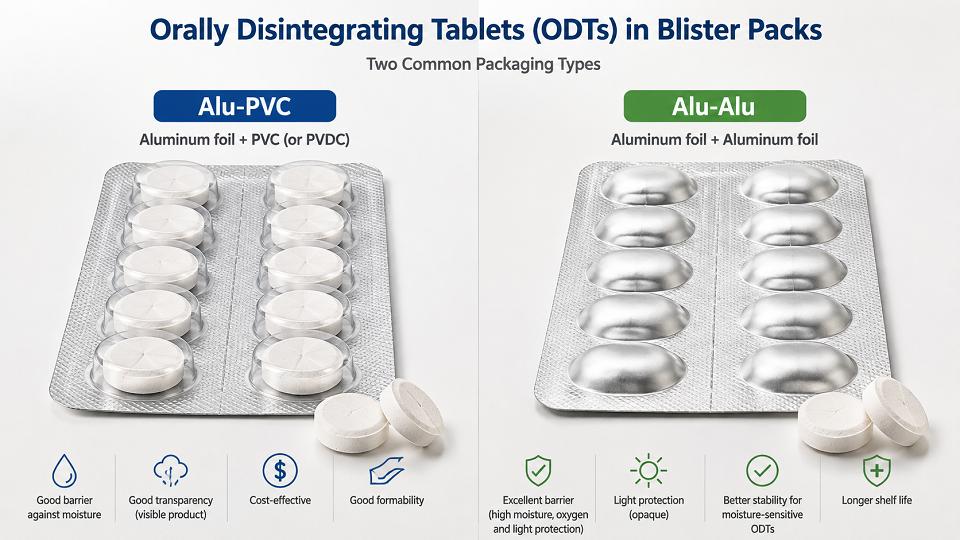
บรรจุภัณฑ์แบบแผงพลาสติกอลูมิเนียม-พีวีซี และอลูมิเนียม-อลูมิเนียม
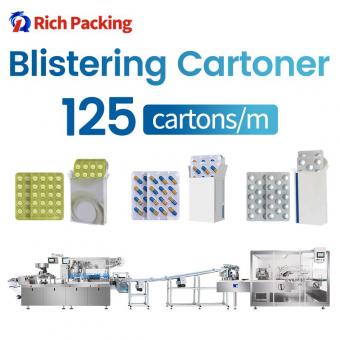
ตลอดทั้งสายการผลิต หลังจากอัดเม็ดแล้ว ยาเม็ดละลายในปากสามารถส่งต่อไปยังกระบวนการแปรรูปขั้นต่อไปได้โดยตรง ซึ่งรวมถึงเครื่องกำจัดฝุ่นและเครื่องตรวจจับโลหะ และอุปกรณ์บรรจุภัณฑ์ เช่น เครื่องบรรจุแผงยาและเครื่องบรรจุกล่อง
หลังจากผ่านเครื่องอัดเม็ดยาแล้ว เม็ดยาจะผ่านกระบวนการอื่นก่อนเครื่องกำจัดฝุ่นเม็ดยาซึ่งจะช่วยขจัดผงและอนุภาคที่หลุดร่วงออกจากผิวหน้ายาเม็ดอย่างอ่อนโยนเครื่องตรวจจับโลหะจากนั้นสามารถนำไปผสานรวมเข้ากับสายการผลิตเพื่อตรวจจับและคัดแยกเม็ดยาที่มีการปนเปื้อนโลหะโดยอัตโนมัติ ซึ่งจะช่วยปรับปรุงความปลอดภัยของผลิตภัณฑ์และการควบคุมคุณภาพ
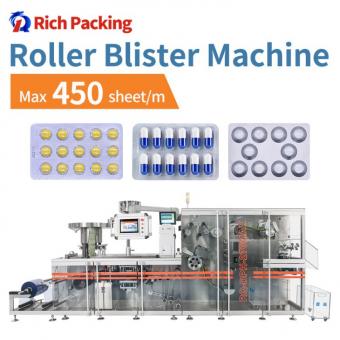
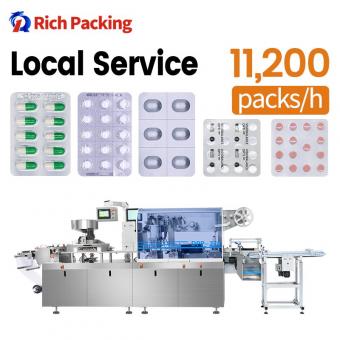
จากนั้นยาเม็ดเหล่านั้นก็จะเข้าสู่เครื่องบรรจุแผงพลาสติกเครื่องจักรจะขึ้นรูปช่องบรรจุยา ป้อนยาเม็ดลงในแต่ละช่องอย่างแม่นยำ ปิดด้วยแผ่นฟอยล์อะลูมิเนียม ปิดผนึกแผงยา และตัดแผงยาตามต้องการ
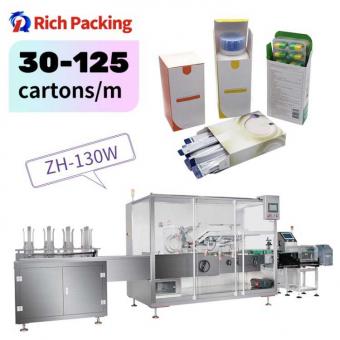
หลังจากบรรจุลงแผงยาแล้ว แผงยาเหล่านั้นจะถูกส่งไปยัง...เครื่องบรรจุกล่องเครื่องจักรจะเปิดและขึ้นรูปกล่องกระดาษแบนโดยอัตโนมัติ ใส่แผงยาและแผ่นพับข้อมูลลงในกล่อง และปิดกล่องเพื่อผลิตเป็นผลิตภัณฑ์บรรจุภัณฑ์สำเร็จรูป
กระบวนการแบบบูรณาการนี้เชื่อมโยงการอัดเม็ดยา การกำจัดฝุ่นและการตรวจจับโลหะ การบรรจุในแผงยา และการบรรจุลงกล่อง ช่วยลดการทำงานด้วยมือและเพิ่มประสิทธิภาพการผลิต สำหรับผลิตภัณฑ์ยาเม็ดละลายเร็ว (ODT) การควบคุมที่เหมาะสมตลอดทั้งสายการผลิตช่วยรักษาสภาพของเม็ดยา พร้อมทั้งให้การปกป้องที่เชื่อถือได้และบรรจุภัณฑ์ที่สะดวกสบาย
บรรจุภัณฑ์หรูหรา'สายการบรรจุกล่องพลาสติกใส
ยาเม็ดละลายในปากใช้กันอย่างแพร่หลายในอุตสาหกรรมยา ผลิตภัณฑ์เสริมอาหาร และผลิตภัณฑ์ดูแลสุขภาพอื่นๆ ความสามารถในการละลายอย่างรวดเร็วในปากทำให้สะดวกยิ่งขึ้น ในขณะที่ยังคงรักษาคุณประโยชน์ของยาเม็ดแบบแข็งไว้ได้ การอัดเม็ดโดยตรงและการบดเป็นเม็ดแล้วอัดเม็ด เป็นสองวิธีที่ใช้กันอย่างแพร่หลายในการผลิตในระดับอุตสาหกรรม
สำหรับผู้ผลิตยาเม็ดละลายเร็ว (ODT) การเลือกอุปกรณ์และกระบวนการผลิตที่เหมาะสมตามความต้องการในการผลิตนั้นมีความสำคัญอย่างยิ่ง บริษัท ริช แพ็คกิ้ง สามารถจัดหาเครื่องจักรครบวงจรสำหรับสายการผลิตและบรรจุภัณฑ์ทั้งหมด รวมถึงเครื่องบด เครื่องร่อน เครื่องผสมผง เครื่องทำเม็ดเปียก เครื่องอบแห้งแบบฟลูอิดเบด เครื่องคัดขนาด เครื่องอัดเม็ด เครื่องกำจัดฝุ่นเม็ด เครื่องตรวจจับโลหะ เครื่องบรรจุแผงยา และเครื่องบรรจุกล่อง
นอกจากนี้ เรายังนำเสนอโซลูชันการผลิตและบรรจุภัณฑ์ยาแบบครบวงจร โดยคำนึงถึงสูตรยา กำลังการผลิต คุณลักษณะของยาเม็ด ข้อกำหนดด้านบรรจุภัณฑ์ และสภาพแวดล้อมของโรงงานของลูกค้าแต่ละราย ทีมงานด้านเทคนิคของเราสามารถประเมินความต้องการของคุณและให้คำแนะนำอย่างมืออาชีพ รวมถึงโซลูชันที่ปรับแต่งได้ เพื่อช่วยให้คุณบรรลุการผลิตยาเม็ดละลายเร็ว (ODT) ที่มีเสถียรภาพ มีประสิทธิภาพ และเชื่อถือได้
ยาเม็ดละลายในปาก (Orally disintegrating tablets หรือ ODT) เป็นยาเม็ดชนิดแข็งที่ออกแบบมาให้แตกตัวอย่างรวดเร็วในปาก โดยปกติไม่จำเป็นต้องกลืนยาเม็ดพร้อมน้ำ สำหรับผู้ป่วยที่มีปัญหาในการกลืนยาเม็ดทั่วไป ยาเม็ด ODT จึงเป็นทางเลือกที่สะดวกกว่า
ตามข้อมูลขององค์การอาหารและยา (FDA) เวลาในการแตกตัวในหลอดทดลองของยาเม็ดละลายเร็ว (ODT) จะอยู่ที่ประมาณหรือต่ำกว่า 30 วินาที อย่างไรก็ตาม ข้อกำหนดเฉพาะเกี่ยวกับการแตกตัวนั้นขึ้นอยู่กับสูตรของผลิตภัณฑ์ มาตรฐานข้อบังคับที่เกี่ยวข้อง และวิธีการทดสอบที่ได้รับการรับรอง
ผู้ป่วยที่มีปัญหาในการกลืน เช่น เด็ก ผู้สูงอายุ และผู้ป่วยที่มีข้อจำกัดในการกลืนบางประการ จะได้รับประโยชน์อย่างมากจาก ODT
การอัดเม็ดโดยตรงเป็นการผสมผงที่เตรียมไว้แล้วและอัดเป็นเม็ดโดยตรง ส่วนการทำแกรนูลจะเพิ่มขั้นตอนการทำแกรนูลและการอบแห้งก่อนการอัดเม็ด ซึ่งสามารถปรับปรุงการไหลและการอัดของผงได้ วิธีนี้มีประโยชน์เมื่อสูตรยาไม่เหมาะสมกับการอัดเม็ดโดยตรง แต่ต้องใช้อุปกรณ์ ขั้นตอนการประมวลผล และการควบคุมกระบวนการที่ซับซ้อนกว่า
วัสดุผสมระหว่างอลูมิเนียมและพีวีซี/พีดีวีดี มีคุณสมบัติในการขึ้นรูปที่ดี มองเห็นได้ชัดเจน และคุ้มค่า ในขณะที่อลูมิเนียมผสมอลูมิเนียมให้การป้องกันความชื้น ออกซิเจน และแสงได้ดีกว่ามาก อลูมิเนียมผสมอลูมิเนียมจึงมักเป็นที่นิยมใช้สำหรับยาละลายในปากที่ไวต่อความชื้นเป็นพิเศษ การเลือกใช้วัสดุควรพิจารณาจากอายุการเก็บรักษา สภาพการจัดเก็บ และต้นทุนเป็นหลัก

29+ years in pharmaceutical machinery, covering capsule filling, tablet pressing, blister packaging, tablet and capsule counting, cartoning, GMP production, and overseas machine service.

ส่งอีเมล : manager@richpacking.cn
Building D, No. 226, Beishan Qiaotou Street, Haizhu District, Guangzhou City, Guangdong Province, China


 รองรับเครือข่าย IPv6