






 บ้าน
บ้าน ผลิตภัณฑ์
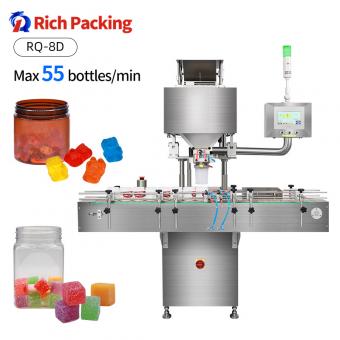
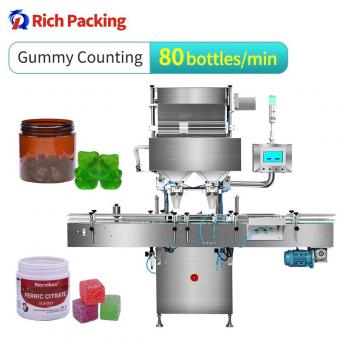
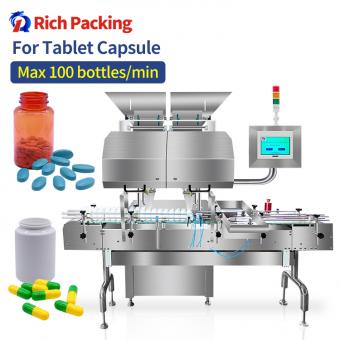
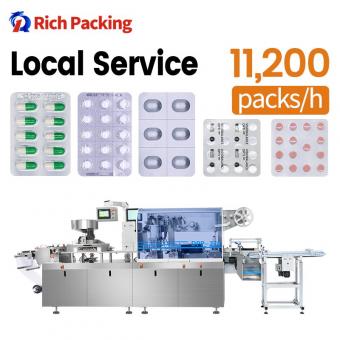
29+ years in pharmaceutical machinery, covering capsule filling, tablet pressing, blister packaging, tablet and capsule counting, cartoning, GMP production, and overseas machine service.

เปิดขวดยาสองขวดและบรรจุภัณฑ์ใต้ฝาอาจดูแตกต่างกันโดยสิ้นเชิง ขวดหนึ่งเปิดออกแล้วพบเม็ดยาโดยตรง อีกขวดมีแผ่นรองนุ่มอยู่ภายในฝา ขวดที่สามปิดด้วยฟอยล์อะลูมิเนียม ขณะที่อีกขวดใช้ทั้งฟอยล์และแถบรัดหดด้านนอก
ความแตกต่างเหล่านี้เป็นสิ่งที่ตั้งใจไว้ ซีลขวดยาจะถูกเลือกตามผลิตภัณฑ์ วัสดุขวด อายุการเก็บรักษา ความไวต่อความชื้น ความเสี่ยงการรั่วไหล สภาพการขนส่ง และความต้องการด้านการแสดงหลักฐานการเปิดบรรจุภัณฑ์
ซีลเป็นเพียงส่วนหนึ่งของบรรจุภัณฑ์เท่านั้น ขวด ฝา แผ่นรอง สารดูดความชื้น อุปกรณ์ซีล และกระบวนการตรวจสอบต้องทำงานร่วมกัน แผ่นรองที่แข็งแรงไม่สามารถแก้ไขปัญหาปากขวดที่ไม่สม่ำเสมอ แรงบิดฝาที่ไม่คงที่ หรือการจัดการที่ไม่ดีบนสายการบรรจุได้
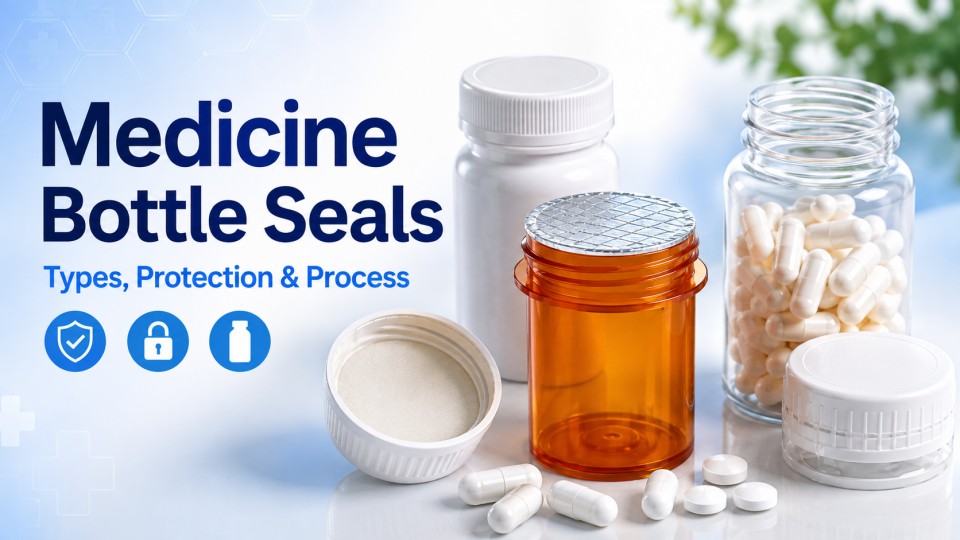
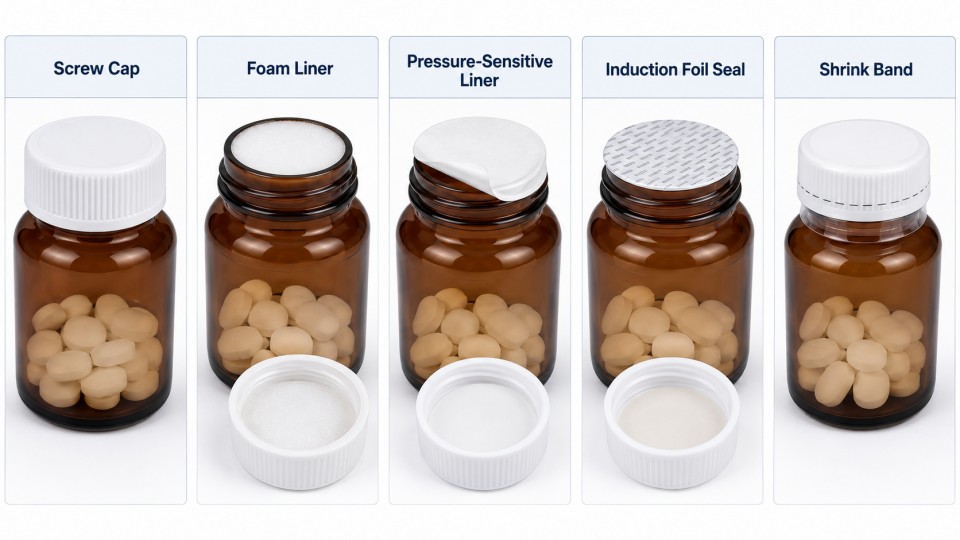
ซีลขวดยาคือส่วนประกอบที่ปิดขวด ปกป้องสิ่งที่อยู่ภายใน หรือแสดงว่าบรรจุภัณฑ์ถูกเปิดแล้วหรือไม่ ซีลเหล่านี้อาจประกอบด้วยฝาเกลียว ฝาป้องกันเด็ก แผ่นรองโฟม แผ่นรองแบบไวต่อแรงกด ซีลฟอยล์เหนี่ยวนำไฟฟ้า วงแหวนแสดงการเปิด หรือแถบรัดหด
ฝาและซีลไม่ได้ทำหน้าที่เหมือนกันเสมอไป ฝาทำหน้าที่ปิดขวดและสามารถเปิดใหม่ได้ ซีลด้านในสร้างแนวกั้นข้ามปากขวด คุณสมบัติแสดงการเปิดจะแสดงหลักฐานที่มองเห็นได้ของการเปิด ขณะที่ฝาป้องกันเด็กทำให้เด็กเล็กเข้าถึงได้ยากขึ้น
ฝาเกลียวสามารถใช้ซ้ำได้และติดตั้งได้ง่ายบนสายการผลิตอัตโนมัติ บางแบบมีวงแหวนขาดที่แยกออกเมื่อเปิดครั้งแรก แบบอื่นใช้การกดแล้วหมุนหรือบีบแล้วหมุนเพื่อป้องกันเด็ก
ฝาป้องกันเด็กไม่ได้ให้การป้องกันความชื้นหรือการรั่วไหลที่ดีโดยอัตโนมัติ จึงมักใช้ร่วมกับแผ่นรองด้านในหรือซีลฟอยล์ ฝาที่เอียงหรือขันไม่สม่ำเสมออาจทำให้แผ่นรองสัมผัสได้ไม่เต็มที่
แผ่นรองโฟมอยู่ภายในฝา เมื่อขันฝาให้แน่น โฟมจะถูกกดกับขอบขวดและช่วยเติมช่องว่างเล็ก ๆ
แผ่นรองโฟมให้การรองรับแรงกระแทกและการสัมผัสเพื่อการซีลพื้นฐานสำหรับผลิตภัณฑ์แห้งที่มีข้อกำหนดด้านการกั้นไม่สูง เนื่องจากไม่ได้ยึดติดทั่วปากขวด จึงให้การแสดงหลักฐานการเปิดได้น้อยกว่าหลักฐานการเปิดบรรจุภัณฑ์เมื่อเทียบกับฟอยล์เหนี่ยวนำไฟฟ้า
แผ่นรองแบบไวต่อแรงกดมีพื้นผิวกาวที่ยึดติดกับขอบขวดเมื่อมีแรงกดจากฝา โดยไม่จำเป็นต้องใช้อุปกรณ์ซีลแบบเหนี่ยวนำ
แผ่นรองชนิดนี้พบได้บ่อยกว่าในผลิตภัณฑ์เสริมอาหารแห้ง ผลิตภัณฑ์อาหาร และการใช้งานบรรจุภัณฑ์แบบง่าย ไม่ควรถือว่าเป็นซีลหลักมาตรฐานสำหรับยาที่ไวต่อความชื้น ผลิตภัณฑ์ที่มีอายุเก็บรักษานาน หรือการขนส่งระหว่างประเทศที่มีข้อกำหนดสูง
การเปลี่ยนแปลงอุณหภูมิ การสั่นสะเทือน ระยะเวลาการเก็บรักษา แรงกดของฝา และความสะอาดของขอบขวดอาจส่งผลต่อการยึดติด ดังนั้นการใช้งานทางเภสัชกรรมควรได้รับการทดสอบภายใต้สภาพการเก็บรักษาและการขนส่งที่สมจริงก่อนเลือกซีลนี้
ฟอยล์เหนี่ยวนำไฟฟ้าเป็นหนึ่งในซีลขวดยาที่พบเห็นได้ทั่วไปที่สุด มีลักษณะเป็นแผ่นอะลูมิเนียมที่ยึดติดทั่วปากขวด
โดยทั่วไปแผ่นรองประกอบด้วยฟอยล์อะลูมิเนียมและชั้นซีลด้วยความร้อนที่เลือกให้เหมาะกับวัสดุขวด โดยวางไว้ภายในฝา หลังจากปิดฝาแล้ว ขวดจะผ่านใต้หัวซีลแบบเหนี่ยวนำ สนามแม่เหล็กไฟฟ้าจะทำให้ฟอยล์ร้อนและกระตุ้นชั้นซีล ซึ่งจะยึดติดกับขอบขวด
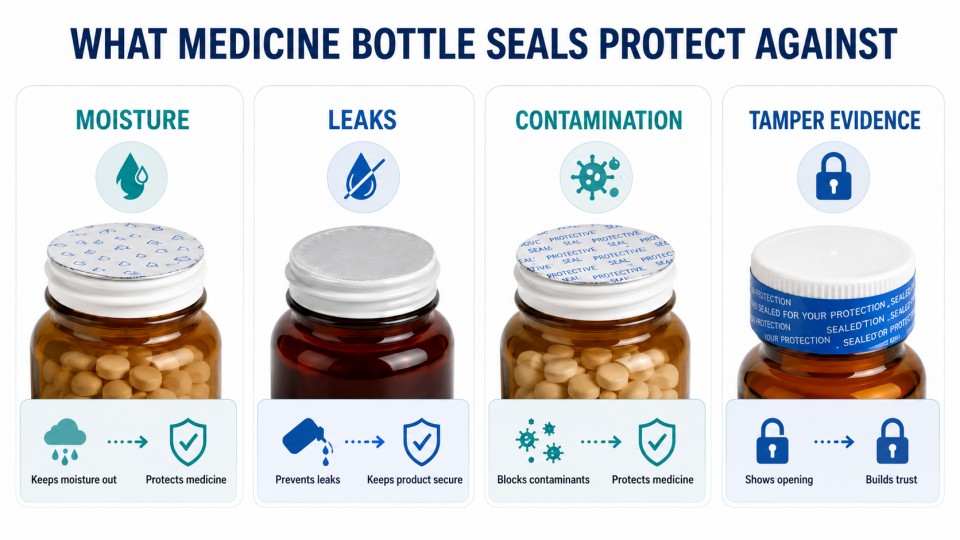
ฟอยล์เหนี่ยวนำไฟฟ้าสามารถเพิ่มการป้องกันความชื้น ควบคุมการรั่วไหล ลดการปนเปื้อนก่อนเปิด และให้หลักฐานการเปิดที่มองเห็นได้
แถบรัดหดจะถูกวางรอบฝาและคอขวด จากนั้นให้ความร้อนเพื่อให้หดตัวรอบส่วนปิด ต้องฉีกแถบนี้ก่อนจึงจะสามารถเปิดขวดได้
แถบรัดหดให้หลักฐานการเปิดที่มองเห็นได้ แต่โดยปกติไม่ได้เป็นแนวกั้นหลักสำหรับความชื้นหรือการรั่วไหล มักใช้ร่วมกับฟอยล์เหนี่ยวนำไฟฟ้า วงแหวนขาดแบบขึ้นรูปทำหน้าที่ด้านภาพลักษณ์คล้ายกันโดยแยกออกจากฝาเมื่อเปิดครั้งแรก
|
ซีลหรือส่วนปิด |
วัตถุประสงค์หลัก |
ข้อจำกัดหลัก |
|
ฝาเกลียว |
การปิดและเปิดซ้ำ |
มีคุณสมบัติเป็นแนวกั้นจำกัดเมื่อใช้เพียงอย่างเดียว |
|
แผ่นรองโฟม |
การรองรับแรงกระแทกและการสัมผัสพื้นฐาน |
การป้องกันการเปิดมีจำกัด |
|
แผ่นรองแบบไวต่อแรงกด |
ซีลกาวแบบง่าย |
ต้องมีการทดสอบระยะยาว |
|
ซีลฟอยล์เหนี่ยวนำไฟฟ้า |
แนวกั้น การควบคุมการรั่วไหล และหลักฐานการเปิดบรรจุภัณฑ์ |
ต้องใช้วัสดุและอุปกรณ์ที่เข้ากันได้ |
|
แถบรัดหด |
หลักฐานที่มองเห็นได้ของการเปิดใช้งาน |
ไม่ใช่ชั้นกั้นความชื้นหลัก |
ยาชนิดต่าง ๆ เผชิญความเสี่ยงด้านบรรจุภัณฑ์ที่แตกต่างกัน
ความชื้นอาจทำให้เม็ดยานิ่มลง ส่งผลต่อเปลือกแคปซูล และทำให้ผงจับตัวเป็นก้อน การป้องกันมักมาจากตัวขวด ฝาปิด ซีลด้านใน สภาวะการบรรจุภัณฑ์ที่ควบคุม และบางครั้งอาจใช้สารดูดความชื้น
ผลิตภัณฑ์ชนิดของเหลวให้ความสำคัญกับการรั่วซึมมากกว่า ในขณะที่แผ่นฟอยล์เมมเบรนที่แตก แถบรัดหดที่ฉีกขาด หรือวงแหวนฝาที่แยกออกจากกัน จะเป็นหลักฐานที่มองเห็นได้ของการเปิดใช้งาน
ไม่มีซีลชนิดใดที่แก้ปัญหาได้ทุกด้าน แถบรัดหดให้หลักฐานที่มองเห็นได้ของการเปิดใช้งาน แต่ช่วยควบคุมความชื้นได้น้อย ฝาป้องกันเด็กเปิดช่วยควบคุมการเข้าถึง แต่ไม่สามารถแทนที่ชั้นกั้นด้านในได้ บรรจุภัณฑ์ทั้งหมดต้องเลือกให้เหมาะสมกับผลิตภัณฑ์และสภาวะการกระจายสินค้า
สำหรับยาเม็ดและแคปซูล กระบวนการบรรจุขวดทั่วไปสามารถสรุปได้ดังนี้:
การจัดเรียงขวดอัตโนมัติ → การนับและการบรรจุ → การใส่สารดูดความชื้น → การตรวจสอบน้ำหนัก → การปิดฝา → การซีลด้วยการเหนี่ยวนำ → การติดฉลาก → การบรรจุกล่อง
นี่เป็นขั้นตอนการบรรจุขวดอัตโนมัติที่พบได้ทั่วไป แต่ไม่ใช่ว่าซีลขวดยาทุกชนิดจำเป็นต้องผ่านทุกขั้นตอน การซีลด้วยการเหนี่ยวนำใช้เฉพาะเมื่อฝามีแผ่นฟอยล์สำหรับการเหนี่ยวนำเท่านั้น ขวดที่ใช้เฉพาะฝาเกลียว แผ่นรองโฟม หรือแผ่นรองแบบไวต่อแรงกด โดยทั่วไปจะเคลื่อนจากการปิดฝาไปยังการติดฉลากโดยตรง
เครื่องจัดเรียงขวดจะจัดระเบียบขวดเปล่าและวางให้ตั้งตรงบนสายพาน การเว้นระยะที่มั่นคงช่วยให้เครื่องนับและสถานีถัดไปได้รับขวดอย่างสม่ำเสมอ
เครื่องนับอัตโนมัติจะแยก นับ และบรรจุยาเม็ดหรือแคปซูล เศษผลิตภัณฑ์หรือฝุ่นจากสารเคลือบไม่ควรตกค้างบนขอบขวด เพราะสารตกค้างอาจทำให้แผ่นรองสัมผัสได้ไม่เต็มที่
สายการนับอัตโนมัติของ Rich Packingสามารถเชื่อมต่อการจัดเรียงขวด การนับยาเม็ดหรือแคปซูล การใส่สารดูดความชื้น การตรวจสอบน้ำหนัก การปิดฝา การซีลด้วยฟอยล์อะลูมิเนียม การติดฉลาก และบรรจุภัณฑ์ขั้นปลายให้เป็นกระบวนการต่อเนื่องเดียวกัน
จากนั้นขวดที่บรรจุแล้วจะผ่านเครื่องตรวจสอบน้ำหนักเพื่อระบุความผิดปกติของน้ำหนักก่อนการใส่สารดูดความชื้น
ขวดยาเม็ดและแคปซูลบางชนิดจะได้รับกระป๋องหรือซองสารดูดความชื้นหลังการนับ เมื่อสัมผัสกับอากาศภายในห้อง สารดูดความชื้นจะเริ่มดูดซับความชื้นจากสภาพแวดล้อม ดังนั้นระยะเวลาระหว่างการใส่สารดูดความชื้นและการปิดผนึกขวดควรถูกควบคุม
ระหว่างที่สายการผลิตหยุดทำงาน ขวดที่มีสารดูดความชื้นไม่ควรเปิดทิ้งไว้เป็นเวลานานโดยไม่จำกัด ระยะเวลารอที่อนุญาตควรกำหนดตามชนิดของสารดูดความชื้น ความชื้นในห้อง ความไวต่อสภาพแวดล้อมของผลิตภัณฑ์ และข้อกำหนดด้านบรรจุภัณฑ์
เครื่องปิดฝาจะวางฝาปิดและขันให้แน่นตามแรงบิดที่กำหนด
สำหรับฝาเกลียวและฝาป้องกันเด็กเปิด ขั้นตอนนี้จะสร้างการปิดเชิงกลหลัก แผ่นรองโฟมและแผ่นรองแบบไวต่อแรงกดโดยทั่วไปจะติดตั้งอยู่ภายในฝาแล้ว โดยอาศัยแรงกดจากฝาและโดยปกติไม่จำเป็นต้องใช้เครื่องซีลด้วยการเหนี่ยวนำ.
แรงบิดต้องคงที่ แรงบิดน้อยเกินไปอาจทำให้แผ่นรองสัมผัสไม่สมบูรณ์ ขณะที่แรงบิดมากเกินไปอาจทำให้ฝา เกลียว แผ่นรอง หรือปากขวดเสียหาย
วัสดุของฝาต้องเข้ากันได้กับวิธีการซีลด้วย การซีลฟอยล์ด้วยการเหนี่ยวนำมาตรฐานมักใช้กับฝาพลาสติกหรือฝาที่ไม่ใช่โลหะที่เข้ากันได้ ฝาโลหะสามารถดูดซับพลังงานเหนี่ยวนำและเกิดความร้อนได้ จึงต้องใช้กระบวนการที่ออกแบบและทดสอบมาโดยเฉพาะ
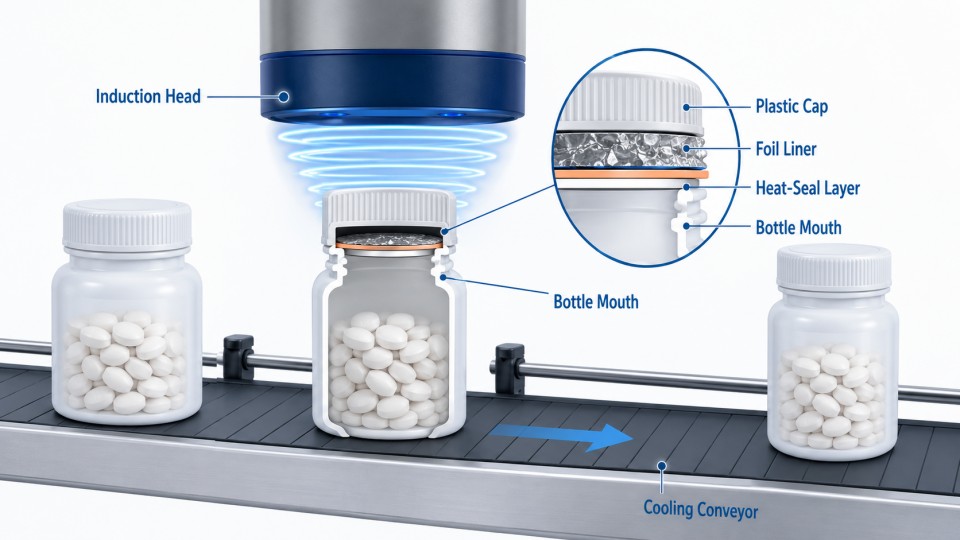
จำเป็นต้องใช้การซีลด้วยการเหนี่ยวนำเฉพาะเมื่อมีการใช้แผ่นฟอยล์สำหรับการเหนี่ยวนำเท่านั้น
หลังจากปิดฝา ขวดจะผ่านใต้หัวเหนี่ยวนำ สนามแม่เหล็กไฟฟ้าจะให้ความร้อนแก่ชั้นอะลูมิเนียมภายในฝา ทำให้ชั้นซีลด้วยความร้อนทำงานและเชื่อมแผ่นฟอยล์เมมเบรนเข้ากับปากขวด
ขวดที่ใช้เฉพาะฝาเกลียว ฝาป้องกันเด็กเปิด แผ่นรองโฟม หรือแผ่นรองแบบไวต่อแรงกด จะข้ามขั้นตอนนี้และดำเนินต่อไปยังการติดฉลากโดยตรง
ผลลัพธ์ของการซีลขึ้นอยู่กับวัสดุขวด แรงบิดของฝา ความเข้ากันได้ของแผ่นรอง กำลังการซีล ความเร็วสายพาน และตำแหน่งของหัวซีล
เครื่องซีลด้วยการเหนี่ยวนำ RQ-FK-120 ของ Rich Packing ได้รับการออกแบบให้เชื่อมต่อกับสายการนับอัตโนมัติ กำลังการผลิตที่ระบุคือ 50–120 ขวดต่อนาที และรองรับเส้นผ่านศูนย์กลางปากขวดพลาสติกตั้งแต่ 15 ถึง 45 มม. นอกจากนี้ยังมีการปรับกำลังเหนี่ยวนำได้ ระบบระบายความร้อนด้วยอากาศ สัญญาณเตือนการทำงาน และการเชื่อมต่อสายการผลิตอัตโนมัติ
หลังจากการซีลด้วยการเหนี่ยวนำ ขวดควรเคลื่อนที่ต่อไปตามสายพานเพื่อให้มีเวลาระบายความร้อนและทำให้ซีลคงตัวอย่างเพียงพอก่อนเกิดแรงกระแทกรุนแรงหรือการเลี้ยวหักมุม ระยะเวลาการทำความเย็นนี้มักเกิดขึ้นระหว่างการเคลื่อนย้ายไปยังสถานีติดฉลาก ไม่ใช่เป็นขั้นตอนการผลิตหลักที่แยกออกมาต่างหาก
หลังจากปิดฝา และหลังจากการซีลด้วยการเหนี่ยวนำเมื่อมีการใช้ฟอยล์ ขวดจะเคลื่อนไปยังขั้นตอนติดฉลาก ฉลากสามารถแสดงข้อมูลผลิตภัณฑ์ รายละเอียดรุ่นการผลิต วันที่ผลิตและวันหมดอายุ บาร์โค้ด และข้อมูลการติดตามย้อนกลับ
ควรคัดขวดที่ฝาปิดหายไป ฝาปิดเอียง ซีลฟอยล์ไม่สมบูรณ์ หรือมีปัญหาที่มองเห็นได้อื่น ๆ ออกก่อนการบรรจุภัณฑ์ขั้นสุดท้าย
จากนั้นจึงใส่ขวดที่ติดฉลากแล้วลงในกล่องด้วยมือหรือโดย เครื่องบรรจุกล่องอัตโนมัติ.
เริ่มต้นจากผลิตภัณฑ์ ระบุว่าสิ่งที่ต้องให้ความสำคัญหลักคือความชื้น การรั่วซึม การปนเปื้อน การแกะหรือดัดแปลง หรือการเข้าถึงของเด็ก
จากนั้นเลือกซีลให้เหมาะกับขวดและฝาปิด ชั้นซีลด้วยความร้อนที่ออกแบบมาสำหรับ HDPE ไม่ควรนำไปใช้กับ PET หรือแก้วโดยอัตโนมัติ ควรยืนยันความเข้ากันได้ผ่านการทดลองในกระบวนการผลิต
อายุการเก็บรักษาและสภาวะการขนส่งก็มีความสำคัญเช่นกัน การจัดเก็บเป็นเวลานาน ความชื้นสูง การเปลี่ยนแปลงอุณหภูมิเป็นรอบ และการขนส่งระหว่างประเทศ ล้วนสร้างความต้องการต่อซีลมากกว่าการกระจายสินค้าในท้องถิ่นระยะสั้น
แผ่นรองซีลแบบไวต่อแรงกดควรถือเป็นตัวเลือกสำหรับการใช้งานเฉพาะ ไม่ใช่ซีลยาสากลแบบครอบคลุมทุกกรณี ฟอยล์เหนี่ยวนำมักเป็นตัวเลือกที่แข็งแรงกว่าเมื่อบรรจุภัณฑ์ต้องการการป้องกันสิ่งกีดขวางที่ดีขึ้น หลักฐานการแกะเปิดที่มองเห็นได้ หรือการควบคุมการรั่วซึม
ฟอยล์ไม่ยึดติดสาเหตุที่เป็นไปได้ ได้แก่ แผ่นรองซีลไม่เข้ากัน ขอบปากขวดสกปรก แรงบิดฝาต่ำ กำลังซีลไม่เพียงพอ ความเร็วสายพานลำเลียงสูงเกินไป หรือตำแหน่งหัวซีลไม่ถูกต้อง
ซีลเฉพาะบางส่วนของขอบปากขวดตรวจสอบฝาที่เอียง ปากขวดไม่สม่ำเสมอ แผ่นรองซีลไม่อยู่กึ่งกลาง ขวดไม่มั่นคง หรือแรงกดของฝาไม่สม่ำเสมอ
ฟอยล์ไหม้หรือย่นกำลังซีลอาจสูงเกินไป สายการผลิตช้าเกินไป หรือหัวซีลอยู่ใกล้เกินไป การจับถือที่รุนแรงก่อนการระบายความร้อนอาจทำให้ซีลร้อนเสียหายได้เช่นกัน
ซีลหลุดระหว่างการเก็บรักษาสาเหตุที่เป็นไปได้ ได้แก่ ความเข้ากันได้ของวัสดุไม่ดี การยึดติดเริ่มต้นที่อ่อนแอ การเปลี่ยนแปลงอุณหภูมิเป็นรอบ การสั่นสะเทือน หรือแผ่นรองซีลแบบไวต่อแรงกดที่ไม่เหมาะสม
สารดูดความชื้นไม่สามารถควบคุมความชื้นได้ตรวจสอบว่าขวดถูกเปิดทิ้งไว้นานเกินไปหลังใส่สารดูดความชื้นหรือไม่ และตรวจสอบว่าขวดและซีลให้การป้องกันความชื้นจากภายนอกเพียงพอหรือไม่
ซีลขวดยามีความแตกต่างกัน เนื่องจากผลิตภัณฑ์ ขวด อายุการเก็บรักษา และความเสี่ยงในการขนส่งมีความแตกต่างกัน
บรรจุภัณฑ์ที่เชื่อถือได้ไม่ได้ขึ้นอยู่กับฟอยล์หรือฝาปิดเพียงอย่างเดียว วัสดุขวด การออกแบบฝา ความเข้ากันได้ของแผ่นรองซีล จังหวะการใส่สารดูดความชื้น การตรวจสอบน้ำหนัก แรงบิดฝา การตั้งค่าการเหนี่ยวนำ และการจัดการในขั้นตอนถัดไปต้องทำงานร่วมกัน
สำหรับการผลิตยาเม็ดและแคปซูล สายการนับอัตโนมัติแบบประสานงานกันเป็นวิธีที่ใช้งานได้จริงในการเชื่อมต่อการป้อนขวด การนับ การใส่สารดูดความชื้น การตรวจสอบน้ำหนัก การปิดฝา การซีลด้วยการเหนี่ยวนำเมื่อจำเป็น การติดฉลาก และการบรรจุกล่อง Rich Packing สามารถกำหนดค่าไลน์ประเภทนี้ให้เหมาะกับผลิตภัณฑ์ ขนาดขวด ความเร็วที่ต้องการ และกระบวนการซีล แทนที่จะจัดหาแต่ละสถานีเป็นเครื่องจักรแยกอิสระ
ฟอยล์สร้างชั้นกั้นที่ยึดติดทั่วปากขวด สามารถช่วยเพิ่มการป้องกันความชื้นและการรั่วซึม ลดการปนเปื้อนก่อนเปิด และแสดงหลักฐานการแกะเปิด
สามารถใช้ในงานผลิตภัณฑ์แห้งบางประเภทได้ แต่ต้องผ่านการทดสอบอย่างรอบคอบ และไม่ใช่ตัวเลือกมาตรฐานที่เหมาะสมที่สุดสำหรับยาที่ไวต่อความชื้นหรือยาที่มีอายุการเก็บรักษานาน
ไม่จำเป็น การซีลด้วยการเหนี่ยวนำใช้เฉพาะเมื่อมีการติดตั้งแผ่นรองฟอยล์สำหรับการเหนี่ยวนำเท่านั้น ขวดที่มีฝาเกลียว แผ่นรองโฟม หรือแผ่นรองซีลแบบไวต่อแรงกด โดยปกติจะดำเนินต่อจากการปิดฝาไปยังการติดฉลากโดยตรง
ใช้ได้เฉพาะในงานที่ออกแบบและผ่านการทดสอบเป็นพิเศษเท่านั้น โดยทั่วไปฝาพลาสติกหรือฝาที่ไม่ใช่โลหะจะใช้งานกับการซีลฟอยล์เหนี่ยวนำมาตรฐานได้ง่ายกว่า
ได้ เมื่อแผ่นรองซีล กาว ฝาปิด ผิวสัมผัสของขวด การตั้งค่าเครื่องจักร และสภาวะการระบายความร้อนเหมาะสมกับแก้ว
ไม่ได้ สารดูดความชื้นควบคุมความชื้นภายในบรรจุภัณฑ์ที่ปิดสนิท ขณะที่ขวดและซีลช่วยจำกัดความชื้นที่เข้าสู่ภายในจากภายนอก
1.คณะกรรมการความปลอดภัยผลิตภัณฑ์อุปโภคบริโภคแห่งสหรัฐฯ - พระราชบัญญัติบรรจุภัณฑ์ป้องกันการได้รับพิษ
2.ประมวลกฎหมายแห่งสหพันธรัฐอิเล็กทรอนิกส์ - 21 CFR 211.132 ข้อกำหนดบรรจุภัณฑ์ที่แสดงหลักฐานการถูกแก้ไข

29+ years in pharmaceutical machinery, covering capsule filling, tablet pressing, blister packaging, tablet and capsule counting, cartoning, GMP production, and overseas machine service.

ส่งอีเมล : manager@richpacking.cn
Building D, No. 226, Beishan Qiaotou Street, Haizhu District, Guangzhou City, Guangdong Province, China


 รองรับเครือข่าย IPv6