






 บ้าน
บ้าน ผลิตภัณฑ์
29+ years in pharmaceutical machinery, covering capsule filling, tablet pressing, blister packaging, tablet and capsule counting, cartoning, GMP production, and overseas machine service.

ในกระบวนการผลิตแคปซูลยาและผลิตภัณฑ์เสริมสุขภาพ เครื่องบรรจุแคปซูลแบบกึ่งอัตโนมัติถือเป็นเครื่องมือเพิ่มประสิทธิภาพที่เหมาะสมที่สุด สามารถเพิ่มผลผลิต ลดความแปรปรวนระหว่างผู้ปฏิบัติงาน และทำให้กระบวนการตรวจสอบและบันทึกข้อมูลได้ง่ายขึ้น โดยไม่ต้องเสียค่าใช้จ่ายและความซับซ้อนของสายการผลิตบรรจุแคปซูลแบบอัตโนมัติเต็มรูปแบบ
คู่มือนี้จัดทำขึ้นสำหรับสองกลุ่ม: ผู้ซื้อครั้งแรกที่ต้องการวิธีการที่ชัดเจนในการคัดเลือกอุปกรณ์ที่เหมาะสม และผู้เริ่มต้นที่ต้องการคำอธิบายที่ตรงไปตรงมาเกี่ยวกับวิธีการทำงานของการบรรจุแบบกึ่งอัตโนมัติในการผลิตจริง คุณจะได้เห็นว่าเมื่อใดที่การบรรจุแบบกึ่งอัตโนมัติเหมาะสม ปัจจัยใดบ้างที่กำหนดปริมาณงานจริง และการตรวจสอบใดบ้างที่ช่วยรักษาเสถียรภาพของผลลัพธ์การบรรจุ
หากคุณกำลังเปรียบเทียบซัพพลายเออร์อยู่แล้ว ให้ใช้สิ่งนี้เป็นตัวกรองก่อนขอใบเสนอราคา หากคุณยังอยู่ในช่วงเรียนรู้พื้นฐาน สิ่งนี้จะช่วยให้คุณเข้าใจตัวเลือกที่สำคัญได้ดียิ่งขึ้น ขนาดแคปซูล รวมถึงลักษณะการทำงานของผงยา รูปแบบการจ่ายยา การทำความสะอาด และเส้นทางการลำเลียงต่อไปยังผลิตภัณฑ์อื่น (ขวด แผงบรรจุ หรือกล่องกระดาษ)
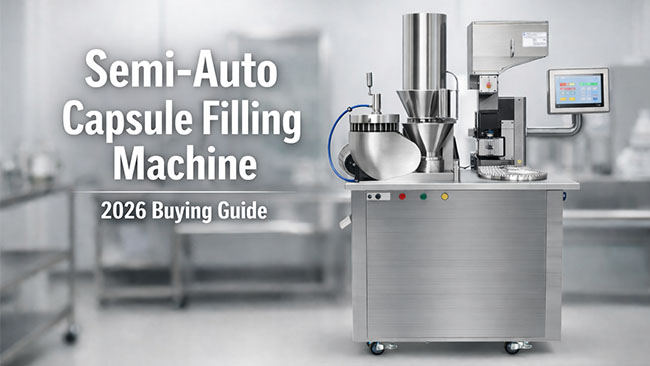
เอ เครื่องบรรจุแคปซูลกึ่งอัตโนมัติ เครื่องนี้อยู่ระหว่างเครื่องมือแบบใช้มือและเครื่องบรรจุแคปซูลอัตโนมัติเต็มรูปแบบ เครื่องจะจัดการขั้นตอนที่ต้องการความแม่นยำสูง (การแยก การจ่ายยา การล็อค) ในขณะที่ผู้ปฏิบัติงานยังคงควบคุมการป้อนวัสดุ ถาด และจังหวะการทำงาน การออกแบบแบบไฮบริดนี้เองที่เป็นเหตุผลว่าทำไมมันถึงเหมาะกับสถานที่บางแห่งอย่างสมบูรณ์แบบ และเป็นเหตุผลว่าทำไมมันถึงเป็นเครื่องมือที่ไม่เหมาะสมสำหรับสถานที่อื่นๆ
ขนาดชุด
ระบบกึ่งอัตโนมัติเหมาะอย่างยิ่งเมื่อการบรรจุด้วยมือกลายเป็นปัญหาคอขวด แต่รอบการผลิตของคุณยังไม่ยาวมากจนคุณต้องการเปลี่ยนสินค้าอย่างรวดเร็ว หากคุณทำงานกะยาวกับผลิตภัณฑ์เดียวทุกวัน คุณอาจจะใช้งานระบบกึ่งอัตโนมัติได้ไม่นานและควรพิจารณาราคาระบบอัตโนมัติล่วงหน้า
บุคลากรและขั้นตอนการทำงาน
เครื่องจักรเย็บผ้าแบบกึ่งอัตโนมัติพึ่งพาความสม่ำเสมอของผู้ปฏิบัติงานมากกว่าที่หลายคนคาดคิด แต่นั่นไม่ใช่ปัญหาใหญ่หากคุณสามารถมอบหมายผู้ปฏิบัติงานที่ได้รับการฝึกฝนมาแล้วหนึ่งคนและกำหนดขั้นตอนการทำงานให้เป็นมาตรฐาน เช่น การโหลด การเริ่ม/หยุดเครื่อง และการตรวจสอบระหว่างกระบวนการอย่างง่าย
ประเภทผลิตภัณฑ์
โดยทั่วไปแล้วผงจะเป็นจุดเริ่มต้นที่พบได้บ่อยที่สุด หากคุณวางแผนที่จะบรรจุลงในเม็ดหรือผงละเอียด โปรดตรวจสอบการตั้งค่าการจ่ายยาและเครื่องมือที่จำเป็นล่วงหน้า นอกจากนี้ควรคำนึงถึงลักษณะของผงด้วย ผงที่มีความหนาแน่นต่ำ ผงที่หยุดนิ่ง หรือผงที่ไหลไม่ดี อาจลดปริมาณผลผลิตและเพิ่มความแปรปรวนของน้ำหนักการบรรจุได้
งบประมาณและระยะเวลา
ระบบกึ่งอัตโนมัติมักถูกเลือกใช้เพราะให้การควบคุมที่ดีขึ้นมากโดยไม่ต้องเสียค่าใช้จ่ายและพื้นที่มากเท่ากับสายการผลิตอัตโนมัติเต็มรูปแบบ อย่างไรก็ตาม ควรจัดสรรงบประมาณนอกเหนือจากส่วนบรรจุแล้ว การขัดเงา การตรวจสอบขั้นพื้นฐาน และเส้นทางการบรรจุภัณฑ์มักเป็นตัวกำหนดว่าระบบนั้น "พร้อมสำหรับการผลิต" มากน้อยเพียงใด
กฎการตัดสินใจอย่างรวดเร็ว
หากคุณต้องการอัพเกรดเครื่องจักรให้ใช้งานได้จริงสำหรับงานผลิตจำนวนน้อยถึงปานกลาง และมีการเปลี่ยนชิ้นงานบ่อยครั้ง เครื่องจักรแบบกึ่งอัตโนมัติมักจะเป็นตัวเลือกที่เหมาะสม แต่หากปริมาณการผลิตของคุณสูงอยู่แล้ว และแรงงานเป็นข้อจำกัดหลัก เครื่องจักรแบบอัตโนมัติมักจะเป็นตัวเลือกที่เหมาะสมกว่าในระยะยาว
มีการเปรียบเทียบโดยสังเขปเพื่อช่วยให้เข้าใจการตัดสินใจที่สำคัญได้ชัดเจนยิ่งขึ้น:
|
พิมพ์ |
เหมาะที่สุดสำหรับ |
สัมผัสผลลัพธ์จากการใช้งานจริง |
แรงงาน |
การเปลี่ยนถ่าย |
ระดับต้นทุน |
|
เครื่องบรรจุแคปซูลแบบใช้มือ |
การทดลอง, การผลิตในปริมาณน้อย |
จำกัดโดยผู้ปฏิบัติงาน |
สูง |
เร็ว |
ต่ำ |
|
อุปกรณ์บรรจุแคปซูลแบบกึ่งอัตโนมัติ |
ผลิตในปริมาณน้อยถึงปานกลาง เปลี่ยนกระบวนการผลิตบ่อยครั้ง |
ระดับปานกลาง ขึ้นอยู่กับผงแป้งและผู้ปฏิบัติงาน |
ปานกลาง |
ปานกลาง |
กลาง |
|
ปริมาณมาก วิ่งระยะทางไกล |
ให้ค่าสูงสุดและเสถียรที่สุดเมื่อปรับตั้งค่าเรียบร้อยแล้ว |
ต่ำ |
รวดเร็ว (ทีมที่ได้รับการฝึกฝน) |
สูง |
เครื่องบรรจุแคปซูลแบบกึ่งอัตโนมัติส่วนใหญ่ทำงานตามลำดับขั้นตอนหลักเหมือนกัน คือ แยกแคปซูลเปล่า เติมวัสดุบรรจุ ปิดฝา และปล่อยแคปซูลที่บรรจุเสร็จแล้ว คำว่า "กึ่ง" นั้นหมายความว่าผู้ปฏิบัติงานยังคงควบคุมจังหวะการป้อนและจัดการถาด ในขณะที่เครื่องจักรจะจัดการขั้นตอนที่ทำซ้ำได้และแม่นยำ
1) แยกออกจากกัน
แคปซูลเปล่าจะถูกจัดวางและแยกออกเป็นตัวแคปซูลและฝา โดยปกติจะใช้ระบบสุญญากาศช่วย คุณภาพการแยกจะได้รับผลกระทบจากสภาวะการจัดเก็บแคปซูล (อุณหภูมิและความชื้น) และสภาพของพื้นผิวที่ใช้ในการแยก
2) ขนาดยา
ผงยาจะถูกป้อนเข้าไปในตัวแคปซูลโดยใช้วิธีการป้อนปริมาณ เช่น การใช้หมุดอัด (การสร้างปลั๊ก) หรือวิธีการใช้เกลียวลำเลียง ขึ้นอยู่กับการออกแบบเครื่องจักร ปริมาณและความสม่ำเสมอขึ้นอยู่กับการไหลของผงยาเป็นอย่างมาก: การยึดเกาะ พฤติกรรมทางไฟฟ้าสถิต และการกระจายขนาดอนุภาค ล้วนสามารถเปลี่ยนแปลงลักษณะของ "คุณภาพที่ดี" ได้
3) ล็อก
ฝาแคปซูลจะถูกกดกลับเข้ากับตัวแคปซูลและล็อคเข้าที่ ปัญหาการล็อคที่ไม่ทราบสาเหตุส่วนใหญ่มักเกิดจากคุณภาพของแคปซูล การจัดวางที่ไม่ถูกต้องหลังการเปลี่ยน หรือความสูงของการจ่ายยาที่ไม่สม่ำเสมอซึ่งทำให้ไม่สามารถปิดได้อย่างสนิท
4) การจำหน่าย
แคปซูลที่บรรจุแล้วจะถูกส่งลงไปในถังหรือถาด หากคุณวางแผนที่จะผลิตเพื่อจำหน่าย ขั้นตอนต่อไปจึงเริ่มมีความสำคัญ เช่น การขัดเงา การคัดแยก และขั้นตอนการบรรจุภัณฑ์ขั้นสุดท้าย
วิธีง่ายๆ ในการประเมินระบบกึ่งอัตโนมัติใดๆ ก็คือ ถามตัวเองว่า: เครื่องจักรควบคุมอะไรได้อย่างแม่นยำ และอะไรที่ต้องพึ่งพาผู้ปฏิบัติงาน? เมื่อคุณเข้าใจการแบ่งส่วนนี้ชัดเจนแล้ว ตัวเลขกำลังการผลิตในโบรชัวร์ก็จะตีความได้ง่ายขึ้นมาก
ข้อมูลจำเพาะจะมีประโยชน์ก็ต่อเมื่อสามารถคาดการณ์ผลลัพธ์ได้ ส่วนนี้จะเน้นไปที่รายการเพียงไม่กี่รายการที่สามารถระบุได้อย่างน่าเชื่อถือที่สุดว่าสายการผลิตจะทำงานได้อย่างราบรื่นหรือจะกลายเป็นปัญหาที่ต้องแก้ไขทุกวัน
ตรวจสอบขนาดแคปซูลของคุณในปัจจุบันและขนาด "ต่อไปที่คาดว่าจะใช้" ถามว่าอะไรบ้างที่เปลี่ยนแปลงไปตามขนาด เช่น บูช ตัวจ่ายยา วงแหวน แผ่นสุญญากาศ และอะไรบ้างที่ยังคงเดิม จากนั้นถามว่าผู้จำหน่ายคาดหวังให้คุณตรวจสอบการตั้งค่าที่ถูกต้องอย่างไรหลังจากเปลี่ยนขนาดแล้ว
หากคุณบรรจุผง คุณจะต้องควบคุมการไหล ไม่ใช่แค่ปริมาตร สำหรับส่วนผสมที่เหนียวแน่นหรือฟู ให้สอบถามเกี่ยวกับการปรับแต่งความหนาแน่นของวัสดุ ความลึกในการบรรจุ และแรงกดอัด (หรือการตั้งค่าเกลียวลำเลียง) หากคุณวางแผนที่จะบรรจุเม็ด/ผง ให้ตรวจสอบว่าจำเป็นต้องใช้ชุดอุปกรณ์เสริมหรือไม่ และมีข้อจำกัดอะไรบ้างเกี่ยวกับขนาดอนุภาคและความเสี่ยงต่อการแยกตัวของวัสดุ
กำลังการผลิตที่ระบุไว้คือขีดจำกัดสูงสุด กำลังการผลิตรายวันของคุณคือผลลัพธ์ของระบบ ปัจจัยสำคัญได้แก่:
● คุณภาพและการเก็บรักษาแคปซูล
● พฤติกรรมของผงและการผสมที่สม่ำเสมอ
● จังหวะการทำงานของผู้ปฏิบัติงานและการตรวจสอบระหว่างกระบวนการ
● จำนวนการหยุดทำงานที่เกิดจากฝุ่นละออง การอุดตัน หรือการแยกที่ไม่ถูกต้อง
ชิ้นส่วนที่สัมผัสกับผลิตภัณฑ์ควรทำความสะอาดได้ง่ายและไม่ทำปฏิกิริยากับผลิตภัณฑ์ตามวัตถุประสงค์การใช้งาน แนวทางปฏิบัติของ FDA CGMP เน้นย้ำว่าอุปกรณ์ควรได้รับการออกแบบมาเพื่ออำนวยความสะดวกในการทำความสะอาดและบำรุงรักษา และพื้นผิวที่สัมผัสกับผลิตภัณฑ์ไม่ควรทำปฏิกิริยา เติมสาร หรือดูดซับในลักษณะที่เปลี่ยนแปลงคุณภาพของผลิตภัณฑ์
ตรวจสอบความต้องการด้านไฟฟ้า อากาศอัด และเครื่องดูดฝุ่นตั้งแต่เนิ่นๆ นอกจากนี้ ควรตรวจสอบด้วยว่าฝุ่นจะไปอยู่ที่ไหน เพราะหากไม่มีการควบคุมฝุ่นและการดูแลรักษาที่ดี ประสิทธิภาพการทำงานจะลดลง และการบำรุงรักษาจะเกิดขึ้นอย่างต่อเนื่อง
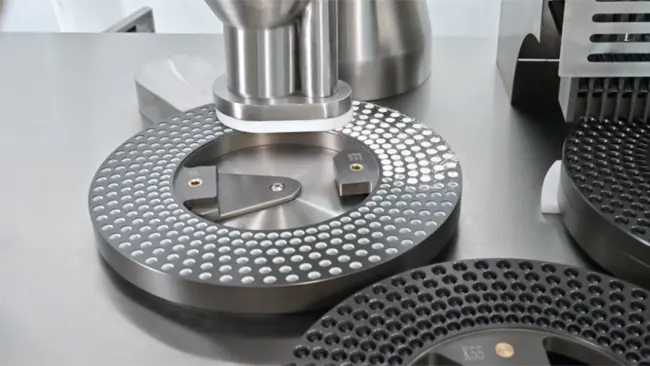
หากคุณต้องการผลผลิตที่ดีขึ้น ความเสถียรของน้ำหนักบรรจุคือวิธีที่เร็วที่สุด คุณไม่จำเป็นต้องมีขั้นตอนการทดลองที่ซับซ้อนเพื่อเริ่มต้น คุณแค่ต้องการนิสัยที่สม่ำเสมอ
แนวทางปฏิบัติที่เหมาะสมคือการชั่งน้ำหนักตัวอย่างขนาดเล็กในช่วงเวลาที่กำหนด (เช่น ทุกๆ X นาที หรือทุกๆ X รอบ) และติดตามการเปลี่ยนแปลง เป้าหมายไม่ใช่ความสมบูรณ์แบบ แต่เป็นการตรวจจับความผิดปกติตั้งแต่เนิ่นๆ ก่อนที่จะผลิตแคปซูลที่ไม่ได้มาตรฐานออกมาเป็นจำนวนมาก
ความผันแปรของน้ำหนักมักเกิดจากพฤติกรรมของผง เช่น การอุดตันที่จุดป้อน การแยกตัวในถังพัก หรือไฟฟ้าสถิตที่เปลี่ยนแปลงการไหลระหว่างการทำงาน การปรับเปลี่ยนเล็กน้อยในขั้นตอนต้นน้ำ เช่น การคัดกรอง การกำจัดก้อน การควบคุมความชื้น หรือขั้นตอนการผสมที่ดีขึ้น มักจะให้ผลลัพธ์ที่ดีกว่าการปรับตั้งค่าเครื่องจักร
ปัญหาบางอย่างจะปรากฏให้เห็นก่อนที่ตาชั่งจะแสดงผล เช่น ฝุ่นละอองมากขึ้นบริเวณที่จ่ายยา ความผิดพลาดในการแยกสารเพิ่มขึ้น หรือแรงดันล็อคที่ต้องปรับแต่งบ่อยครั้ง สัญญาณเหล่านี้มีค่าเพราะมักปรากฏขึ้นก่อนที่การเปลี่ยนแปลงของน้ำหนักจะชัดเจน
สำหรับผลิตภัณฑ์ที่อยู่ภายใต้การกำกับดูแล ความสะอาดและการจัดทำเอกสารไม่ใช่สิ่งที่ไม่จำเป็น แต่สำหรับผลิตภัณฑ์เสริมอาหารที่ไม่ได้อยู่ภายใต้การกำกับดูแล สิ่งเหล่านี้ยังคงเป็นตัวกำหนดต้นทุนการดำเนินงานที่แท้จริงของคุณ และความมั่นใจที่คุณสามารถดำเนินการกับสินค้าหลายรายการได้
คำถามและคำตอบเกี่ยวกับอุปกรณ์ตามมาตรฐาน CGMP ของ FDA ระบุอย่างชัดเจนว่า อุปกรณ์ควรได้รับการทำความสะอาดและบำรุงรักษาตามช่วงเวลาที่เหมาะสมเพื่อป้องกันการปนเปื้อนหรือการทำงานผิดปกติ และจำเป็นอย่างยิ่งที่ต้องจัดทำเอกสารขั้นตอนการทำความสะอาดอย่างถูกต้องและนำไปใช้อย่างสม่ำเสมอตามวัตถุประสงค์ที่กำหนด
ควรให้ความสำคัญกับชิ้นส่วนที่สัมผัสกับผลิตภัณฑ์ซึ่งถอดออกได้ง่าย มีจุดดักจับผงน้อยที่สุด และสามารถประกอบกลับได้อย่างสม่ำเสมอ หากการทำความสะอาดใช้เวลานานเกินไป ทีมงานจะลดขั้นตอน และความแปรปรวนจะกลายเป็นนิสัย
สอบถามผู้ผลิตเกี่ยวกับวิธีการฝึกอบรมการเปลี่ยนอุปกรณ์ และขั้นตอน “การตรวจสอบการตั้งค่า” ว่าเป็นอย่างไร การออกแบบที่ดีที่สุดจะทำให้การประกอบผิดพลาดทำได้ยาก และผู้ผลิตที่ดีที่สุดจะจัดเตรียมรายการตรวจสอบที่ผู้ใช้งานใหม่สามารถปฏิบัติตามได้
แม้ว่าคุณจะไม่ต้องการการตรวจสอบความถูกต้องอย่างเต็มรูปแบบในวันนี้ คุณก็ควรขอเอกสารพื้นฐานชุดหนึ่ง เช่น ใบรับรองวัสดุสำหรับชิ้นส่วนที่สัมผัส คู่มือ แผนผังการเดินสายไฟ และโครงร่างการทดสอบการยอมรับอย่างง่าย แนวทางการควบคุมคุณภาพ เช่น ICH Q7 เน้นย้ำถึงการดำเนินงานภายใต้ระบบคุณภาพที่เหมาะสม และการรักษาการควบคุมและเอกสารเพื่อให้มั่นใจว่าวัสดุมีคุณลักษณะด้านคุณภาพตามที่ต้องการ
แนวคิดการยอมรับเชิงปฏิบัติ: ขอให้ทำการทดสอบที่แสดงให้เห็นถึงความเสถียร ไม่ใช่แค่การสาธิตอย่างรวดเร็ว ผู้ซื้อบางรายอาจขอให้ทำการทดสอบต่อเนื่องเป็นเวลานาน หรือการทดสอบภายใต้ภาระสูง เพื่อดูว่าการตั้งค่ามีการเปลี่ยนแปลงหรือไม่ และมีการหยุดชะงักเกิดขึ้นภายใต้สภาวะที่สมจริงหรือไม่
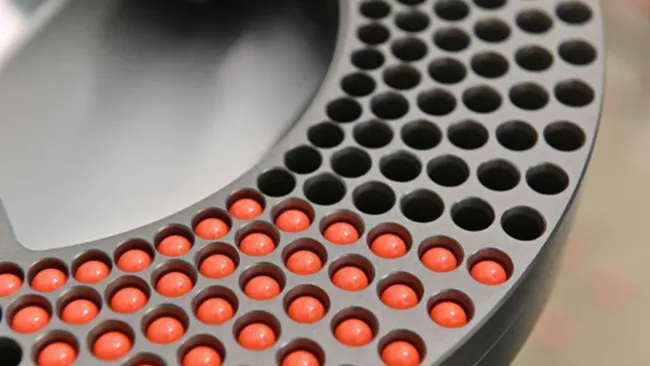
เครื่องบรรจุแบบกึ่งอัตโนมัติจะใช้งานง่ายขึ้นสำหรับผู้ซื้อเมื่อคุณวางแผนขั้นตอนสนับสนุนต่างๆ เป้าหมายนั้นง่ายมาก: ลดการจัดการด้วยมือ ตรวจจับข้อบกพร่องได้เร็วขึ้น และทำให้การบรรจุภัณฑ์คาดการณ์ได้
การขัดเงาช่วยลดฝุ่นและปรับปรุงการจัดการในขั้นตอนต่อไป นอกจากนี้ยังเป็นขั้นตอน "ตรวจสอบสภาพ" เบื้องต้นด้วย หากการขัดเงาทำให้เกิดฝุ่นมากผิดปกติ อาจบ่งชี้ถึงปัญหาเรื่องปริมาณการใช้สารหรือการเตรียมผง
อย่างน้อยที่สุด ควรวางแผนว่าจะจัดการกับแคปซูลที่เสียหาย ชำรุด หรือเปิดไม่ได้อย่างไร บางโรงงานอาจใช้เครื่องคัดแยกหรือขั้นตอนการตรวจสอบแยกต่างหากเพื่อป้องกันปัญหาขัดข้องในขั้นตอนการบรรจุภัณฑ์
หากโปรไฟล์ความเสี่ยงของคุณกำหนดไว้ การตรวจสอบน้ำหนักและการตรวจจับโลหะสามารถลดความเสี่ยงและปกป้องลูกค้าได้ แม้ว่าจะไม่จำเป็น แต่หลายทีมก็ใช้การตรวจสอบขั้นพื้นฐานเป็นเครื่องมือสร้างความมั่นใจในระหว่างการขยายธุรกิจ
ตัดสินใจเลือกวิธีการบรรจุภัณฑ์ตั้งแต่เนิ่นๆ สายการผลิตเครื่องบรรจุแคปซูล โดยทั่วไปแล้วมักมีความยืดหยุ่นสำหรับ SKU หลายประเภท; บรรจุภัณฑ์แบบแผงพลาสติกใส สายการขนส่งช่วยปกป้องยาแต่ละเม็ดได้อย่างดีเยี่ยม การบรรจุลงกล่องเป็นการเพิ่มบรรจุภัณฑ์รองและเสริมการนำเสนอ เส้นทางการขนส่งของคุณมีผลต่อความหมายของ "ผลผลิตที่ดี" เพราะการหยุดชะงักของกระบวนการบรรจุภัณฑ์อาจทำให้เครื่องบรรจุที่ทำงานได้อย่างราบรื่นต้องหยุดชะงักลง
ใบเสนอราคาที่เป็นมิตรต่อผู้ซื้อไม่ได้หมายความถึงแค่ราคาเท่านั้น แต่ยังรวมถึงภาพรวมทั้งหมดของสิ่งที่คุณจะได้รับและค่าใช้จ่ายในการดำเนินการด้วย
ขอให้ซัพพลายเออร์ทุกรายจัดส่งเอกสารดังต่อไปนี้เป็นลายลักษณ์อักษร:
● การกำหนดค่าที่แน่นอนและเครื่องมือที่รวมอยู่ (ขนาดแคปซูล วิธีการให้ยา)
● สาธารณูปโภคและข้อกำหนดของพื้นที่
● ความคาดหวังผลลัพธ์ที่สมจริงโดยพิจารณาจากขนาดแคปซูลและประเภทวัสดุของคุณ
● ชุดเอกสารประกอบและรายการทดสอบการยอมรับที่รวมอยู่ด้วย
● อะไหล่ที่แนะนำและระยะเวลาในการจัดส่ง
● รูปแบบการฝึกอบรมและความคาดหวังในการตอบสนองต่อการสนับสนุน
● เงื่อนไขการรับประกันและชิ้นส่วนที่ถือว่าเป็นชิ้นส่วนสึกหรอ
หากต้องการเปรียบเทียบที่ชัดเจนยิ่งขึ้น ให้ใช้แบบฟอร์มประเมินผลแบบหน้าเดียว และให้คะแนนซัพพลายเออร์แต่ละรายในด้านต่างๆ ดังนี้ ความง่ายในการเปลี่ยนระบบงาน การออกแบบการทำความสะอาด คุณภาพของเอกสาร และความพร้อมในการให้บริการ ปัจจัยเหล่านี้มักจะคาดการณ์ผลลัพธ์ในช่วง 90 วันแรกได้ดีกว่าความแตกต่างเล็กน้อยในความเร็วที่ประกาศไว้
ปัญหาที่เกิดขึ้นในช่วงแรกส่วนใหญ่สามารถคาดเดาได้ และวิธีแก้ไขมักจะง่ายกว่าที่คิด
● การเบี่ยงเบนของน้ำหนัก: ปรับการเตรียมผงและจังหวะ IPC ให้คงที่ก่อนที่จะปรับตั้งค่าต่างๆ
● น่าสงสาร การเตรียมการ: ตรวจสอบสภาพการจัดเก็บแคปซูล ความชื้น และแผ่นแยกแคปซูล
● ฝุ่นละอองและการรั่วไหล: ลดปริมาณการบรรจุที่มากเกินไป ปรับปรุงการควบคุมฝุ่นละออง และตรวจสอบการจัดแนวของซีล/ตัวปิด
● หากระบบล็อคทำงานผิดพลาด: ตรวจสอบคุณภาพของแคปซูลและขั้นตอนการตรวจสอบการเปลี่ยนแคปซูล
● การเปลี่ยนอุปกรณ์อย่างช้าๆ: ลดความซับซ้อนของรายการตรวจสอบ ติดป้ายกำกับชิ้นส่วนที่เปลี่ยน และกำหนดมาตรฐานการตรวจสอบ
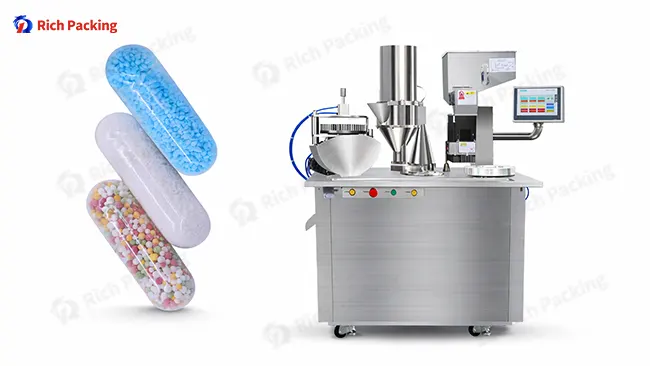
เครื่องบรรจุแคปซูลแบบกึ่งอัตโนมัติเป็นทางเลือกที่ชาญฉลาดเมื่อคุณต้องการการผลิตที่สม่ำเสมอสำหรับล็อตขนาดเล็กถึงขนาดกลาง แต่ยังคงต้องการความยืดหยุ่นสำหรับการเปลี่ยนการผลิตบ่อยครั้ง การตัดสินใจซื้อที่ดีที่สุดมาจากการเลือกเครื่องจักรให้เหมาะสมกับสภาพความเป็นจริงของผงยา จังหวะการทำงานของพนักงาน และขั้นตอนการบรรจุภัณฑ์ต่อไปของคุณ ไม่ใช่แค่การเลือกเครื่องจักรที่มีกำลังการผลิตสูงสุดตามที่ระบุในโบรชัวร์
หากคุณกำลังคัดเลือกในตอนนี้ ให้เน้นไปที่สามประเด็นสำคัญ ได้แก่ น้ำหนักบรรจุที่คงที่ตลอดเวลา การทำความสะอาด/การเปลี่ยนภาชนะที่ผู้ปฏิบัติงานใหม่สามารถทำซ้ำได้ และเอกสารประกอบที่สนับสนุนการควบคุมคุณภาพในปัจจุบันและการตรวจสอบในอนาคต เมื่อมีสิ่งเหล่านี้แล้ว ระบบกึ่งอัตโนมัติที่เหมาะสมจะสามารถขยายขนาดได้อย่างราบรื่น และเปิดเส้นทางการอัปเกรดไว้เมื่อปริมาณเพิ่มขึ้น
1) เหมาะสำหรับผู้ซื้อบ้านครั้งแรกหรือไม่?
ใช่ โดยเฉพาะอย่างยิ่งสำหรับล็อตขนาดเล็กถึงขนาดกลาง มันมักจะช่วยเพิ่มความสม่ำเสมอและปริมาณงานได้อย่างเห็นได้ชัด ในขณะที่ยังคงขั้นตอนการทำงานให้เข้าใจง่ายสำหรับทีมใหม่
2) ปัจจัยสำคัญที่สุดที่อยู่เบื้องหลังผลผลิต "ที่แท้จริง" คืออะไร?
โดยทั่วไปแล้ว การไหลของผงและจังหวะการทำงานของผู้ปฏิบัติงานมีความสำคัญมากกว่าตัวเลขบนแผ่นป้ายชื่อ การเตรียมผงที่เสถียรและขั้นตอนการทำงานที่สม่ำเสมอ มักให้ผลลัพธ์ที่ดีกว่าการไล่ตามการตั้งค่าความเร็ว
3) เครื่องจักรแบบกึ่งอัตโนมัติสามารถบรรจุเม็ดหรือผงได้หรือไม่?
โดยส่วนใหญ่แล้วจะใช้ชุดอุปกรณ์เฉพาะ แต่ขึ้นอยู่กับเครื่องมือและคุณสมบัติของวัสดุ ตรวจสอบว่าจำเป็นต้องใช้ชุดอุปกรณ์เฉพาะหรือไม่ และมีข้อจำกัดอะไรบ้างเกี่ยวกับขนาดอนุภาคและการแยกตัวของอนุภาค
4) ฉันจะเลือกขนาดแคปซูลสำหรับผลิตภัณฑ์ใหม่ได้อย่างไร?
เริ่มต้นจากปริมาณยาที่ต้องการและความหนาแน่นของผงยา จากนั้นตรวจสอบขนาดที่คุณอาจต้องการในขั้นตอนต่อไป จากมุมมองของอุปกรณ์ ให้ตรวจสอบให้แน่ใจว่ามีชิ้นส่วนอะไหล่ใดบ้างที่สามารถเปลี่ยนได้
5) ฉันควรขอเอกสารอะไรบ้าง?
อย่างน้อยที่สุดควรมีคู่มือการใช้งาน แผนผังการเดินสายไฟ ข้อมูลวัสดุของชิ้นส่วนที่สัมผัส และโครงร่างการทดสอบการยอมรับ เพื่อให้ได้มาตรฐานคุณภาพที่ดียิ่งขึ้น ให้ดูข้อกำหนดของ CGMP เกี่ยวกับความเหมาะสมของอุปกรณ์และเอกสารเกี่ยวกับการทำความสะอาดด้วย
6) ฉันจำเป็นต้องตรวจสอบความถูกต้องของการทำความสะอาดหรือไม่?
ข้อกำหนดต่างๆ ขึ้นอยู่กับผลิตภัณฑ์และตลาดของคุณ ตามระเบียบข้อบังคับ CGMP ของ FDA ขั้นตอนการทำความสะอาดจะต้องได้รับการบันทึกอย่างละเอียดและดำเนินการอย่างสม่ำเสมอตามวัตถุประสงค์ที่กำหนดไว้
7) ฉันควรเปลี่ยนไปใช้ระบบอัตโนมัติเต็มรูปแบบเมื่อไหร่?
เมื่อการผลิตมีระยะทางยาวและถี่ แรงงานจะเป็นอุปสรรคสำคัญ หรือคุณต้องการผลผลิตที่สูงขึ้นโดยมีการจัดการน้อยลงและป้อนวัสดุอย่างต่อเนื่องมากขึ้น
● องค์การอาหารและยา (FDA): คำถามและคำตอบเกี่ยวกับข้อกำหนดการปฏิบัติที่ดีในการผลิตในปัจจุบัน | อุปกรณ์ ( สำนักงานคณะกรรมการอาหารและยาแห่งสหรัฐอเมริกา )
● องค์การอาหารและยา (FDA): แนวทางปฏิบัติที่ดีในการผลิตสารออกฤทธิ์ทางเภสัชกรรม (ICH Q7) (Q7)

29+ years in pharmaceutical machinery, covering capsule filling, tablet pressing, blister packaging, tablet and capsule counting, cartoning, GMP production, and overseas machine service.

ส่งอีเมล : manager@richpacking.cn
Building D, No. 226, Beishan Qiaotou Street, Haizhu District, Guangzhou City, Guangdong Province, China


 รองรับเครือข่าย IPv6