






 บ้าน
บ้าน ผลิตภัณฑ์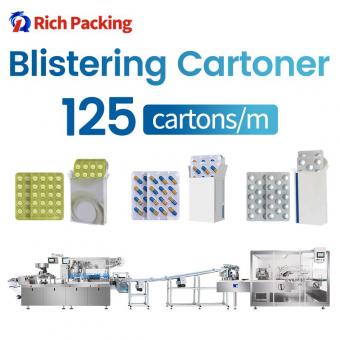
29+ years in pharmaceutical machinery, covering capsule filling, tablet pressing, blister packaging, tablet and capsule counting, cartoning, GMP production, and overseas machine service.

 、
、
ความร่วนของเม็ดยาหมายถึงความง่ายที่เม็ดยาอัดจะสูญเสียวัสดุเมื่อสัมผัสกับแรงกระแทกซ้ำและการเสียดสี เม็ดยาอาจดูอยู่ในสภาพยอมรับได้เมื่อออกจากเครื่องอัด แต่ยังสามารถเกิดการบิ่น หลุดเป็นผง หรือแตกหักระหว่างการเคลือบ การลำเลียง การนับเม็ด การป้อนเข้าแผงบลิสเตอร์ การบรรจุขวด หรือการขนส่ง หากความแข็งแรงเชิงกลของเม็ดยาต่ำ นั่นคือเหตุผลที่ความร่วนของเม็ดยาไม่ได้เป็นเพียงผลการทดสอบในห้องปฏิบัติการ แต่เป็นตัวชี้วัดเชิงปฏิบัติว่าเม็ดยาสามารถทนต่อขั้นตอนการผลิตและบรรจุภัณฑ์หลังการอัดได้หรือไม่
สำหรับผู้ผลิตยา คำถามที่มีประโยชน์ไม่ใช่เพียงว่า การทดสอบความร่วนผ่านหรือไม่ แต่คือเหตุใดผลลัพธ์จึงมีลักษณะเช่นนั้น และการกำหนดสูตร การทำแกรนูล การหล่อลื่น การอัดเม็ด การดีดเม็ดออก หรือการจัดการหลังการผลิตมีส่วนทำให้เกิดปัญหาหรือไม่ ดังนั้นความร่วนของเม็ดยาจึงอยู่ที่จุดบรรจบของวิทยาศาสตร์การกำหนดสูตร การอัดเม็ด การควบคุมคุณภาพ และประสิทธิภาพของบรรจุภัณฑ์
ความร่วนของเม็ดยามักแสดงเป็นเปอร์เซ็นต์ของมวลเม็ดยาที่สูญเสียไปหลังจากการทดสอบการกลิ้งตามเงื่อนไขที่กำหนด การสูญเสียมวลที่ต่ำกว่ามักบ่งชี้ถึงความต้านทานต่อการเสียดสีและแรงกระแทกซ้ำที่ดีกว่า ความร่วนของเม็ดยาที่สูงอาจปรากฏในกระบวนการผลิตเป็นขอบเม็ดบิ่น ผงหลุด ความเสียหายของพื้นผิว เม็ดยาแตก หรือเศษวัสดุที่เพิ่มขึ้นรอบจุดถ่ายโอนและอุปกรณ์บรรจุภัณฑ์
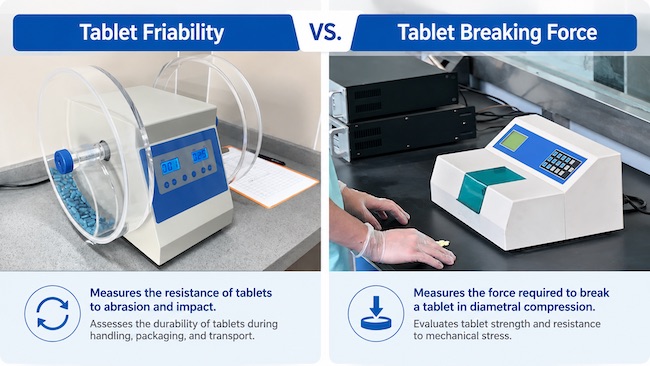
ความร่วนเกี่ยวข้องกับความแข็งแรงของเม็ดยา แต่ไม่ใช่สิ่งเดียวกับ ความแข็งของเม็ดยา ในศัพท์ทางเภสัชตำรับ คำว่าแรงแตกหักของเม็ดยา เป็นคำที่แม่นยำกว่าสำหรับแรงที่จำเป็นในการทำให้เม็ดยาแตกภายใต้แรงที่กระทำเพียงครั้งเดียว ในทางตรงกันข้าม ความร่วนจะประเมินการตอบสนองของเม็ดยาต่อแรงกระแทกระดับต่ำซ้ำ ๆ และการเสียดสี USP ถือว่าสิ่งเหล่านี้เป็นแง่มุมที่แตกต่างกันของความแข็งแรงเชิงกล และระบุว่าเม็ดยาต้องมีความสมบูรณ์เพียงพอที่จะทนต่อการผลิต การเคลือบ การบรรจุภัณฑ์ การขนส่ง และการจัดการ
|
คุณลักษณะด้านคุณภาพ |
ความร่วนของเม็ดยา |
แรงแตกหักของเม็ดยา / ความแข็ง |
|
คำถามหลัก |
เม็ดยาต้านทานการเสียดสีและแรงกระแทกซ้ำได้ดีเพียงใด? |
ต้องใช้แรงเท่าใดในการทำให้เม็ดยาแตกหัก? |
|
ผลลัพธ์ทั่วไป |
เปอร์เซ็นต์การสูญเสียมวล |
แรง ซึ่งมักรายงานเป็น N หรือ kp |
|
ประเภทของแรงเค้น |
การกลิ้งซ้ำ แรงกระแทก และการเสียดสี |
แรงที่กระทำเพียงครั้งเดียว |
|
ความเกี่ยวข้องกับการผลิต |
การเคลือบ การถ่ายโอน การนับเม็ด การทำแผงบลิสเตอร์ การบรรจุขวด การขนส่ง |
การพัฒนาการอัดเม็ด ความแข็งแรงในการจัดการ และการควบคุมกระบวนการ |
|
สามารถใช้แทนกันได้หรือไม่? |
ไม่ |
ไม่ |
ก เม็ดยาที่แข็งสามารถมีความร่วนสูงได้ หากโครงสร้างหรือพื้นผิวมีความเปราะ ในขณะที่เม็ดยาที่มีแรงแตกหักระดับปานกลางอาจให้ผลดีในการทดสอบความร่วนได้ ด้วยเหตุนี้ การเพิ่มแรงอัดจึงไม่ควรถูกมองว่าเป็นวิธีแก้ปัญหาความร่วนสูงโดยอัตโนมัติ
การทดสอบความร่วนให้ค่ามาตรฐานในการวัดความต้านทานต่อการสึกหรอเชิงกล USP มีความสอดคล้องกับข้อความที่เกี่ยวข้องใน European Pharmacopoeia และ Japanese Pharmacopoeia FDA และ EMA ยังเผยแพร่แนวทาง ICH Q4B Annex 9 เพื่อสนับสนุนการยอมรับขั้นตอนการทดสอบทางเภสัชตำรับที่มีความสอดคล้องกันเหล่านี้
ในวิธีการที่ใช้กันทั่วไป ตัวอย่างเม็ดยาที่กำจัดฝุ่นแล้วจะถูกชั่งน้ำหนัก ใส่ในถังหมุน กลิ้งที่ความเร็ว 25 rpm เป็นจำนวน 100 รอบ กำจัดฝุ่นอีกครั้ง และชั่งน้ำหนักใหม่ จากนั้นคำนวณความร่วนดังนี้:
ความร่วน (%) = (น้ำหนักเริ่มต้น − น้ำหนักสุดท้าย) / น้ำหนักเริ่มต้น × 100
การสูญเสียมวลไม่เกิน 1.0% มักถือว่าเป็นค่าที่ยอมรับได้สำหรับผลิตภัณฑ์ส่วนใหญ่ภายใต้บทมาตรฐานที่สอดคล้องกัน แต่ไม่ควรอธิบายว่าตัวเลขนี้เป็นข้อกำหนดสากลสำหรับเม็ดยาทุกชนิด การออกแบบผลิตภัณฑ์ ลักษณะของรูปแบบยา ข้อกำหนดที่ขึ้นทะเบียน เอกสารมาตรฐานที่เกี่ยวข้อง และขั้นตอนของบริษัท ยังคงมีความสำคัญ
นอกจากนี้ ไม่ควรอ่านผลการทดสอบนี้แยกออกจากข้อมูลอื่น ผลลัพธ์ที่ใกล้กับขีดจำกัดของบริษัทอาจมีประโยชน์มากขึ้นเมื่อพิจารณาร่วมกับแรงแตกหัก ความหนา ความแปรปรวนของน้ำหนัก ประสิทธิภาพการแตกตัวหรือการละลาย แนวโน้มของกระบวนการ และการตรวจสอบด้วยสายตา
จุดประสงค์ไม่ใช่การไล่ตามค่าความร่วนที่ต่ำที่สุดเท่าที่เป็นไปได้ แต่คือการทำให้มีความทนทานเชิงกลเพียงพอโดยไม่สร้างปัญหาใหม่ต่อประสิทธิภาพของผลิตภัณฑ์
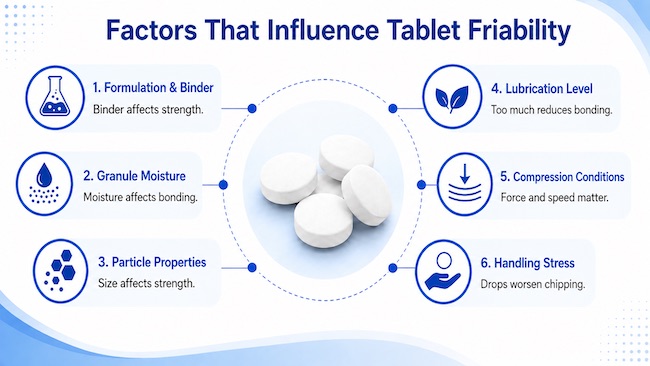
ความร่วนสูงของเม็ดยาแทบไม่เกิดจากตัวแปรเพียงอย่างเดียว ผลลัพธ์สุดท้ายสะท้อนพฤติกรรมของสูตรตำรับระหว่างการทำแกรนูล การหล่อลื่น การเติมแม่พิมพ์ การอัดเม็ด การคลายแรงอัด การดีดเม็ดออก และการจัดการในภายหลัง
หากการยึดเกาะระหว่างอนุภาคไม่เพียงพอ เม็ดยาอาจก่อตัวขึ้นได้แต่ยังขาดความแข็งแรงในการยึดเหนี่ยวที่เพียงพอเพื่อต้านทานแรงกระแทกซ้ำ ๆ การเพิ่มปริมาณสารยึดเกาะเพียงอย่างเดียวไม่ใช่คำตอบที่ถูกต้องเสมอไป เนื่องจากการเลือกสารยึดเกาะและระดับการใช้ยังส่งผลต่อการแตกตัว การละลาย พฤติกรรมการทำแกรนูล และกระบวนการผลิต
ปริมาณความชื้น การกระจายขนาดอนุภาค ความพรุน และโครงสร้างของแกรนูล มีอิทธิพลต่อวิธีที่อนุภาคจัดเรียงตัวใหม่และยึดเกาะกันระหว่างการอัดขึ้นรูป
งานวิจัยที่ศึกษาความชื้นในการทำแกรนูลและความแข็งแรงต่อการบดแตกของเม็ดยาพบว่า ทั้งสองปัจจัยสามารถมีปฏิสัมพันธ์กันต่อผลกระทบด้านความกร่อนและการละลาย แทนที่จะเป็นตัวแปรที่แยกจากกันโดยสมบูรณ์
สารหล่อลื่นมีความจำเป็นในการควบคุมแรงเสียดทานระหว่างผนังแม่พิมพ์และการดันเม็ดยาออก แต่ระดับสารหล่อลื่นที่มากเกินไปหรือการผสมที่มากเกินไปอาจลดการยึดเกาะระหว่างอนุภาคในสูตรตำรับบางชนิด
การศึกษาระดับการผลิตเชิงพาณิชย์ที่เผยแพร่ในปี 2024 ระบุว่าแรงอัดและสัดส่วนของแมกนีเซียมสเตียเรตเป็นตัวแปรสำคัญในการทำนายความกร่อนและแรงแตกหักของเม็ดยาสำหรับสูตรตำรับที่ศึกษา อย่างไรก็ตาม สิ่งนี้ไม่ได้หมายความว่าเป็นสาเหตุหลักที่ใช้ได้กับทุกกรณี แต่แสดงให้เห็นว่าเหตุใดการหล่อลื่นและการอัดจึงควรได้รับการประเมินร่วมกัน
แรงอัดหลักมีความสำคัญ แต่การอัดล่วงหน้า เวลาคงแรง ความเร็วของจานหมุน สภาวะของตัวป้อน และพฤติกรรมการเปลี่ยนรูปของวัสดุก็มีความสำคัญเช่นกัน
การศึกษาการอัดเม็ดพบว่า การเพิ่มความเร็วของจานหมุนและตัวป้อนแรงในสูตรตำรับที่ทดสอบทำให้ความแข็งแรงเชิงแรงดึงและความสามารถในการอัดเป็นเม็ดลดลง โดยมีเวลาคงแรงและแรงเฉือนของผงเป็นหนึ่งในกลไกที่เกี่ยวข้อง
ขนาด ความหนา รูปร่าง รูปทรงขอบ และความพรุนของเม็ดยาอัด มีอิทธิพลต่อการกระจายตัวของความเค้นระหว่างการดันออกและการจัดการภายหลัง ดังนั้น สูตรตำรับสองชนิดที่อัดด้วยแรงตามค่าที่กำหนดเท่ากันอาจแสดงความกร่อนของเม็ดยาที่แตกต่างกันอย่างมาก
เม็ดยาที่มีความแข็งแรงทางกลต่ำอาจออกจากแม่พิมพ์ได้โดยไม่เสียหาย แต่เกิดความเสียหายที่มองเห็นได้หลังจากตกซ้ำ ๆ การเปลี่ยนทิศทางลำเลียงอย่างฉับพลัน หรือการสัมผัสกับตัวนำทางและเม็ดยาอื่น ๆ
ในกรณีนี้ การเปลี่ยนเครื่องอัดเม็ดเพียงอย่างเดียวไม่สามารถแก้ไขปัญหาได้ทั้งหมด
การอัดเม็ดเป็นขั้นตอนที่ผงที่ไหลตัวได้ดีหรือแกรนูลถูกเปลี่ยนให้เป็นเม็ดยาอัดที่แข็งแรงเพียงพอที่จะผ่านขั้นตอนที่เหลือของการผลิต ด้วยเหตุนี้ เครื่องอัดเม็ดจึงมีความสัมพันธ์โดยตรงกับความกร่อนของเม็ดยา แต่ไม่ได้เป็นตัวควบคุมความกร่อนเพียงปัจจัยเดียว
การเพิ่มแรงอัดมักทำให้แรงแตกหักของเม็ดยาเพิ่มขึ้นและสามารถลดความกร่อนได้ในบางช่วงการทำงานของสูตรตำรับ อย่างไรก็ตาม งานวิจัยยังแสดงให้เห็นว่าความสัมพันธ์นี้ไม่ได้เป็นเส้นตรงเสมอไป
งานวิจัยที่ตีพิมพ์ฉบับหนึ่งพบว่าค่าความเปราะร่วนต่ำสุดเกิดขึ้นที่แรงอัดระดับปานกลาง แทนที่จะดีขึ้นอย่างต่อเนื่องเมื่อเพิ่มแรงอัด
การอัดที่มากเกินไปยังสามารถเปลี่ยนแปลงความพรุน การแตกตัว พฤติกรรมการละลาย การคืนตัวแบบยืดหยุ่น หรือแนวโน้มการเกิดฝาบิ่น ทั้งนี้ขึ้นอยู่กับสูตรตำรับ ดังนั้นความสม่ำเสมอของกระบวนการจึงมีความสำคัญมากกว่าการมุ่งกำหนดค่าแรงอัดให้สูงเพียงอย่างเดียว
ระหว่างการขยายขนาดการผลิตและการผลิตตามปกติ ผู้ผลิตมักประเมินปัจจัยต่าง ๆ เช่น:
เครื่องอัดเม็ดยาทางเภสัชกรรมเครื่องอัดเม็ดยาทางเภสัชกรรมช่วยรักษาสภาวะการทำงานเหล่านี้ให้สามารถทำซ้ำได้อย่างสม่ำเสมอ ไม่สามารถชดเชยสูตรตำรับที่มีความสามารถในการอัดขึ้นรูปต่ำ ความชื้นที่ไม่เหมาะสม หรือการหล่อลื่นที่ไม่ถูกต้องได้ แต่สภาวะการอัดที่เสถียรช่วยให้ระบุได้ง่ายขึ้นว่าการเปลี่ยนแปลงของความเปราะร่วนของเม็ดยาเกิดจากวัสดุเป็นหลักหรือเกิดจากกระบวนการ
นี่เป็นจุดที่ข้อมูลจากอุปกรณ์มีประโยชน์ การตรวจติดตามแรงอัด ฟังก์ชันการคัดทิ้ง บันทึกการผลิต และการตั้งค่ากระบวนการที่ทำซ้ำได้ สามารถช่วยให้ทีมผลิตเชื่อมโยงความผิดปกติของค่าความเปราะร่วนกับสิ่งที่เกิดขึ้นจริงบนเครื่องอัด แทนที่จะพึ่งพาเพียงการทดสอบเมื่อสิ้นสุดล็อตการผลิต
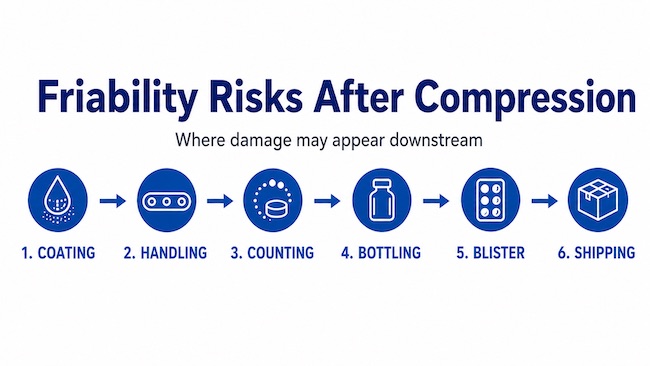
การผ่านขั้นตอนการอัดไม่ได้หมายความว่าความเค้นทางกลที่กระทำต่อเม็ดยาจะสิ้นสุดลง กระบวนการผลิตต่าง ๆ รวมถึงการเคลือบและการบรรจุ สามารถสร้างความเค้นอย่างมากต่อเม็ดยาได้
นี่คือเหตุผลที่ความสำคัญในทางปฏิบัติของความเปราะร่วนของเม็ดยาจะเห็นได้ชัดเจนยิ่งขึ้นในขั้นตอนถัดไปของกระบวนการผลิต
ระหว่างการเคลือบเม็ดยา เม็ดยาจะเคลื่อนที่ซ้ำ ๆ ภายในเครื่องเคลือบและสัมผัสกับเม็ดยาอื่น ๆ ขณะเดียวกันต้องเผชิญกับการไหลของอากาศและละอองสเปรย์เคลือบ
แกนยาเม็ดที่มีความทนทานทางกลต่ำอาจทำให้เกิดวัสดุหลุดร่อนมากขึ้นหรือเกิดความเสียหายที่ขอบก่อนการเคลือบจะเสร็จสมบูรณ์ ในขณะเดียวกัน ไม่ควรกล่าวโทษพารามิเตอร์การเคลือบโดยอัตโนมัติเมื่อแกนยาเม็ดมีความแข็งแรงทางกลไม่เพียงพอตั้งแต่ก่อนเข้าสู่กระบวนการ
ความสูงของการตก การเปลี่ยนแปลงความเร็ว รูปทรงของตัวนำทาง การสั่นสะเทือน การสะสม และการสัมผัสระหว่างยาเม็ดซ้ำ ๆ สามารถเผยให้เห็นจุดอ่อนที่ไม่ชัดเจนทันทีหลังการอัดขึ้นรูป
ดังนั้น การออกแบบสายการผลิตที่ดีจึงมุ่งหลีกเลี่ยงแรงกระแทกทางกลที่ไม่จำเป็น ขณะเดียวกันยังคงรักษาการไหลของผลิตภัณฑ์ให้มีความเสถียร
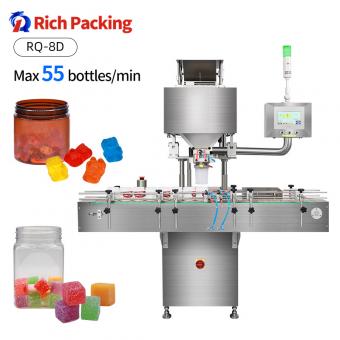
ระหว่างการนับความเร็วสูงและการบรรจุขวด ยาเม็ดจะผ่านขั้นตอนการป้อน การแยก การตรวจจับ การถ่ายโอน และการบรรจุ
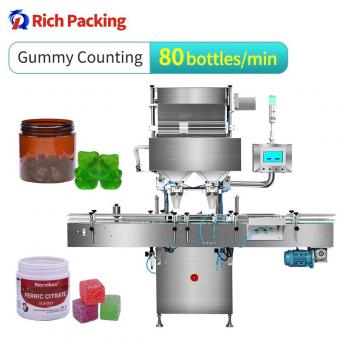
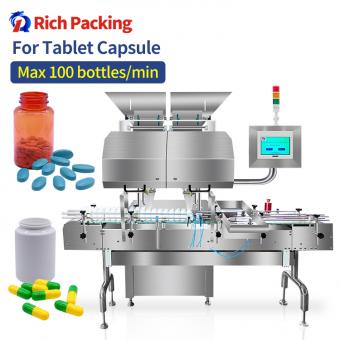
ผงหลวมที่มากเกินไปหรือเศษชิ้นส่วนสามารถทำให้เกิดข้อกำหนดในการทำความสะอาดเพิ่มเติมและทำให้การจัดการผลิตภัณฑ์มีเสถียรภาพน้อยลง ดังนั้น สายการนับและบรรจุยาเม็ดและแคปซูลที่เหมาะสมควรให้การไหลของผลิตภัณฑ์ที่ควบคุมได้ และหลีกเลี่ยงการตกหล่นหรือการเปลี่ยนผ่านอย่างฉับพลันที่ไม่จำเป็น
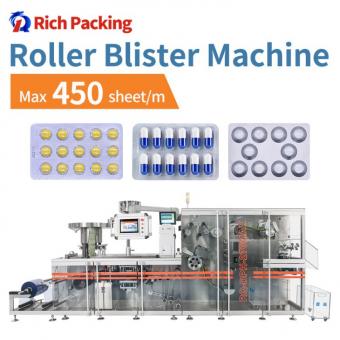
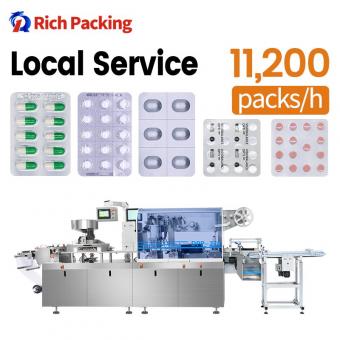
ระหว่างการบรรจุแบบแผงพิมพ์นูน ยาเม็ดต้องถูกป้อน ถ่ายโอนไปยังช่องที่ขึ้นรูปไว้ ปิดผนึก ตัด และปล่อยออกโดยไม่เกิดความเสียหายทางกายภาพที่ไม่จำเป็น
ยาเม็ดที่เปราะอาจเข้าสู่เครื่องบรรจุแบบแผงพิมพ์นูนโดยมีความอ่อนแอทางกลอยู่แล้ว การปรับการบรรจุไม่สามารถแก้ไขปัญหาความแข็งแรงของยาเม็ดที่มีต้นกำเนิดจากสูตรตำรับหรือการอัดเม็ดได้
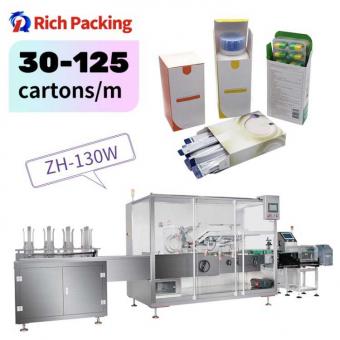
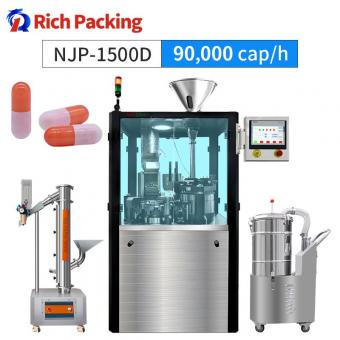
Rich Packing ผลิตเครื่องอัดยาเม็ดร่วมกับเครื่องจักรบรรจุภัณฑ์ทางเภสัชกรรมปลายสายการผลิต รวมถึงเครื่องเคลือบยาเม็ดสายการนับและบรรจุยาเม็ดและแคปซูลและเครื่องบรรจุแบบแผงพิมพ์นูน
จากมุมมองด้านอุปกรณ์ เป้าหมายไม่ใช่การกล่าวอ้างว่าเครื่องจักรหนึ่งเครื่อง “แก้ปัญหาความเปราะของยาเม็ด” ได้ แต่การอัดเม็ดและการจัดการหลังการผลิตควรมีความเสถียรเพียงพอ เพื่อไม่ให้ความเค้นทางกลที่หลีกเลี่ยงได้เพิ่มความอ่อนแอที่เกี่ยวข้องกับสูตรตำรับหรือกระบวนการ
มุมมองแบบห่วงโซ่การผลิตนี้มีประโยชน์มากกว่าการมองความเปราะของยาเม็ดเป็นเพียงค่าทางห้องปฏิบัติการ หากความเสียหายเริ่มเห็นได้ชัดระหว่างการเคลือบหรือการบรรจุ การตรวจสอบยังควรย้อนกลับผ่านสูตรตำรับ การทำแกรนูล การอัดเม็ด การดันยาเม็ดออก และสภาวะการถ่ายโอน ก่อนจะระบุปัญหาให้กับเครื่องจักรขั้นสุดท้าย
การตรวจสอบความเปราะของยาเม็ดในทางปฏิบัติจะได้ผลดีที่สุดเมื่อดำเนินตามลำดับการผลิต แทนที่จะเปลี่ยนตัวแปรหลายอย่างพร้อมกัน
ตรวจสอบการจัดการตัวอย่าง การกำจัดฝุ่น การชั่งน้ำหนัก สภาพของเครื่องมือ การตั้งค่าการหมุน และข้อกำหนดเฉพาะของผลิตภัณฑ์ที่เกี่ยวข้อง
ผลการทดสอบซ้ำสามารถช่วยยืนยันได้ว่าค่าที่ผิดปกติเป็นแนวโน้มการผลิตที่แท้จริงหรือไม่ ก่อนที่จะเปลี่ยนการตั้งค่ากระบวนการ
ทบทวนระบบสารยึดเกาะ ระดับสารหล่อลื่นและเวลาการผสม ความชื้น การกระจายขนาดอนุภาค คุณสมบัติของแกรนูล และคุณลักษณะของวัสดุอื่น ๆ ที่มีผลต่อความสามารถในการอัดตัว
เป้าหมายคือการพิจารณาว่ายาเม็ดที่เข้าสู่การอัดเม็ดมีคุณสมบัติทางกายภาพที่จำเป็นต่อการสร้างก้อนอัดที่มีความเสถียรทางกลหรือไม่
ผลความเปราะของยาเม็ดที่สูงมีความหมายแตกต่างกันเมื่อแรงแตกหักต่ำเช่นกัน เมื่อเทียบกับกรณีที่แรงแตกหักยังคงสูง
ความหนา น้ำหนักยาเม็ด การแตกตัว การละลาย และข้อมูลคุณภาพอื่น ๆ ที่เกี่ยวข้องสามารถช่วยแยกความแตกต่างระหว่างการอัดแน่นที่อ่อนแอกับความเปราะหรือกลไกอื่น ๆ ได้
ตรวจสอบว่าแรงอัด การอัดล่วงหน้า ความเร็วจานหมุน การตั้งค่าตัวป้อน สภาวะการเติม หรือพฤติกรรมการดันยาเม็ดออกเปลี่ยนแปลงหรือไม่เมื่อแนวโน้มความเปราะปรากฏขึ้น
หลีกเลี่ยงการเพิ่มแรงอัดโดยอัตโนมัติโดยไม่พิจารณากระบวนการทั้งหมด
สังเกตจุดถ่ายโอนตั้งแต่การปล่อยยาเม็ดออกจากเครื่อง ผ่านการเคลือบ และไปจนถึงการบรรจุขั้นสุดท้าย
มองหาความสูงของการตกที่มากเกินไป การเลี้ยวที่ฉับพลัน การสะสมที่ไม่เสถียร การสั่นสะเทือนที่ไม่จำเป็น หรือการชนซ้ำ ๆ ที่สามารถเปลี่ยนยาเม็ดที่มีความทนทานเพียงเล็กน้อยให้กลายเป็นยาเม็ดที่เสียหายอย่างเห็นได้ชัด
การเปลี่ยนแปลงที่ควบคุมได้ช่วยให้ระบุสาเหตุได้ง่ายขึ้น
การเปลี่ยนสูตรตำรับ แรงอัด ความเร็วจานหมุน และการตั้งค่าการบรรจุพร้อมกัน อาจทำให้ผลลัพธ์ดีขึ้น แต่ทำให้ยากต่อการระบุว่าตัวแปรใดเป็นปัจจัยที่แก้ปัญหาได้จริง
การสูญเสียมวลสูงสุด 1.0% มักใช้กับผลิตภัณฑ์ส่วนใหญ่ภายใต้แนวทาง USP ที่สอดคล้องกัน แต่ผู้ผลิตควรปฏิบัติตามข้อกำหนดเฉพาะและกรอบข้อบังคับที่ใช้กับผลิตภัณฑ์แต่ละรายการ
ไม่ การทดสอบความร่วนวัดความต้านทานต่อการขัดถูและแรงกระแทกซ้ำ ๆ ในขณะที่แรงแตกหักของเม็ดยาวัดแรงที่ต้องใช้เพื่อทำให้เม็ดยาแตกภายใต้แรงกดที่กำหนด
ได้ แรงแตกหักและความร่วนวัดพฤติกรรมทางกลที่แตกต่างกัน ดังนั้นเม็ดยาที่มีแรงแตกหักค่อนข้างสูงก็ยังอาจสูญเสียวัสดุระหว่างการกระแทกหรือการขัดถูซ้ำ ๆ ได้
ไม่ แรงที่สูงขึ้นมักช่วยเพิ่มความแข็งแรงทางกลภายในช่วงการทำงานที่เหมาะสม แต่สูตรตำรับ เวลาคงแรงหล่อลื่น ความพรุน การคืนตัวแบบยืดหยุ่น และปัจจัยอื่น ๆ มีผลต่อผลลัพธ์สุดท้าย
อุปกรณ์บรรจุภัณฑ์ไม่ได้เปลี่ยนค่าความร่วนโดยธรรมชาติที่วัดได้ในห้องปฏิบัติการ แต่การกระแทกซ้ำ ๆ หรือการถ่ายโอนผลิตภัณฑ์ที่รุนแรงอาจเผยให้เห็นความทนทานของเม็ดยาที่ไม่เพียงพอ และเพิ่มความเสียหายที่มองเห็นได้ระหว่างกระบวนการผลิตขั้นปลาย
เนื่องจากความทนทานของเม็ดยาส่งผลต่อสิ่งที่เกิดขึ้นหลังการอัดเม็ด เครื่องอัดเม็ดจะสร้างเม็ดยาอัดแน่นภายใต้สภาวะกระบวนการที่ควบคุมได้ ในขณะที่อุปกรณ์เคลือบ ลำเลียง นับจำนวน บรรจุขวด และบรรจุแผงต้องจัดการกับเม็ดยานั้นโดยไม่เพิ่มความเค้นทางกลที่ไม่จำเป็น
ดังนั้น ควรพิจารณาความร่วนของเม็ดยาเป็นตัวชี้วัดคุณภาพของห่วงโซ่การผลิต แทนที่จะเป็นเพียงค่าการควบคุมคุณภาพ (QC) ที่แยกออกมา
เม็ดยาที่ทำงานได้ดีตั้งแต่การอัดเม็ดจนถึงการบรรจุขั้นสุดท้ายขึ้นอยู่กับการทำงานร่วมกันของสูตรตำรับ การทำแกรนูล การหล่อลื่น การอัด การดีดออก และการจัดการในกระบวนการขั้นปลาย เมื่อผู้ผลิตประเมินปัจจัยเหล่านั้นเป็นกระบวนการเดียวที่เชื่อมโยงกัน พวกเขาสามารถลดการแตกหักและผงหลุดร่วงได้โดยไม่ต้องพึ่งพาพารามิเตอร์หรือเครื่องจักรเพียงตัวเดียวเพื่อแก้ปัญหา
1.เภสัชตำรับแห่งสหรัฐอเมริกา บททั่วไป ความร่วนของเม็ดยา
2.เภสัชตำรับแห่งสหรัฐอเมริกา บททั่วไป แรงแตกหักของเม็ดยา
3.สำนักงานคณะกรรมการอาหารและยาสหรัฐอเมริกา ภาคผนวก Q4B 9: บททั่วไปเกี่ยวกับความร่วนของเม็ดยา

29+ years in pharmaceutical machinery, covering capsule filling, tablet pressing, blister packaging, tablet and capsule counting, cartoning, GMP production, and overseas machine service.

ส่งอีเมล : manager@richpacking.cn
Building D, No. 226, Beishan Qiaotou Street, Haizhu District, Guangzhou City, Guangdong Province, China


 รองรับเครือข่าย IPv6