May 22, 2025
CPHI เซี่ยงไฮ้ N1D50 นับถอยหลัง 33 วัน
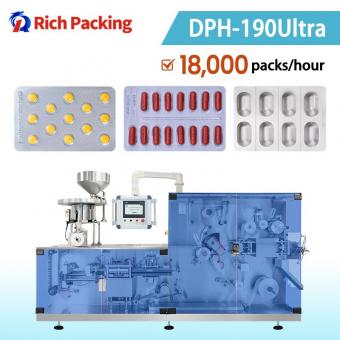
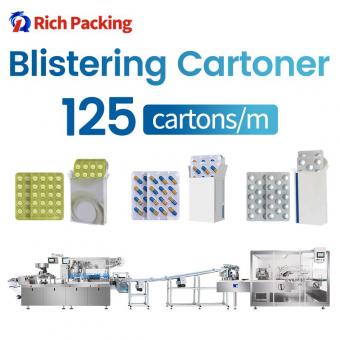
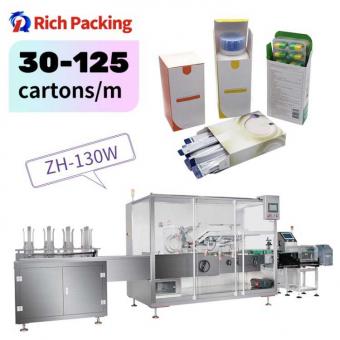
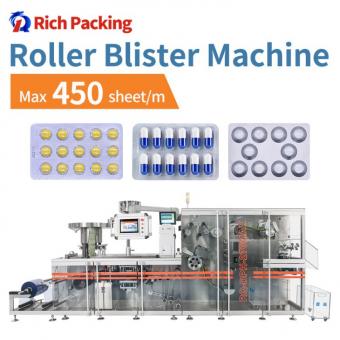
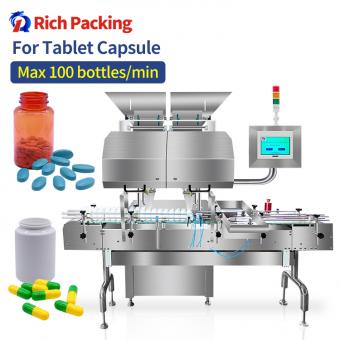
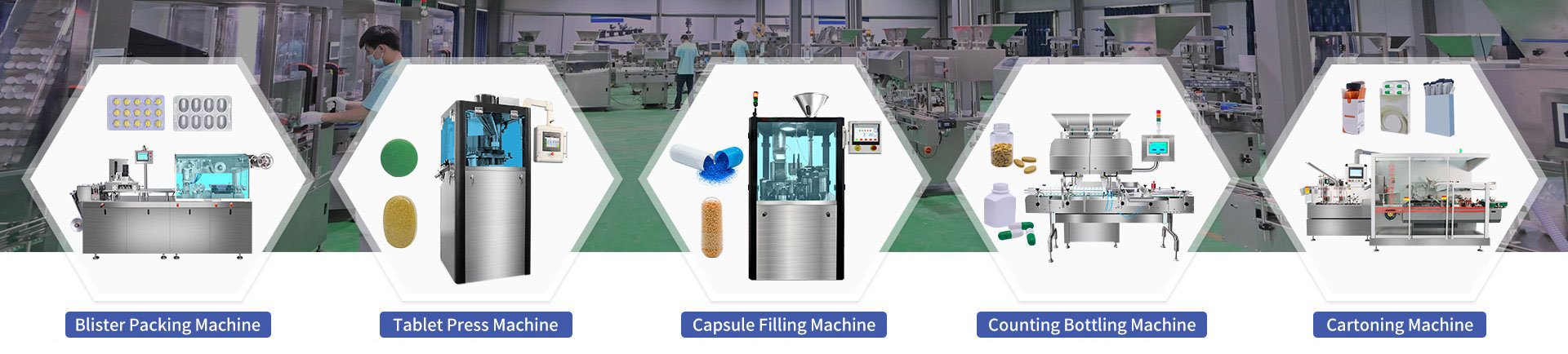
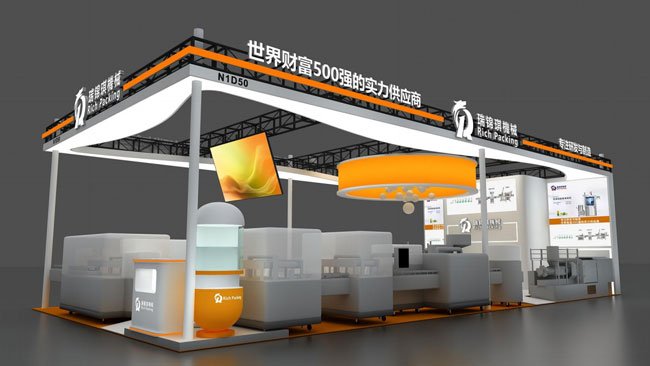
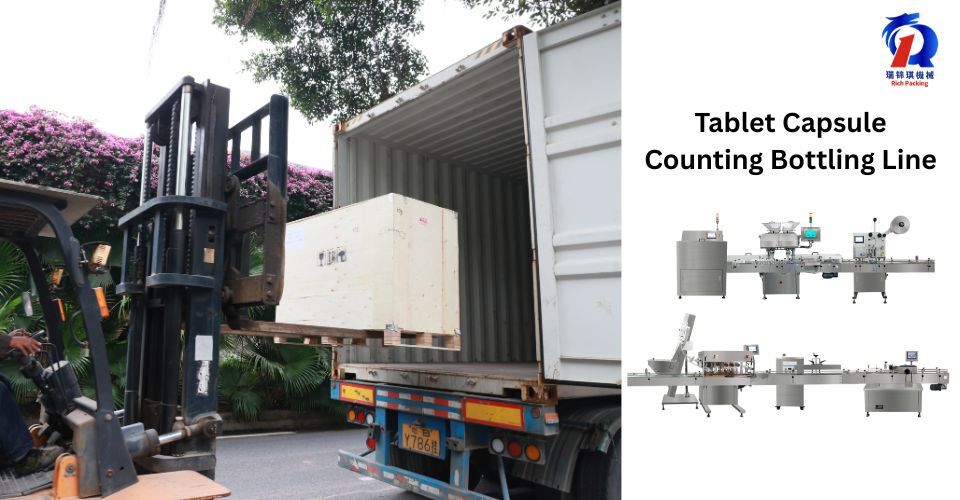
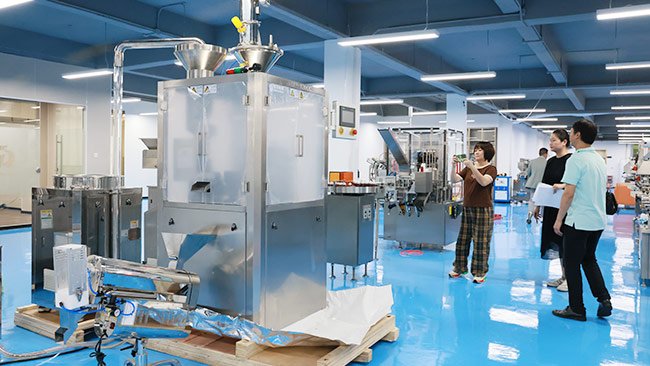
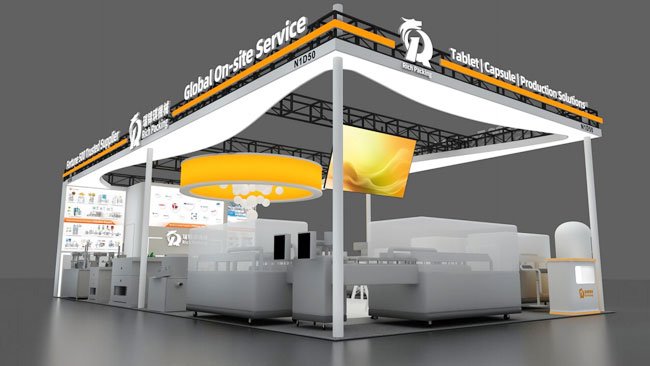
งาน CPHI Shanghai 2025 เป็นหนึ่งในนิทรรศการที่ทรงอิทธิพลที่สุดในอุตสาหกรรมยาโลก ดึงดูดผู้เข้าร่วมงานจำนวนมากจากบริษัทยา ผู้ผลิตอุปกรณ์ สถาบันวิจัยและพัฒนา และอื่นๆ ทั่วโลก งานนี้จะจัดขึ้นระหว่างวันที่ 24-26 มิถุนายน ณ ศูนย์นิทรรศการนานาชาติเซี่ยงไฮ้แห่งใหม่ เครื่องจักรที่จัดแสดง ในฐานะผู้ผลิตชั้นนำในประเทศจีน เครื่องจักรเภสัชกรรมและบรรจุภัณฑ์ อุตสาหกรรม Rich Packing จะจัดแสดงผลิตภัณฑ์ของตนที่ บูธ N1D50 ซึ่งรวมถึงสายการผลิตกล่องบรรจุซองแบบแท่ง, เครื่องอัดเม็ดยาความเร็วสูงอัจฉริยะ, เครื่องบรรจุแผงยา, สายการนับและบรรจุขวดยาแคปซูลด้วยสายตา และเครื่องบรรจุแคปซูล NJP อัตโนมัติ การสาธิตสดจะเน้นย้ำถึงข้อดีและคุณสมบัติของผลิตภัณฑ์เหล่านี้ สายการผลิตเครื่องบรรจุกล่องแบบซอง การ สายการผลิตกล่องบรรจุซอง เป็นผลิตภัณฑ์เรือธงของ Rich Packing ที่เชื่อมต่อเครื่องคัดแยกซองอัตโนมัติและเครื่องบรรจุกล่องแนวนอนเข้าด้วยกันได้อย่างราบรื่น เครื่องนี้สามารถจัดเรียงบรรจุภัณฑ์ซองที่กระจัดกระจายและบรรจุกล่องด้วยความเร็วสูง ด้วยความเร็วในการผลิตมากกว่า 300 แพ็คต่อนาที ตอบโจทย์ความต้องการด้านความเร็วในการบรรจุของบริษัทยาขนาดใหญ่ การควบคุมที่แม่นยำ: ติดตั้งระบบควบคุมมอเตอร์เซอร์โวขั้นสูงเพื่อรับรองความแม่นยำในกระบวนการบรรจุภัณฑ์ โดยไม่มีข้อผิดพลาดในการนับจำนวนแพ็คแบบแท่ง ความเข้ากันได้สูง: สามารถปรับให้เข้ากับข้อกำหนดต่างๆ ของบรรจุภัณฑ์ซองแบบโดสเดียวสำหรับผง เม็ด หรือของเหลว การปรับเปลี่ยนอย่างรวดเร็วช่วยให้ปรับเปลี่ยนได้อย่างรวดเร็วเพื่อตอบสนองความต้องการด้านบรรจุภัณฑ์ยาที่หลากหลาย แท่นกดแท็บเล็ตความเร็วสูงอัจฉริยะ ซีรีส์ RQ-HZP แท่นอัดยาเม็ดแบบหมุน เป็นเครื่องจักรระดับไฮเอนด์ที่พัฒนาโดย Rich Packing เพื่อตอบสนองความต้องการของอุตสาหกรรมยาสำหรับการผลิตที่มีประสิทธิภาพสูงและคุณภาพสูง การบีบอัดเม็ดยาความเร็วสูง: สามารถผลิตเม็ดยาได้มากกว่า 200,000 เม็ดต่อชั่วโมง ซึ่งมีประสิทธิภาพเพิ่มขึ้น 43% เมื่อเปรียบเทียบกับเครื่องอัดเม็ดยาแบบดั้งเดิม การกดที่แม่นยำ: ใช้การควบคุมแรงดันขั้นสูงและระบบป้อนมอเตอร์เซอร์โวเพื่อรับรองความแม่นยำของน้ำหนักแท็บเล็ต โดยมีความเบี่ยงเบนภายใน ±0.2 กรัมต่อแท็บเล็ต การผลิตอัจฉริยะ: มีระบบควบคุมอัจฉริยะสำหรับการป้อนอัตโนมัติ การปรับแรงดัน และการตรวจจับหรือการปฏิเสธเม็ดยาที่มีข้อบกพร่อง ช่วยเพิ่มเสถียรภาพให้กับสายการผลิตยาที่เป็นของแข็ง สายการบรรจุแคปซูลแท็บเล็ตแบบ CCD Vision การตรวจจับกล้องแบบใหม่ สายการนับและการบรรจุ เป็นโซลูชันแบบบูรณาการที่พัฒนาขึ้นเพื่อตอบสนองความต้องการของบริษัทเภสัชกรรมในการบรรจุแคปซูลและยาเม็ดอย่างมีประสิทธิภาพและสม่ำเสมอ การนับความเร็วสูง: ความเร็วในการบรรจุขวดเกิน 100 ขวดต่อนาที ช่วยให้นับและบรรจุแคปซูลและเม็ดยาได้อย่างรวดเร็วและแม่นยำ การบรรจุที่แม่นยำ: ใช้เทคโนโลยีการตรวจสอบด้วยภาพขั้นสูง ซึ่งแตกต่างจากวิธีการนับแบบอิเล็กทรอนิกส์ทั่วไป ไม่เพียงแต่ตรวจจับความคลาดเคลื่อนของปริมาณเท่านั้น แต่ยังระบุและคัดแยกสินค้าที่มีตำหนิ เช่น ข้อบกพร่องของวัสดุหรือสีที่คลาดเคลื่อนได้อีกด้วย โซลูชันที่ปรับแต่งได้ Rich Packing จะนำเสนอโซลูชันเฉพาะบุคคลโดยอิงตามความคิดเห็นและความต้องการของลูกค้าตลอดงานนิทรรศการ โซลูชันเหล่านี้ประกอบด้วยการกำหนดค่าผลิตภัณฑ์โดยละเอียด พารามิเตอร์ทางเทคนิค การประกันคุณภาพ การสนับสนุนทางเทคนิค และบริการเฉพาะพื้นที่ เพื่อให้มั่นใจว่า "คุ้มค่าคุ้มราคา คุณภาพคุ้มราคา และบริการคุ้มค่า" เป้าหมายการขยายตลาด เป้าหมายหลักของ Rich P...
ดูเพิ่มเติม





 รองรับเครือข่าย IPv6






 บ้าน
บ้าน ผลิตภัณฑ์